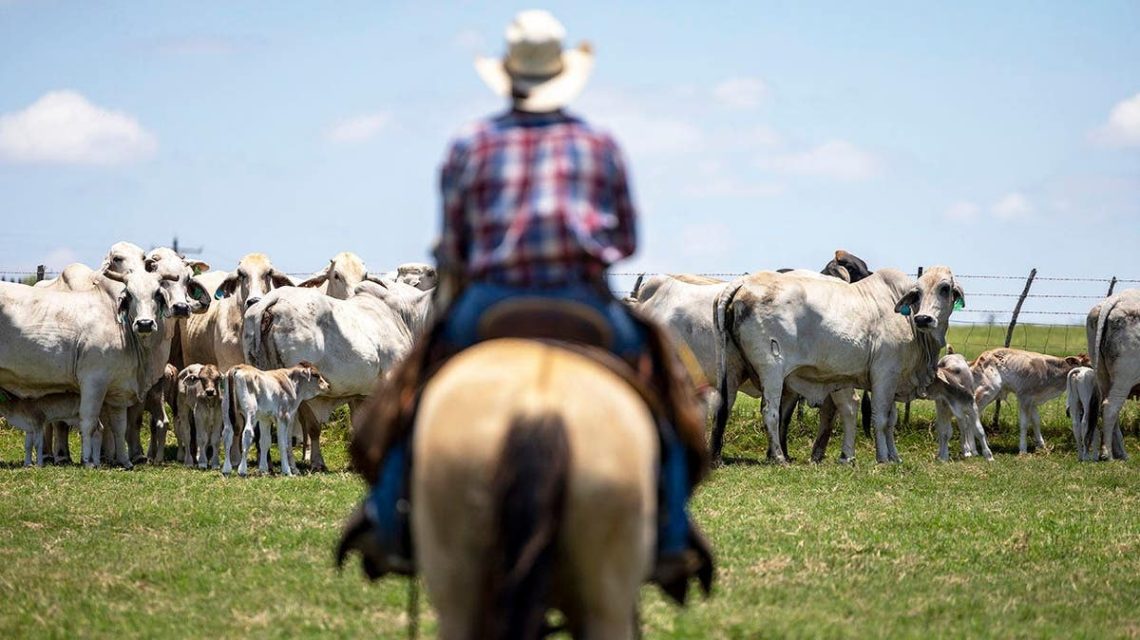
Republicans are expressing concern over President Donald Trump’s decision to introduce foreign ground beef into U.S. supermarkets. This move affects voters in beef-heavy states such as South Dakota, Nebraska, and Kansas. These states offered strong support for Trump in his previous election bid. Lawmakers from these areas argue that lifting tariffs on substantial foreign beef quantities challenges those who initially backed him.
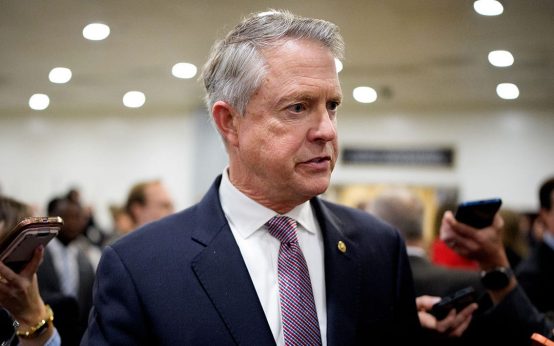
Senator Mike Rounds from South Dakota, seeking re-election, emphasizes the disappointment among his constituents. “They feel like they’ve been let down,” Rounds remarked, highlighting deep-rooted connections with the President, “like a member of the family,” only to experience a sense of betrayal by this policy.
The decision aims to introduce 300,000 metric tons of ground beef at prices 25% below the market for 90 days. The administration believes this will reduce consumer costs and aid ranchers in expanding livestock, according to USDA data. Senate Majority Leader John Thune from South Dakota acknowledges the intentions but believes the approach is flawed. “We’re trying to build our herds back up,” he commented.
Many Republicans are searching for answers amid rising living costs. The sentiment among farmers and ranchers, key Trump supporters, is that this decision contradicts their best interests. A significant voice among them said, “This administration is fighting for you,” yet many still demand explanations.
U.S. Trade Representative Jamieson Greer has addressed the growing criticism, suggesting the import strategy is temporary, aiming to ease market prices. Nonetheless, numerous GOP members remain concerned about the plan’s implications.
Concerns arise due to its timing with cattle market seasons, potentially destabilizing farmer investments, as expressed by Rep. Troy Downing from Montana. The strategy’s overlap with market season raises questions about future investments and operating costs.
Rep. Zach Nunn from Iowa, facing Democratic challenges, stressed the importance of supporting domestic cattle production. “We’ve got to make sure that we’ve got a Made-in-America-first beef program,” Nunn emphasized.
A meeting with U.S. Department of Agriculture Secretary Brooke Rollins acknowledged the anger among ranchers, whom she admitted felt “a gut punch.” The administration maintains Trump’s commitment to supporting farming through trade agreements, reduced taxes, and foreign access expansion.
In a call for adjustments, several Republican politicians led by Sen. Roger Marshall urged easing federal rules to increase grazing opportunities. Their letter to Trump officials seeks collaboration for expanding cattle grazing and improving processing capacity.
 Ken Paxton’s Campaign Funding and Polls
  Inside the Secret Deals Powering the President’s Push to Deport Migrants to Countries Not Their Own
  Independence of Research from Political Agendas
  Sen. Roger Marshall Denies Allegations of Political Attack
  Concerns About Food Safety Reach Critical Levels
  Court Blocks Trump’s Mail-Ballot Rules Ahead of Elections