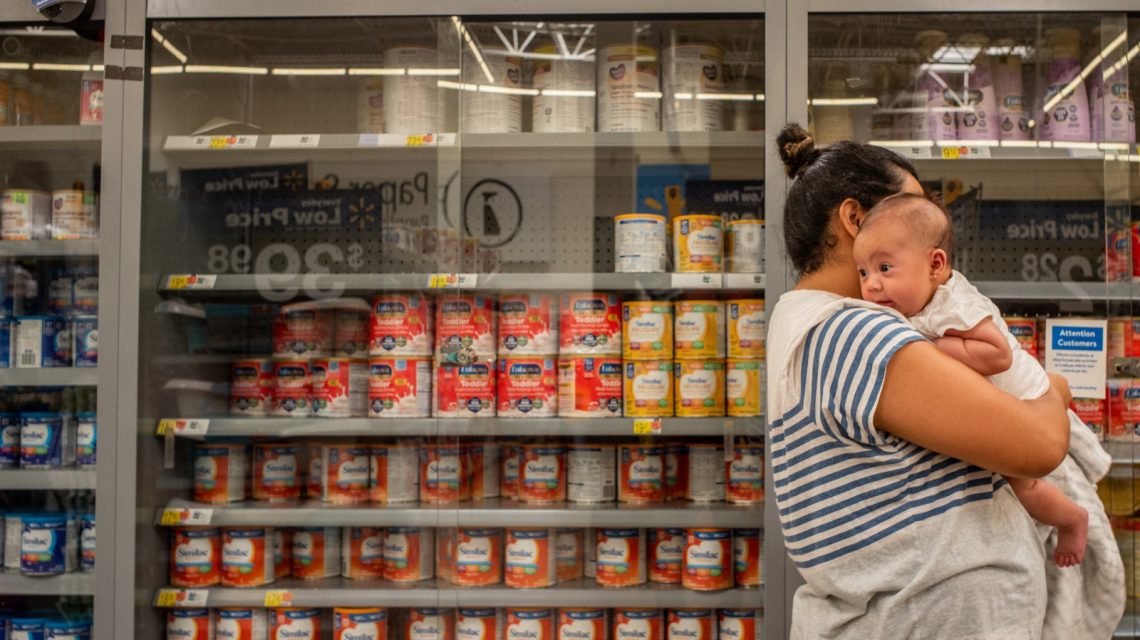
Republican lawmakers are advocating for stricter federal oversight on infant formula. They are urging Health and Human Services Secretary Robert F. Kennedy Jr. to enhance protection for parents against contaminants in baby products. Although many infants consume formula in their first year, the demand for stronger safety measures arises from concerns over heavy metals in these products.
Recent studies by the FDA indicated that most U.S. formula supplies are safe. However, lawmakers want formal contaminant limits and increased transparency. They aim to provide parents with greater confidence in the safety of infant formula. Two new congressional bills propose regulatory measures on contaminants and research into the health impacts of toxic metals such as arsenic, lead, cadmium, and mercury.
Proposed Legislative Changes
One key proposal is the FORMULA Act of 2026, introduced by Florida Representative Brian Mast. This bill seeks to amend existing legislation, requiring the establishment of maximum permissible levels for contaminants in formulas. It outlines factors like health impacts, prevalence in raw materials, and bioaccumulation in the body, to guide regulations. The act also mandates manufacturers to maintain test records for two years beyond a formula’s expiration.
Additionally, the bill calls for annual reports to Congress, listing manufacturers in violation of standards and contaminants identified in products. Among the specified contaminants are polyfluoroalkyl substances, microplastics, and synthetic pesticides. The act’s sole cosponsor at present is Republican Representative Buddy Carter of Georgia.
Further Investigations and Safety Studies
Further to the FORMULA Act, Representative Tom Barrett from Michigan introduced the Safe Baby Formula Act of 2026. This bill focuses on studying the effects of arsenic, cadmium, lead, and mercury in formulas. It requires HHS to complete the study within a year of enactment. Kennedy is tasked to evaluate feasibility, enforcement capacity, and food security impacts regarding the regulation.
Consumer and Regulatory Concerns
In the U.S., enforceable limits for contaminants in formulas lag behind other countries like those in the European Union. Consumer Reports previously identified various levels of metals in formulas, raising safety concerns. A recent FDA analysis revealed most formulas contain low or undetectable contaminant levels, affirming their safety.
Arsenic, though detected in most samples, consistently shows levels below 4.7 parts per billion, much lower than the EPA’s limit for drinking water. Kennedy emphasized high safety standards while ensuring manufacturers’ accountability and transparency.
Advice on Formula Selection and Water Safety
Parents often pick formulas based on nutritional suitability and physician guidance. According to Consumer Reports, several formulas were highlighted as safer options with low contaminant presence, including products from brands like Enfamil and Similac.
Water used in formula preparation is another consideration. Public health experts recommend using distilled or purified water to minimize contaminant exposure. Tap water, if used, should be boiled and cooled. Families should discuss any concerns with pediatricians to ensure safe feeding practices.
While the FDA’s findings ease parental concerns, lawmakers push for stricter regulations to assure continual safety improvements. The acceptance and implementation of these proposals by Kennedy and relevant authorities could shape future discourse on infant formula safety.
 Concerns Over Food Safety and Its Impact on Families
  A Mother’s Tragic Journey Under Abortion Ban
  Medical Diagnosis Errors: Understanding the Crisis
  Lymphatic Drainage and Ice Sculpting: Emerging Wellness Trends
  The Rising Trend of GLP-1 Medications Among College Students
  The Challenges and Opportunities of Testosterone Therapy for Menopausal Women