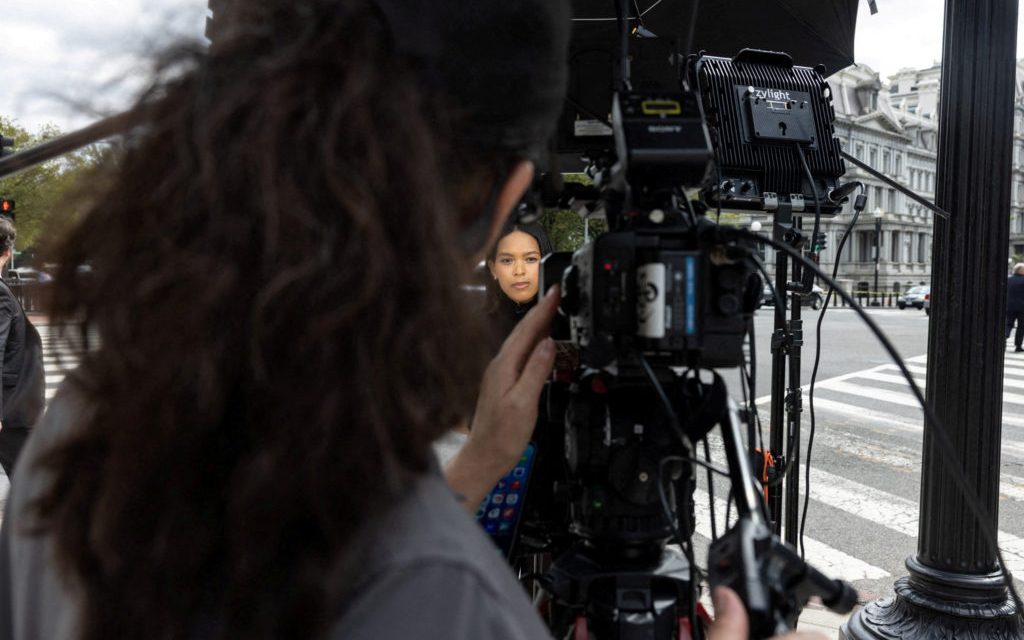
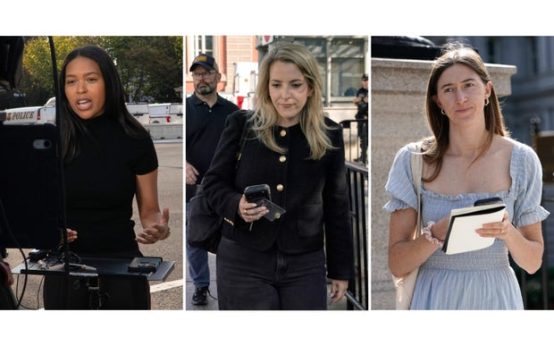
Reporters from CNN, MS NOW, and Politico were denied access to the White House on Saturday. This action followed President Donald Trump’s statement that he was barring these outlets due to their ‘fake news’ reporting. This marked an escalation in Trump’s ongoing efforts to limit media coverage he finds unfavorable.
Actions and Reactions
Both CNN’s Betsy Klein and MS NOW’s Akayla Gardner reported live that their press badges were deactivated as they attempted to enter the White House. Politico’s Cheyenne Haslett faced similar restrictions, with her badge confiscated. The three organizations indicated potential legal action. Jonathan Greenberger, Politico’s Editor-in-Chief, emphasized their commitment to defending First Amendment rights. CNN stated its ongoing accountability to government entities, while MS NOW declared its intention to take all necessary steps to protect independent journalism.
Legal and Media Implications
The White House Correspondents’ Association President, Jacqui Heinrich, urged the administration to restore access for the affected outlets, highlighting the implications of such exclusions on media freedom. Correspondents provide on-the-ground coverage during the president’s stay in Washington or nearby Camp David. Gardner described her experience of having her badge disabled and being told the decision was made at a higher level. An MS NOW producer was granted access, yet a photographer’s badge was also disabled.
Amy Kristin Sanders, a media law expert from Penn State University, noted that this administration’s approach to press freedom significantly differs from traditional First Amendment norms. She warned that these actions might have a global impact on freedom of expression. CNN’s Brian Stelter described the incident as a major threat to press freedom within the United States.
President’s Justifications
On social media, Trump labeled CNN, MS NOW, and Politico as ‘fake news’ and justified the ban by criticizing their reporting. He suggested other outlets might face similar actions unless they improve their reporting.
Previously, Trump barred Associated Press reporters from the Oval Office and other events. This occurred after the AP refused to rename the Gulf of Mexico per his directive, instead opting to use ‘Gulf of America’ in certain contexts. The matter is currently under legal review. Since resuming office, Trump has targeted various publications with legal actions, including The New York Times, The Wall Street Journal, and the BBC. His administration is also entangled in a broadcast license renewal dispute with ABC.
The Associated Press expressed support for the banned outlets, emphasizing that no news organization should face government retaliation for their reporting. A free press remains fundamental to a functional democracy.
 Court Rules Against Third-Country Deportation Policy
  Trump Administration Bars News Networks from White House
  Lawsuit Filed Over Preeclampsia Death in Texas Amid Abortion Ban Controversy
  Cook County’s Loan Program Assists Suburban Agencies Amid Property Tax Delays
  Freddy Cazares: Navigating the Limbo of Immigration Detainment and Uncertain Release
  Controversy Over Immigration Policy Protest in South Carolina