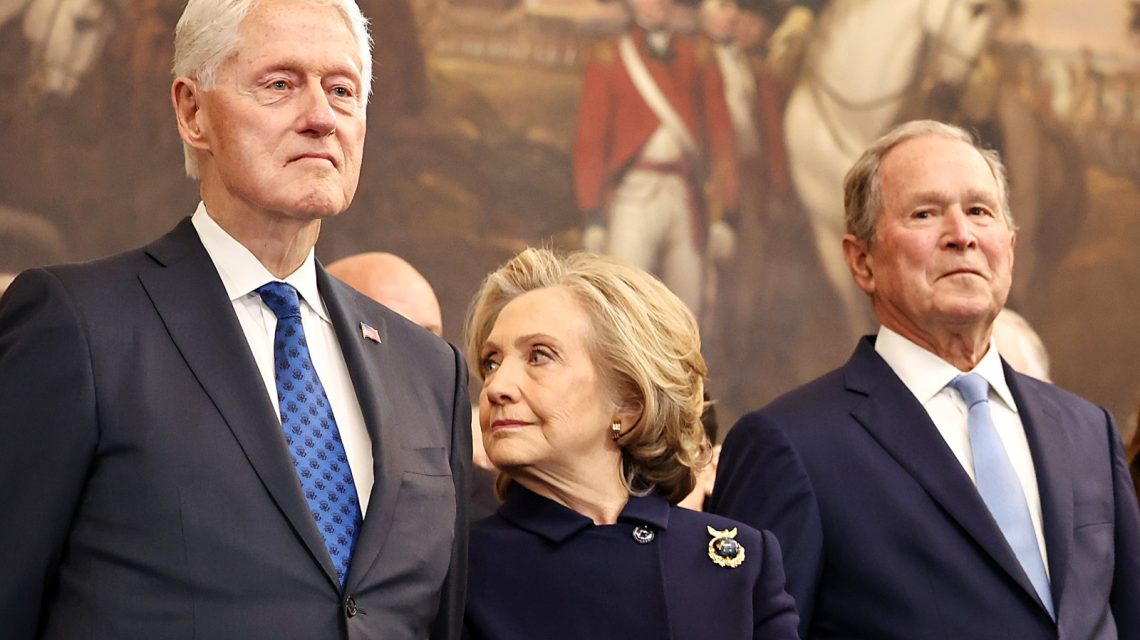
In a mere 66 days during the summer of 1946, three future U.S. presidents were born into a nation fresh from World War II victory. Bill Clinton, George W. Bush, and Donald Trump each inherited this legacy at distinct moments, illustrating how much has changed over time.
The Post-War Era
These future leaders were born after World War II fighting had ended but before postwar structures were fully established. NATO was not yet formed, the Berlin Blockade was unrealized, the Korean War was years away, and the Cold War was in its early stages. Their lifetimes nearly encompass the full arc of the American-led order from its inception to current uncertainties.
George W. Bush celebrating his 80th birthday on a Monday signifies more than aging; it marks a significant historical journey. Donald Trump also reached this milestone on June 14, and Bill Clinton will join them on August 19. Their terms in office highlight America’s shift from confident architects of global order to a nation questioning its global role.
Bill Clinton
At 46, Clinton took office in 1993 among the youngest to become president. His tenure was viewed as the culmination of the U.S. evolving into a mature superpower leading in a post-Soviet, ‘end of history’ era. The 1990s economy was strong with a decade-long expansion from March 1991 to March 2001, characterized by low inflation, low unemployment, and budget surpluses.
Clinton’s presidency aligned with global enthusiasm post-Soviet Union, advocating free trade and globalization as the U.S. positioned itself at the center of a borderless world.
George W. Bush
Bush’s presidency disrupted any continuity. The dotcom bubble began to collapse in early 2000, leading to a market decline during the transition of power.
Within eight months of taking office, the September 11, 2001 attacks abruptly ended the peaceful period post-Cold War, ushering in the War on Terror. Military actions in Iraq and Afghanistan replaced globalization with a focus on security and intervention, shifting perceptions on U.S. power in the new century.
The prolonged conflicts and financial crises during his term contributed to a decline in public trust in institutions and America’s global leadership.
Donald Trump
After Barack Obama’s presidency, Trump’s first term began when confidence in the American-led order was weakened by Middle East wars, economic model skepticism, and China’s rise. Trump’s presidency harnessed this discontent, describing globalization as a threat rather than a chance for the rivaled superpower.
His ‘America First’ approach rejected predecessors’ free trade and cooperation, emphasizing tariffs, border security, industrial policy, and great-power rivalry. This focus on sovereignty and strained ally relations reflects a U.S. more concerned with maintaining its status rather than reshaping global dynamics.
The Presidents of 1946
Collectively, Clinton, Bush, and Trump’s presidencies form a timeline of optimism, disruption, and reassessment, combining historical elements with efforts to redefine them. Their shared 1946 birth year gains new significance as they all turn 80 close to each other.
These leaders represent a generation born during America’s rise to global primacy, each overseeing a different phase of its development from confidence to complexity.
 The Cost of Challenging Beijing
 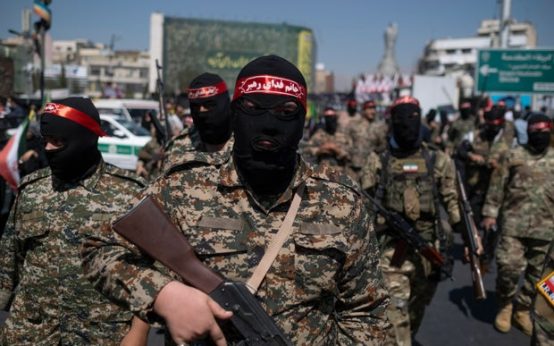 Tensions Escalate in Iran Conflict as Global Leaders Weigh Options
 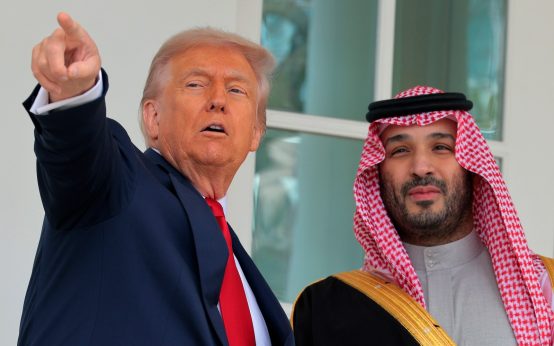 White House Approves F-35 Sales to Saudi Arabia Amidst Regional Tensions
  Inside the Secret Deals Powering the President’s Push to Deport Migrants to Countries Not Their Own
  Navigating the Challenges of Third-Country Deportations
  Midair Altercation on Bangladesh to London Flight