James Fallows, a journalist and former speechwriter for the Carter White House, offers insights on the 25th anniversary of the 9/11 attacks. Significant historical events often occur without a clear indication of their lasting impact. The attack on Pearl Harbor on December 7, 1941, ended U.S. isolation and initiated global engagement. The events of September 11, 2001, had a similarly profound effect, initially seeming to alter everything.
On this 25th anniversary, it’s worth considering the changes once thought to be permanent but have not endured, as well as the transformations future generations may seek to reverse. During difficult times, unity often emerges. The phrase “We are all Americans,” famously printed in the French newspaper Le Monde, resonated globally when NATO unanimously pledged to defend the U.S.
In America, there was a newfound respect for first responders and ordinary citizens displaying bravery. President George W. Bush, despite being caught off guard by the attacks, visited Washington’s Islamic Center shortly afterward. He emphasized that while the attackers were Muslim, Islam itself was not the enemy. His message was about mutual respect amid anger and emotion.
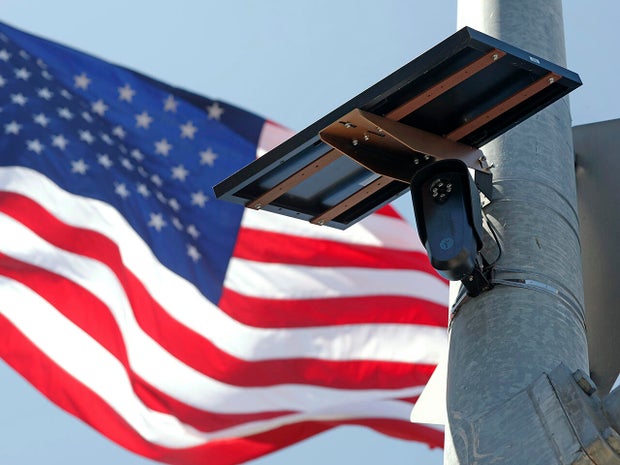
This unifying spirit dissipated quicker than anticipated. Some changes in America post-9/11 went unexamined. The Department of Homeland Security, TSA, and ICE did not exist before. These security measures operated with less scope and authority prior to the attacks. The Patriot Act and modern surveillance state structures were nonexistent. For instance, surveillance equipment now permeates America, facing criticism over privacy concerns, as seen with automated license plate readers deployed widely.
Additionally, local police weren’t equipped like military forces. The Iraq War, justified at the time by the events of 9/11 despite no Iraqi involvement, initiated “forever wars.” These developments were largely bipartisan and gradual. Reflecting now, we see a nation that weathered an attack without recurrence, yet its social fabric and civic culture have been irrevocably altered.
America has experienced other historical turning points that led to unfavorable outcomes: the abandonment of Reconstruction and equal rights post-Civil War in the late 1800s, and isolationism in the 1920s and 1930s as totalitarian regimes rose elsewhere. There is hope that in another 25 years, the U.S. will more seriously grapple with national identity and aspirations than it has so far.
Remembering 9/11: Where tragedy left its marks
Remembering 9/11: Andrew Card on the moment everything changed
Remembering 9/11: Robert De Niro on helping revive Lower Manhattan after September 11
Remembering 9/11: When Gander provided safe haven in a time of crisis
Remembering 9/11: “Come From Away”: Transforming tragedy into art, darkness into light
For more information, consider James Fallows’ work at Breaking the News on Substack.
Story produced by Annie Iezzi and edited by Emanuele Secci.
 Converse Apologizes and Withdraws Controversial Ad Amid Criticism
  Lucas Museum of Narrative Art Unveils in Los Angeles
  Lonnie G. Bunch III Reflects on His Legacy at the Smithsonian
  A Decade of Impact at the National Museum of African American History and Culture
  Urgent Archaeological Efforts in Quinhagak Stay Ahead of Erosion
  Kennedy Center Faces Potential Bankruptcy and Closure Amid Controversies