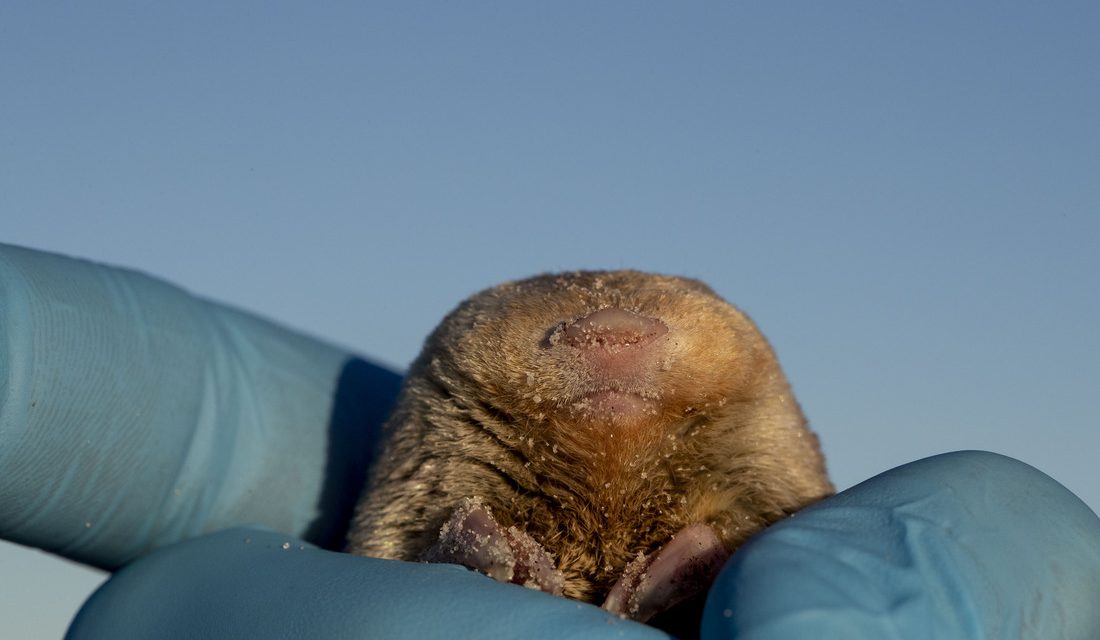
Historic numbers of animal species worldwide face endangerment or extinction. The United Nations reports an accelerating pace at which species disappear. Yet, some species exist in a state of ‘limbo.’ They aren’t definitively extinct, but they also don’t appear in recent scientific records. The International Union for the Conservation of Nature defines ‘lost’ species as those not observed in over ten years.
Causes and Challenges
According to Thomas Evans, a conservation scientist in Berlin, human impacts like climate change, pollution, and habitat destruction are primary threats. These mechanisms shrink populations, pushing them towards extinction. This uncertain status presents a dilemma, especially concerning conservation efforts. If a species remains, protective actions are crucial. Yet, without solid proof of existence, securing funding is tough.
Inequities in Rediscovery Efforts
The search and protection disparities among species are significant. A Global Change Biology study by Evans and colleagues highlighted these inequalities. They created a database of lost and rediscovered tetrapods, aiming to understand rediscovery likelihood. ‘Charismatic’ species, typically large or appealing, have higher chances of rediscovery and protection. Meanwhile, less ‘charismatic’ species, like many rodents, often remain neglected. Despite rodents comprising a third of the mammals Evans studied, they made up half of the lost mammal species.
The Difficulties of Rediscovery
Rediscovering a lost species is challenging and often involves trips to remote areas. Scientists now employ advanced technologies to find evidence of elusive animals. In South Africa, Samantha Mynhardt, a conservation biologist, dedicated years to researching golden moles. After identifying De Winton’s golden mole as a priority, Mynhardt faced initial skepticism from colleagues since the species hadn’t been seen in nearly a century.
Traditional tools failed to capture the elusive mole. Her team used scent detection dogs and eDNA collection, which tests environmental DNA traces like hair or skin cells. They discovered the mole on South Africa’s west coast, confirming its identity through lab analysis. ‘Confirming the species was an incredible moment,’ Mynhardt recalled, celebrating their find.
Stories of Rediscovery: De Winton’s Mole and Vangunu Giant Rat
Across the world, another story unfolded as University of Melbourne biologist Tyrone Lavery spent 14 years researching the Vangunu giant rat. Locals on the Vangunu Islands recognized it as ‘vika,’ yet Lavery struggled due to its rarity and the ecological threats it faced.
A chance sighting occurred when logging disturbed its habitat, leading to a confirmed sighting of the rat. Despite the rat’s initial survival, ongoing logging approvals endangered its habitat. Lavery set camera traps to gather evidence. This photographic proof, published in the journal Ecology and Evolution, indirectly influenced logging operations although no formal protections exist yet.
The Importance and Future of ‘Uncharismatic’ Species
While the rediscovery of De Winton’s golden mole and the Vangunu rat suggests hope, many ‘uncharismatic’ species remain overlooked. ‘It’s unfortunate,’ Mynhardt notes, ‘because all species have inherent value and deserve protection.’
For further inquiries or ideas for scientific topics, listeners can contact Short Wave at [email protected]. Tune in to Short Wave on Spotify, Apple Podcasts, or Google Podcasts. NPR’s Short Wave+ offers sponsor-free listening and supports ongoing work.
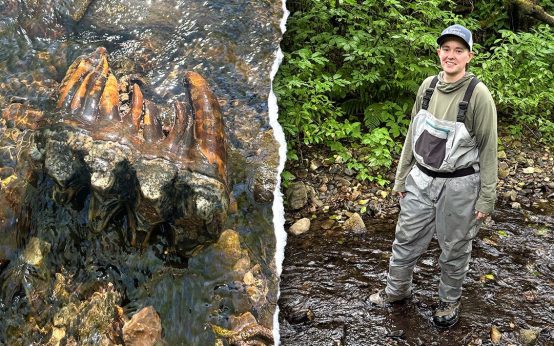 Ice Age Mastodon Tooth Unearthed in California Creek
  EPA Dismantles Greenhouse Gas Rules, Causing Concern
 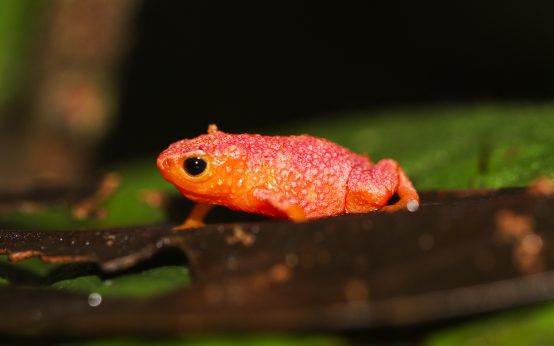 The Unique Challenges of the Pumpkin Toadlet
  How Battery Innovations Transform Renewable Energy
  Data Centers Stir Controversy in Texas Amid Growth Boom
  Urgent Archaeological Efforts in Quinhagak Stay Ahead of Erosion