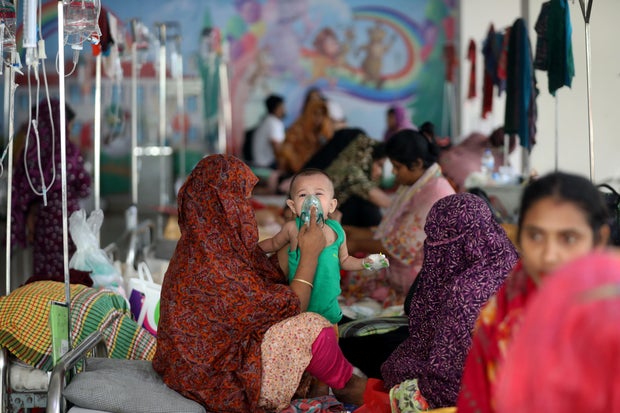
A measles outbreak in Bangladesh has resulted in nearly 400 deaths, primarily affecting children. Health experts warn this situation poses potential risks for the U.S., where measles cases are reaching levels not seen in decades. Declining vaccination rates further exacerbate this concern.
The Situation in Bangladesh
The Directorate General of Health Services in Bangladesh reports over 56,000 suspected cases since the outbreak began, doubling since early April. Many hospitals are overwhelmed as local media depict patients receiving treatment even on floors due to a shortage of beds. Aid organizations highlight that numerous infected children were either too young or received incomplete vaccinations.
Miguel Mateos Muñoz from UNICEF states, “Last year’s changes in vaccine supply contributed to delays, resulting in a concerning number of children who are partly vaccinated or unvaccinated. Two doses are required for effective protection, and the lack of full vaccination is troubling.”
Understanding the Measles Threat
Measles is highly contagious, spread easily through droplets suspended in the air by an infected person. Ninety percent of unvaccinated individuals exposed to the virus become infected. The virus particularly endangers children and the elderly, leading to complications such as pneumonia, brain swelling, and in some cases, death. Patients can spread measles from four days before to four days after the rash appears.
The World Health Organization states there is no specific antiviral treatment for measles, although most individuals recover in two to three weeks. However, measles can cause complications like pneumonia, ear infections, encephalitis, blindness, and sometimes death. In 2024, nearly 100,000 people died from measles worldwide despite vaccine availability.
Impact on U.S. Public Health
Overseas outbreaks heighten risk for the U.S. as measles crosses borders easily, particularly where vaccination rates fall below 95%. Although measles vaccines are widely available in the U.S., coverage rates have dropped below the ideal threshold.
In 2026, the U.S. recorded 1,842 confirmed measles cases as of May 7. Most cases are linked to outbreaks, impacting primarily unvaccinated individuals. Before the COVID-19 pandemic, vaccination rates stood around 95%. Now, MMR (measles, mumps, and rubella) vaccine uptake among kindergartners is as low as 92%, leaving many susceptible.
County-level research by Johns Hopkins University showed declining vaccination rates in over three-quarters of U.S. counties. Measles elimination status is under threat, as outbreaks could soon lead to continuous transmission lasting more than 12 months. Canada lost such status in late 2025 amid similar challenges.
Most U.S. outbreaks start when unvaccinated travelers bring the virus from countries with large outbreaks. The CDC identifies Mexico, Guatemala, parts of South Asia, and Africa as areas with concerning measles outbreaks.
Concerns and Measures
Dr. Céline Gounder, medical correspondent for CBS News, warns of a major measles challenge as the soccer World Cup this summer will involve fans traveling to the U.S., Mexico, and Canada. She emphasizes the acute risk of measles, highlighting low vaccination levels in some U.S. regions as a concern.
Efforts in Bangladesh
There is a concerted effort to manage the outbreak in Bangladesh. Supported by UNICEF and the World Health Organization, Bangladesh has launched an emergency vaccination campaign, aiming to restore immunization and prevent future global spread. The effort has succeeded in vaccinating 18 million children.
Restoring immunization is critical, says UNICEF’s Muñoz, to prevent outbreaks and their spread globally.
 Investigation Continues Into FlyDubai Co-Pilot Incident
 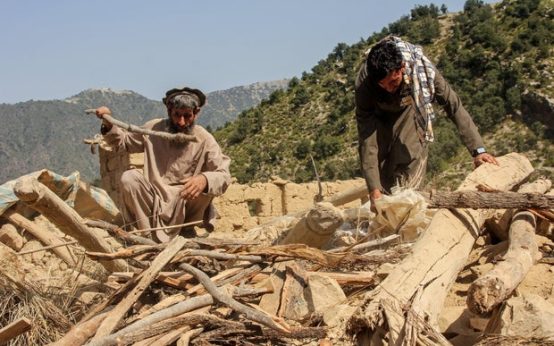 Pakistan Airstrikes in Afghanistan Kill Civilians
  VA Invests in Community Programs to Tackle Veteran Suicide
  More Funding Needed for Psychiatric Hospitals
  Improving Funding for Psychiatric Hospitals
 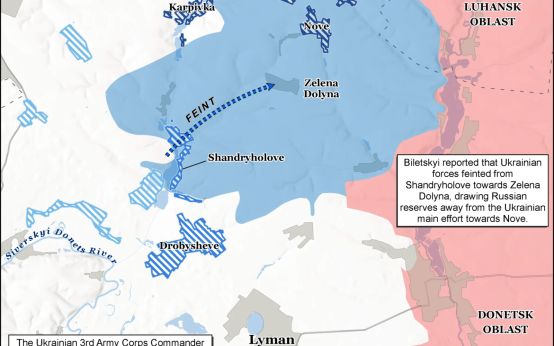 Ukraine’s Innovative Use of APCs in Donetsk