Founded in 2012, Range USA aimed to transform the gun retailing experience by presenting itself as a welcoming alternative to traditional gun shops. Tom Willingham, the founder and president, sought to mainstream firearms-buying and create a comfortable environment for women and novices. The chain, inspired by large retail stores, now boasts 50 locations across 14 states, spanning from the Mississippi River to the Atlantic Coast.
Despite its efforts to distinguish itself, Range USA encounters challenges familiar to other gun retailers. Federal regulators have cited the chain’s stores for failing to adhere to protocols that prevent illegal sales. This is highlighted by guns sold from its outlets being implicated in criminal activities.
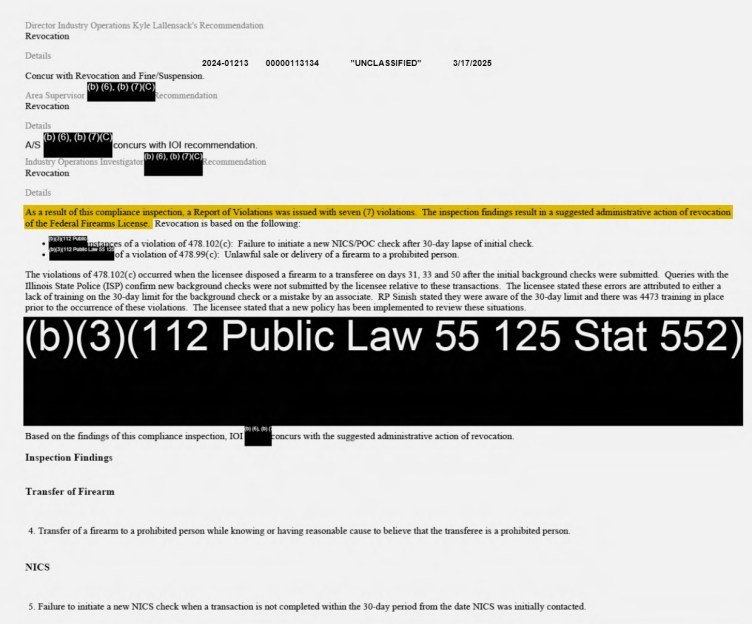
For instance, Chicago police officer John Bartholomew was fatally shot with a gun originally purchased in an unauthorized transaction at a Range USA store in Merrillville, Indiana. The outlet faced license revocation due to compliance failures, including missing background checks, as identified by the Bureau of Alcohol, Tobacco, Firearms and Explosives (ATF).
Range USA argued that its outdated filing system was to blame for these issues, promising improvements with a transition to electronic systems. The ATF later rescinded the license revocation recommendation once evidence of a conducted background check was presented.
The Merrillville store was cited for serious compliance failures. In response, Range USA assured improvements with an electronic filing system.
Between 2020 and 2024, authorities suggested revoking licenses at three other Range USA locations. At Dayton’s Range USA, an employee sold a firearm after failing a background check. The company admitted to errors and pledged policy changes.
In Lewis Center, Ohio, falsified records led to another citation. Range USA denied intentional misconduct by employees. Despite facing revocations, the stores remain operational although some incurred fines.
The ATF’s enforcement penalties weakened under the Biden administration, yet Range USA plans to expand further. Sales increased by over 5% in 2025 as the industry slowed. Three new locations are set to open by 2027.
Willingham advocates for the gun retail sector, contributing to political action committees supporting industry-friendly candidates. Range USA donated $35,000 to the National Shooting Sports Foundation, a trade association lobbying for the industry.
Straw sales, transactions involving customers buying guns for those legally unable to, persist as a source of violations at Range USA. In Chicago, straw purchases originating in Indiana led to violent crimes, including Ella French’s murder.
Advocacy group Brady United accused Range USA of negligence in straw sales linked to the Shorewood store. A lawsuit cited a sale involving Maxwell Williams and his girlfriend, who was coerced into buying a firearm on his behalf.
Range USA refuted Brady’s allegations, citing ignorance of criminal intent and referencing the Protection of Lawful Commerce in Arms Act, which shields gun retailers from liability.
Despite efforts to detect illegal sales, straw purchases remain a persistent issue. The ATF implemented programs requiring retailers to report suspicious transactions, yet results vary.
The Biden administration’s zero-tolerance policy enforced stricter inspections and harsher penalties for retailers repeatedly breaching sales guidelines. Recommendations for license revocations surged, though closures require lengthy administrative and legal proceedings.
With regime change, Trump officials marked a pivot from stringent measures to industry-friendly approaches, including streamlining paperwork to reduce errors. ATF Director Robert Cekada emphasized clarity in standards while maintaining public safety commitments.
“We propose to remove unnecessary hurdles standing in the way of law-abiding citizens and businesses.” — ATF Director Robert Cekada
Public safety concerns remain amid policy adjustments questioned by gun policy researchers like Daniel Webster, who criticized the signal sent to retailers regarding straw sales surveillance. NSSF spokesperson Mark Oliva affirmed the industry’s dedication to restricting firearms access to untrustworthy individuals.