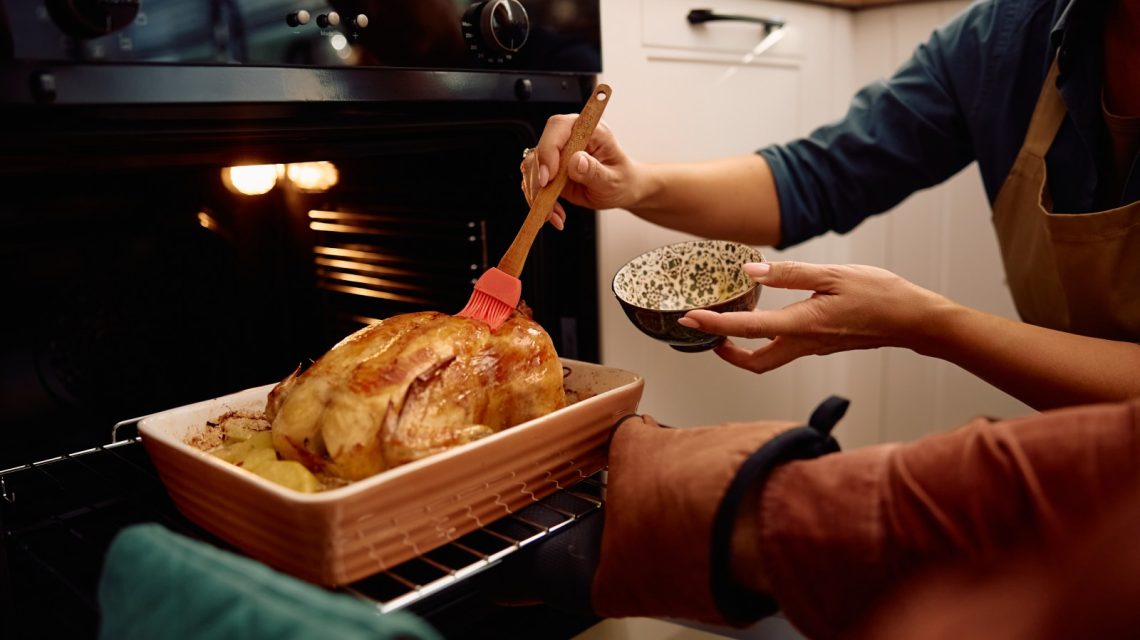
Thanksgiving usually features a roasted turkey and assorted traditional dishes. But preparing the holiday meal could introduce an unexpected issue. The process may release harmful pollutants.
High temperature cooking methods like frying, searing, broiling, and grilling generate fine airborne particles. These particles can penetrate deep into the lungs. Using gas stoves adds to the problem. Dr. Gina Solomon from Western States PEHSU highlights that the stove poses a significant hazard. Newsweek reports her explaining that gas stoves can emit high nitrogen dioxide levels. Having multiple burners on increases emissions, affecting children with asthma and people with respiratory issues.
Cooking that generates smoke, such as frying and sautéing, releases particles harmful to the lungs. Dr. Solomon notes using multiple stove burners and the oven during Thanksgiving, especially with gas stoves, increases exposure to combustion byproducts. Aromas may be pleasing, but they come with hazardous particles and nitrogen oxides.
David T. Dyjack of the National Environmental Health Association shares that even the turkey can contribute to pollution. Fats and juices dripping in hot ovens produce particles. Pan-frying bacon and sausage also adds emissions. Searing meat and overheating oils are common pollution sources.
Pollution might persist after cooking ends. Well-ventilated kitchens see levels drop in 30 to 60 minutes; poorly ventilated spaces may take hours, Dyjack notes. Particle filters don’t eliminate all pollutants. HEPA air cleaners reduce particles but not nitrogen dioxide or carbon monoxide. Carbon monoxide’s odorless and colorless nature makes it dangerous. Symptoms include headache, dizziness, and nausea. Homes with fuel-burning appliances need functioning carbon monoxide alarms.
Vulnerable groups include children, seniors, and people with respiratory or cardiovascular conditions. Yet, Thanksgiving dinner can still be enjoyed with precautions. Effective methods exist for safe cooking.
Ventilation is essential, both experts agree. Dyjack advises turning on kitchen exhausts before cooking and keeping them on afterwards for 10 to 20 minutes. Venting hoods outdoors are preferred over recirculating ones, which don’t remove combustion gases. Opening windows when weather and air quality allow aids in clearing pollutants. Using back burners, maintaining clean appliances, and lowering cooking temperatures also help.
“Cook low and slow,” Dyjack shares his mother’s advice. Reduce heat when able, avoid burning foods, and select appropriate cooking oils.
Solomon recommends reconsidering holiday decorations. Lit candles add to air pollution. She suggests battery-operated candles as alternatives.
Maintaining appliances and having safety alarms can protect air quality without altering traditions. Focusing on ventilation, cooking temperatures, and safety ensures the lasting memory of Thanksgiving is a delightful meal, Dyjack assures.
 Early Black Friday Deals on Winter Shoes
 Amazon’s Backyard Pod: Versatile Spaces Under $22K
 Ownership Issues of St. Anthony Falls Cutoff Wall
 Recent Events Highlight Legal and Social Shifts
 Shimmering Holiday Gift Guide
 Seasonal Highlights: Dining Events and Specials