
United States presidents should consider the outcomes before leading the nation into war. President Trump, as pointed out by Peter Baker in the New York Times, acts on impulse. He is described as “the most impulsive president of modern times.” His quick decisions led him to believe the conflict with Iran would be swift, despite critics’ concerns.
The war began on February 28. By March 1, Trump stated it would last “four to five weeks.” On March 5, he said that the U.S. military and Israeli partners were making unprecedented progress. Two days later, he told reporters the U.S. was decisively winning.
By March 20, Trump claimed complete victory, but the war continued into August. Talks stalled, and public concern grew. An Associated Press poll found 64% of Americans believed the war was not worth fighting, including 87% of Democrats and 37% of Republicans, according to the AP.
Polls reflected dissatisfaction with Trump’s leadership. CNN’s latest poll showed his support at 34%, matching his lowest level. In another poll, his approval was at 33%, similar to his lowest in 2017. Quinnipiac’s poll showed a 32% approval rating. Despite unfavorable numbers, Trump claimed on Truth Social that his real poll numbers were at their peak.
Republicans facing reelection see this situation clearly, while Trump appears oblivious. Kristen Soltis Anderson, a Republican pollster, remarked that the Republicans’ advantage is Democrats’ unclear messaging beyond “Trump is bad.” However, if this environment persists, it might suffice.
Amid the war’s uncertainty, Trump must decide: intensify efforts to compel Iran to negotiate or withdraw. The American public is exhausted from fluctuating promises about Iran. Trump’s actions may have lost him credibility both internationally and domestically.
If negotiations collapse, Trump needs a clear plan. He doesn’t have to fulfill his drastic promises, but he must create conditions leading Iran to a favorable agreement. Alternatively, he could cease efforts, claiming victory, but public trust remains low.
Trump’s options include pressuring Iran into a deal ensuring the Strait of Hormuz’s reopening and preventing nuclear weapon development. Otherwise, he could exit the conflict. Choices need to be made as midterm elections approach.
Bernard Goldberg, an Emmy and Alfred I. duPont-Columbia University award-winning journalist, is the article’s author. He publishes weekly columns on Substack. Follow him @BernardGoldberg.
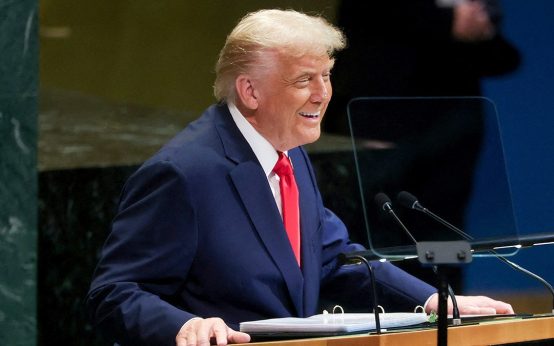 Trump’s Vision for Global Security: Iran, AI, and the Role of the U.S.
  Nevada Attorney General Faces Questions Over Clemency Bid
  Trump Administration’s Crackdown on ACA Coverage
  Shakeup in Mayor Johnson’s Administration with Key Retirements and Appointments
  House Republicans Challenge DOJ Over Smith Investigation
 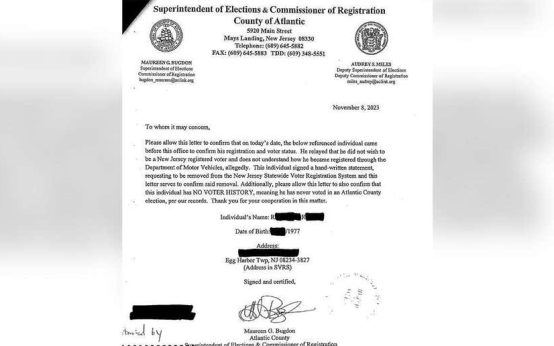 RNC Sues New Jersey Over Voter Roll Transparency