
In recent weeks, President Donald Trump has shown reluctance to accept Supreme Court decisions on several crucial issues. He has enacted new tariffs, made attempts to remove Federal Reserve governor Lisa Cook, and initiated executive orders to restrict birthright citizenship.
Experts note that these actions do not demonstrate blatant defiance of the Supreme Court. However, they do challenge the boundaries of the court’s rulings that were not in his favor earlier in the summer.

The president’s determination to pursue his agenda, even after court setbacks, signals a willingness to test the scope of judicial decisions. This strategy involves exploring alternatives and employing executive power to navigate around legal obstacles.
Such maneuvers highlight a broader tension between the executive branch and the judiciary. The dynamic raises questions about the separation of powers and the checks and balances system. As Trump seeks ways to advance his policies, the interplay between branches of government comes into sharper focus.
 U.S. Space Academy Plans and States’ Competition
  A Proposal for Addressing Presidential Influence on Press Freedom
 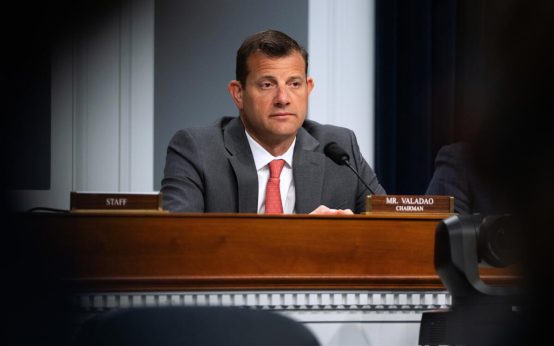 Immigration Debate: Democrats and Republicans Face Messaging Challenges
 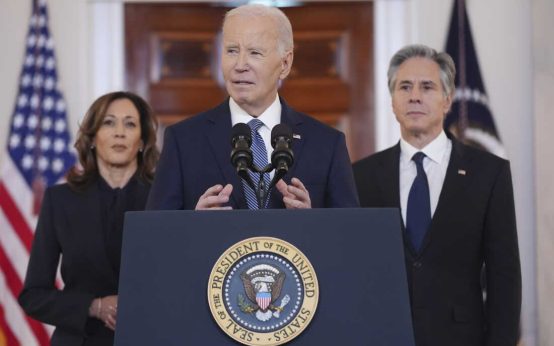 Insight into the Biden Administration’s Gaza Policy
  Systemic Issues Plague U.S. DOGE Service
  The Scope of Accountability in Missouri’s Education System