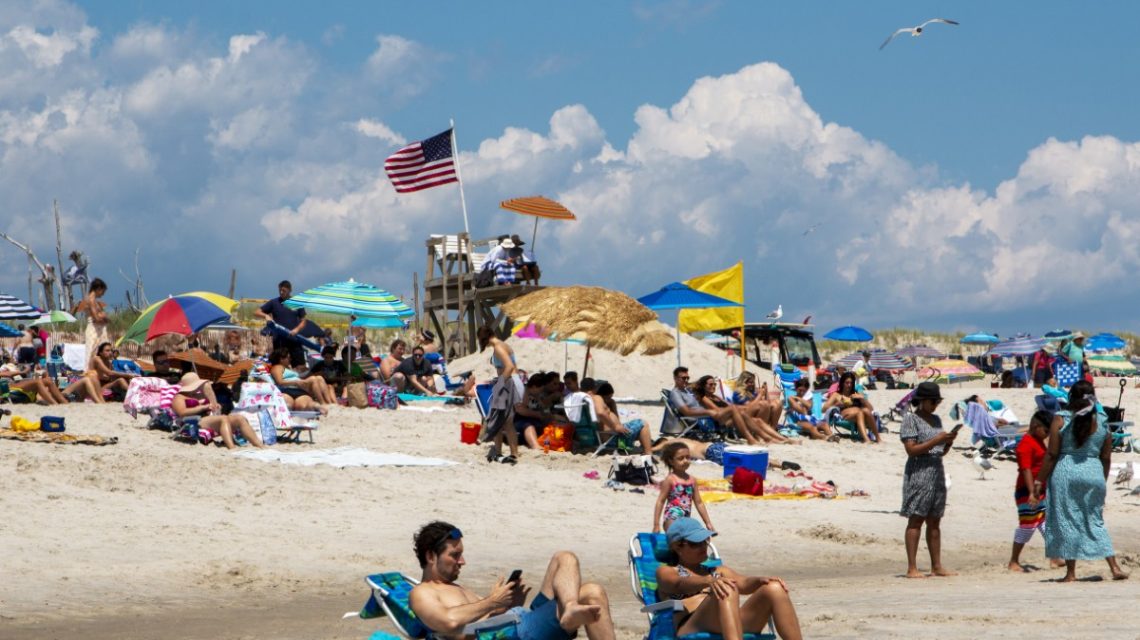
Precautions for July 4th Beach Visitors
With the approach of July 4th, Americans planning to visit the coast are advised to take precautions regarding Vibrio vulnificus, a bacterium commonly known as “flesh-eating bacteria.” Authorities in New York have cautioned that this potentially deadly bacterium may be present in coastal waters.
The Southampton Town Trustees released an advisory in April. It warns residents and visitors that Vibrio vulnificus can exist in warm saltwater and brackish environments during summer. Although infections are rare, they can quickly become severe, especially in vulnerable individuals.
Vibrio Vulnificus Infection Risks
The CDC states that approximately 1 in 5 people with Vibrio vulnificus infections might die due to severe complications, sometimes within a day or two of illness onset. Many Americans visit beaches during July 4th, one of the busiest travel weekends.
Traditionally found in the southeastern U.S., cases of Vibrio vulnificus have been moving north as coastal waters warm. New York reports detections that were once unusual.
Water Safety Advisory
Southampton Town Trustees highlight that the bacteria’s presence isn’t a sign of pollution or a major public health crisis. Most infections occur when open wounds contact contaminated saltwater or brackish water. People with underlying health issues or weakened immune systems are at higher risk.
The advisory doesn’t mean beaches are closed or unsafe to swim. No specific Long Island or New York ocean beaches have closed due to Vibrio vulnificus.
Affected Areas and Precautions
Popular beaches like Jones Beach and Robert Moses State Park remain subject to regular water quality monitoring, not Vibrio-specific closures. Studies have detected Vibrio in brackish areas such as Mecox Bay and Sagaponack Pond.
For updated conditions, check resources like:
- New York State Department of Health beach water quality reports
- Suffolk County Department of Health Services
- Nassau County Department of Health
- Local beach websites for closures and advisories
About Vibrio Vulnificus
Vibrio vulnificus naturally thrives in warm coastal waters where salt and freshwater mix. Infection can result from exposing open wounds to contaminated water or consuming raw or undercooked shellfish, especially oysters.
Symptoms of wound infections include redness, swelling, severe pain, and skin discoloration. Blood infections can cause fever and low blood pressure, requiring urgent medical care.
Treatment and Monitoring
Those with compromised immune systems, such as individuals with liver disease, cancer, or other illness, face heightened risk. Severe Vibrio infections might need antibiotics, while surgery or amputation may be required for wound infections.
Health officials in the Northeast monitor the bacteria due to rising cases linked to warming waters. Researchers note climate change has increased Vibrio vulnificus infections.
Nationwide Warnings
New York isn’t alone in issuing alerts. Florida has reported nine Vibrio cases this year, surpassing last year’s count at the same time. Mississippi also cautioned residents after a man’s severe infection during a fishing trip.
The Mississippi State Department of Health advises avoiding brackish water if you have open wounds. Use waterproof bandages and seek immediate medical attention if symptoms develop.
 Orland Park Plans Traffic Enforcement Measures
  Congressional Hearing Addresses Fatal Shootings Involving Federal Agents
  Medicare Lab Test Payments: Upcoming Changes and Their Implications
  Gen Z Faces Economic Barriers to Dating and Intimacy
  Texas Man Arrested in Shooting of 5-Year-Old Girl
  Understanding and Preventing Suicide: A Public Health Priority