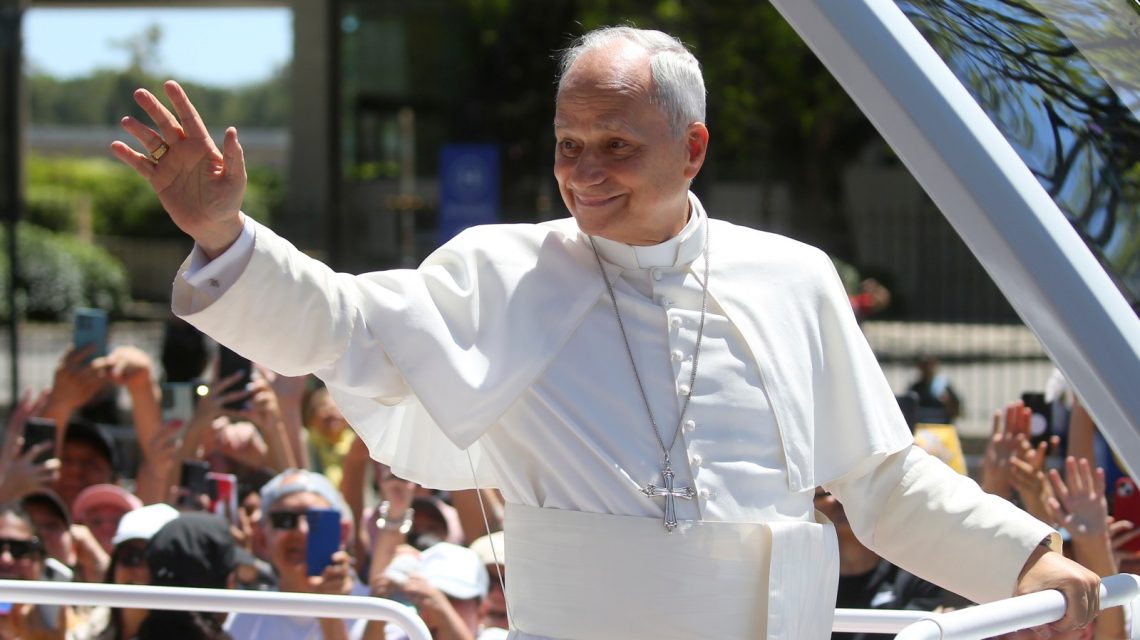
More than a year into his leadership, Pope Leo XIV faces a significant challenge: tackling clerical abuse within the Catholic Church. This test has shown the Church’s commitment to addressing such issues earnestly. During a Wednesday general audience, Pope Leo emphasized the need to prevent and counter abuse, highlighting it as an expression of evangelical conversion. He stressed listening to those hurt, naming the wrongdoing, and prioritizing truth, justice, and reconstruction.
During a recent visit to South America, the Pope gave special attention to the issue. In Peru, he met survivors of clerical abuse and spoke openly about the Church’s need to address “spiritual abuse.” He mentioned the absence of immediate documents but recognized the necessity to address these issues canonically.
Clerical abuse continues to be a major concern for the Church. Decades of investigations have uncovered extensive allegations and highlighted leaders’ failures in addressing these issues properly. Pope Leo’s approach marks a shift from his predecessors, as he dealt extensively with abuse in his previous roles, unlike earlier popes who reached senior positions before significant revelations like The Boston Globe’s 2002 investigation.
Efforts for Change
Pope Leo has consistently emphasized healing for abuse survivors. He told the Pontifical Commission for the Protection of Minors that prevention involves more than protocols—it requires fostering a culture of care across the Church. New statutes approved under his leadership aim to support reporting systems and listening centers for abuse cases.
Kevin Ahern, a professor at Manhattan University, noted that most church structures now have reporting mechanisms, but Pope Leo urges addressing deeper power dynamics within the Church. His remarks on spiritual abuse show a serious commitment to tackling intertwined issues of power, clericalism, and exploitation.
Institutional Influence
Robert Orsi of Northwestern University highlighted the institutional pressures on the Church to protect its status, sometimes at the cost of victim support. He commended Pope Leo’s empathy and support for survivors. Legal concerns have historically influenced Church responses, but Pope Leo’s straightforward approach marks a positive change.
Criticism and Skepticism
The Survivors Network of those Abused by Priests (SNAP) expressed concern over Pope Leo’s record on abuse cases, particularly his handling of allegations during his ministry. Criticisms arise from incidents like allowing James Ray, a priest accused of abuse, to live near a school in Chicago despite restrictions.
American Perspective
Pope Leo’s American background contributes to his approach, particularly his willingness to address broader abuse issues in the Church. Michele Dillon from the University of New Hampshire noted his strategy aligns with previous popes but focuses on transparency and procedural enhancements.
Future Steps
As Pope Leo continues to lead, addressing abuse remains a priority. SNAP insists on safeguards like immediate removal of accused clergy and accountability for leaders covering up abuse. It’s clear that the sexual-abuse crisis isn’t confined to the past but remains an ongoing concern that requires active attention.