The history of physicians serving as U.S. senators is noteworthy. A significant number have transitioned from the medical field to politics, bringing unique perspectives to governance.
Senator John Barrasso, an orthopedic surgeon, previously held the role of chief of surgery at Wyoming Medical Center. Bill Cassidy has a background as a gastroenterologist specializing in liver conditions and was instrumental in establishing a clinic for underserved communities. Rand Paul, known for his career in ophthalmology, dedicated nearly two decades to this practice. Roger Marshall, an OB-GYN, has been part of countless birth stories, welcoming over 5,000 children into the world.
Among these prominent figures is heart surgeon Bill Frist. His medical achievements include performing over 150 heart and lung transplants. Before his tenure as a U.S. senator from 1995 to 2007 and serving as Senate majority leader from 2003 to 2007, he founded the Vanderbilt Multi-Organ Transplant Center. These accomplishments reflect qualities necessary not only in medicine but also in political life—compassion, decisiveness, and an understanding of societal needs.
Compassion and Leadership
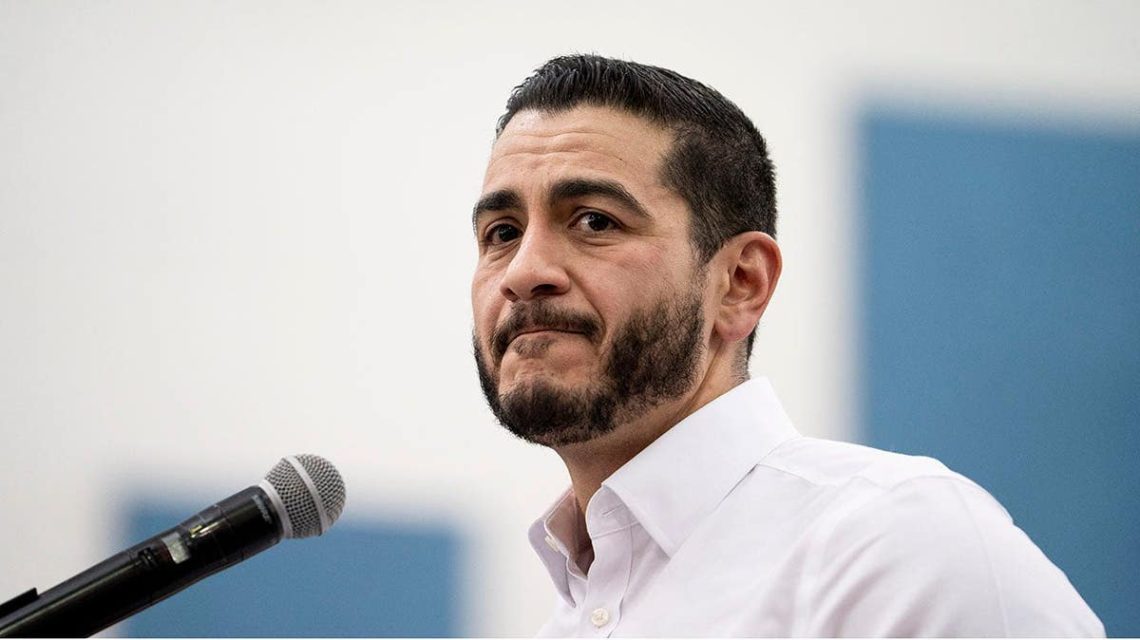
Being a physician requires compassion, sound judgment, calmness, and resolve. These traits align closely with those needed by a U.S. senator. A spotlight shines on whether Dr. Abdul El-Sayed, running in Michigan’s Democratic Senate primary, truly fits the physician label he claims.
LEFT-WING HOST PRESSES EL-SAYED OVER ‘PHYSICIAN’ CLAIM
Fox News Digital reported on Mehdi Hasan’s interview with El-Sayed. Hasan questioned El-Sayed’s attempt to portray himself as a physician despite a lack of valid medical licensing.
Hasan inquired during Zeteo, “Do you wish you’d just stuck to calling yourself a doctor, which you are, to avoid all of this controversy and attacks on your physician status?”
As a dedicated physician, I hold my role and qualifications in high regard. I share Hasan’s viewpoint. El-Sayed’s usage of “physician” warrants scrutiny.
Credentials vs. Practice
El-Sayed boasts impressive credentials. His education includes a medical degree from Columbia University and a doctorate in public health from Oxford University. His roles as executive director of the Detroit Health Department and director of Wayne County’s Health, Human and Veterans Services Department highlight his contributions in public health. Academic positions in Michigan and Harvard further highlight his expertise.
His qualifications make him a doctor and epidemiologist, but not a practicing physician. Most state boards, such as New York’s, confine “physician” to those with licenses for medicine or surgery. This distinction is significant.
From an American Medical Association Journal of Ethics perspective, “physician” originates from “physik,” linked to nature studies in ancient Greece. Hippocrates focused on the natural realm, contrasting supernatural healing beliefs.
Policy and Experience
El-Sayed advocates for Medicare for All, even writing a guide on the topic. While his claim of independence from insurance companies is bold, real-world experience with private and public insurers reveals Medicare’s functionality and its constraints.
In serving the Senate, physicians present formidable precedents to follow. Accuracy about one’s credentials shapes the foundational step in such a public transition.
For additional insights, Fox News Channel’s senior medical analyst, Dr. Marc Siegel, underscores related issues. His upcoming book offers further exploration of healing and faith.
 President Trump Warns of Escalating War with Iran at UN Assembly
  Tariffs and Their Impact on Everyday Products
  Senator Criticizes Drug Policy After Ohio Tragedy
  Israeli Leader’s Upcoming U.N. Assembly Speech Marked by Controversy
  Republicans Call for Quick Resolution to Iran Conflict
  United States Secures Arctic Defense Pact