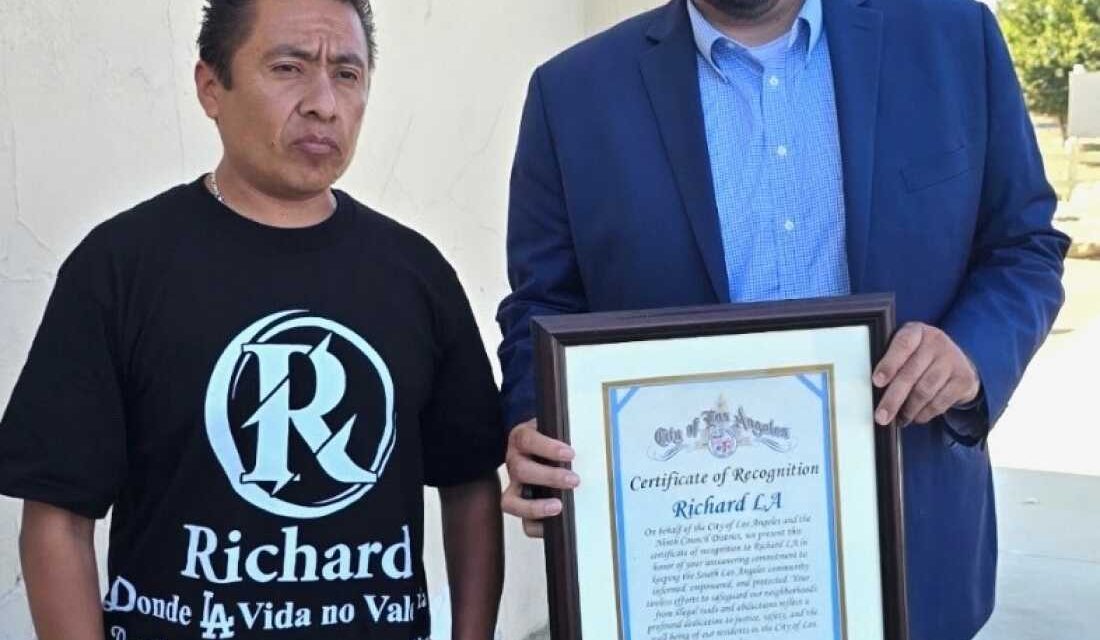
In August 2025, Carlitos Ricardo Parias received recognition from an official in Los Angeles, despite ongoing challenges in his life. His son, Ulises Parias, makes long trips to visit him at the Adelanto Detention Center in California, while keeping him updated on family matters and college life.
More than eight months ago, Parias was wounded by federal agents during an immigration enforcement operation in Los Angeles. His attorneys claim he isn’t getting proper medical care, including necessary medications and therapies. This is despite experiencing severe pain and health issues.
Parias’ health has deteriorated since the incident with federal agents.
The legal team has struggled to secure Parias’ release while his case proceeds. His situation underscores the difficulties many detained individuals face in a strained judicial system. Recent scrutiny of federal law enforcement’s use of force and poor conditions in detention centers highlights these systemic issues.
Parias, who arrived illegally in the U.S. in 2002, lived quietly for two decades, amassing a notable social media following. His documentation of immigration enforcement led to increased attention from authorities.
In October, federal agents attempted to arrest Parias, resulting in a violent encounter caught on camera. He was injured in this incident, and despite treatment, continues to suffer from ongoing health problems.
Legal charges followed, alongside a complex battle for his release. An initial dismissal of charges due to lack of adequate legal access is under government appeal. Meanwhile, his attorneys argue for his release, facing a rigid mandatory detention policy.
Efforts to secure appropriate medical care involve outreach to legislative representatives, though results have been limited. Recent budget allocations focus heavily on immigration enforcement rather than enhancing oversight or healthcare within detention facilities.
“Detention is not supposed to be punitive,” an attorney defending Parias stated, yet conditions suggest otherwise.
While all these legal maneuvers unfold, Parias’ son manages family responsibilities and holds onto hopes for a resolution. The case reflects broader policy implications on families and challenges in seeking justice.