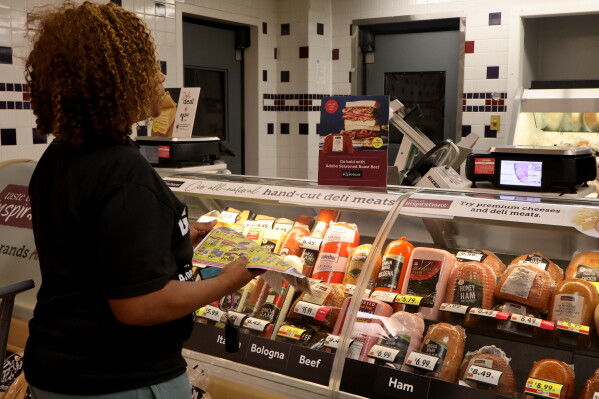
At Apral Jack’s home, dinner is influenced by sales and discounts. Jack utilizes an app to find deals before heading to her local supermarket. In the store, she checks the weekly circular for additional coupons. High shelf prices lead her to cross off items or seek alternatives. For example, when apple prices rose, she opted to purchase them from Market Basket for a better price.
Couponing and comparison shopping have become more common as grocery prices see their largest jump in 50 years. Since 2019, home food costs in U.S. cities have increased by 33%, driven by factors like the pandemic, weather events, tariffs, and global conflicts.
Rising Costs and Consumer Impact
The increase in food costs has made affordability a significant topic in political discourse. Americans see their money not stretching as far, despite average weekly earnings rising slightly faster than grocery prices since 2019. Wages once grew more rapidly than grocery costs, but now concerns extend beyond groceries to housing and utilities.
According to the U.S. Department of Agriculture, in 2024, Americans spent 12.9% of their pretax incomes on food. This figure was much higher for the lowest income households. Food costs also vary by region, with notable differences between places like St. Louis and San Francisco.
People have a well-honed sense of those prices, as much as gas, and maybe more so.— Jared Bernstein, Stanford Institute for Economic Policy
In various urban areas, consumers are altering their shopping habits. They search for discounts, change brands, and rely on food banks. Nonessential purchases like takeout coffee are reduced.
Changing Buying Habits Across the U.S.
In Texas, beef has become prohibitively expensive. The cost of a pound of ground beef soared to $6.82, rising 79% since 2019. This has led residents like Ada Torres to buy alternatives like chicken and deli meats. Her family of five now only has one full meal a day due to the high prices.
Similarly, in Massachusetts, April Jack now bases her meals on sale items. Her reliance on chicken has increased as ground beef becomes a rarity. She avoids expensive brands, focusing on sales and discounts.
Jack Chang in San Francisco struggles with financial pressure while supporting a family of five. Rising costs in living and business expenses have made budgeting for groceries crucial. SNAP assistance helps alleviate some pressure.
Meanwhile, Amanda Tabadero in Hawaii faces high costs due to shipping and local supply constraints. She purchases strawberries from Costco instead of local stores due to affordability issues. Adjustments are necessary to maintain a diet, despite cravings for traditional meals.
This examination of grocery costs highlights the adjustments faced by consumers across different regions. People develop their own strategies to navigate these challenges as they strive to feed their families amidst rising prices.