China Decoded, a newsletter from Newsweek, delves into China’s global influence. Authored by Senior Correspondent for International Affairs Didi Kirsten Tatlow and China Editor John Feng, it aims to provide in-depth analysis beyond the usual headlines. The newsletter examines Beijing’s strategies and their implications for the United States and its allies. Readers can subscribe to receive editions directly via email.
The Male-Dominated Power Structures
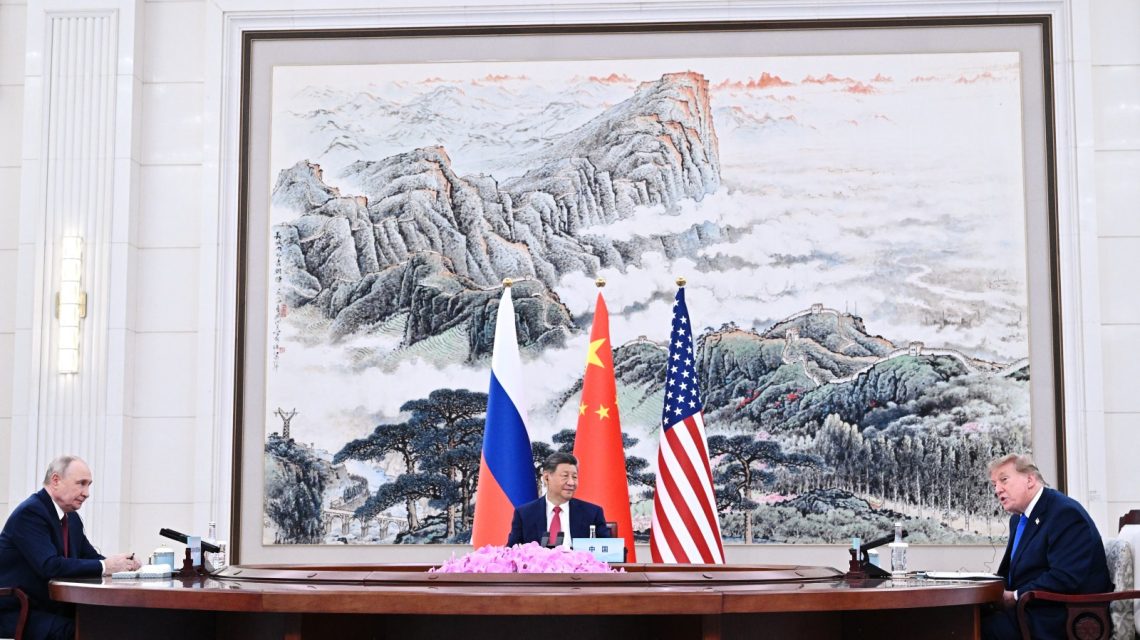
Power in China remains predominantly male, as highlighted during the Asia-Pacific Economic Cooperation (APEC) meeting in Shenzhen. Both the United States and Russia, alongside China, exhibit significant gender disparity. The meeting illustrated a broader global trend of male dominance in decision-making roles.
pìnjī sīchén
Chinese culture reflects this discomfort with female power through sayings like pìnjī sīchén (牝鸡司晨), which translates to a hen crowing at dawn, indicating disorder or ruin. The phrase originates from the ancient Book of Documents and underscores a traditional belief in maintaining order by keeping leadership male.
Women’s Positions in Power
Statistics reveal the limited representation of women at the upper echelons of China’s political sphere. Under Xi Jinping’s leadership, the inclusion of women in bodies like the Politburo has diminished. The Central Committee, although slightly better, still reflects sparse female representation.
History shows a persistent lack of women in the Politburo Standing Committee, the key decision-making body. This body has traditionally excluded women, making the advancement to top political roles challenging for females.
Current Statistics and Challenges
According to reports, six women have served in the 25-member Politburo over the years, with three being wives of senior leaders. The current Central Committee has 32 women out of 323 total seats, about 10%. These statistics reveal ongoing systemic challenges for gender equality in Chinese politics.
The Communist Party’s gender policies, as noted by Valarie Tan from the MERICS think tank, emphasize women’s biological roles over providing support for balancing professional and family life. This reflects a lack of female perspectives in policymaking, perpetuating gender inequalities.
Implications for Future Leadership
Provincial leadership, often a springboard to national politics, also sees low women’s representation. Approximately 10% of provincial party committee seats are held by women. This suggests that in the near future, national leadership will likely remain predominantly male.
Factors contributing to this situation include generational gaps, limited sectors for women’s advancement, and conflicts between career requirements and familial responsibilities. Minimum representation requirements sometimes act as ceilings, further restricting female progress in politics.
John Feng, Newsweek’s China Editor based in Taichung, continues to explore these themes and welcomes further discussion through email correspondence.
 Explosion Hits Russian Ship in Benghazi Port
 Sudden Death of Canadian Student in Turkey Raises Questions
 Ukraine’s Drone Assault on Russia and Libya
 Mark Ruffalo Faces Backlash After Criticizing Sen. Chuck Schumer
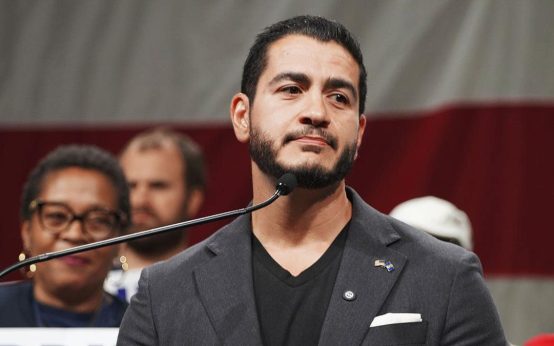 El-Sayed Questions Israel’s Identity as Democratic or Jewish State
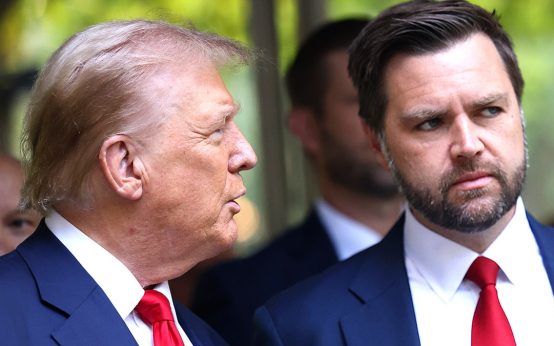 Trump Comments on Increased Iranian Drone and Missile Activity