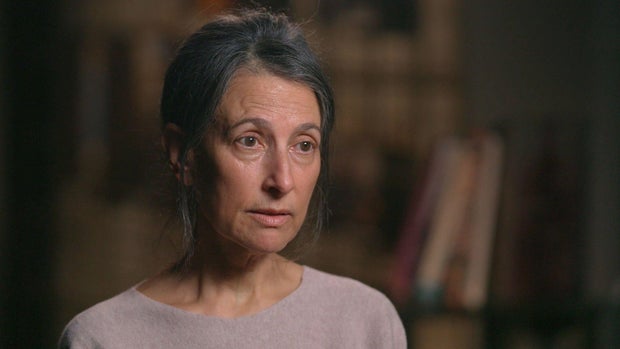
Rachel Goldberg-Polin, an American Israeli, shares her story after losing her son in the conflict between Israel and Hamas. Rachel moved to Jerusalem with her husband Jon and their three children eighteen years ago. On October 7th, her son, Hersh, suffered severe injuries and was taken hostage by Hamas.
Rachel and Jon fought hard to rescue Hersh and other hostages. Tragically, Hersh was executed on the 328th day of his captivity. Rachel now searches for ways to live in a world without her child. She describes the torment of knowing her son was tortured and starved. Despite the anguish of his captivity, those days were cherished because he was alive.
Rachel explains the internal struggle of redefining life after losing Hersh. Millions of parents have buried children, seeking solace in articulating their grief. Hersh was at the Nova Music Festival near the Gaza border when Hamas attacked, killing 378 people and wounding hundreds. Rachel recounts the moment she learned of the attack through messages from Hersh saying, “I love you” and “I’m sorry.”
Hersh was among those crammed in a bomb shelter. His friend Aner Shapira died while heroically defending the group. Hersh was severely wounded but survived the initial attack, only to be taken hostage.
Anderson Cooper recalls the moment Rachel learned about her son’s kidnapping through a harrowing video captured by a terrorist. Despite the painful revelation, Rachel felt gratitude knowing Hersh was alive. Her advocacy for hostages made her a prominent figure, meeting leaders and sharing her message of hope.
Every day Rachel wore tape marked with the number of days since Hersh’s capture, chanting words of encouragement to persevere. When Hamas released a propaganda video featuring Hersh on the 201st day, it fueled their determination. Tragically, on the 328th day, Rachel’s screams for her son were in vain, as he was murdered during Israeli soldiers’ rescue attempt.
Hersh’s funeral in Israel drew thousands who honored his memory. Desperate for details about Hersh’s last year, Rachel and Jon learned from liberated hostage Or Levy. Or shared how Hersh’s laughter and positive spirit inspired others, repeating the mantra “He who has a why can bear any how” from Viktor Frankl’s book.
Or tattooed this mantra and shared how it connected him to his “why,” his son’s name. Rachel’s “why” was discovering Hersh’s resilience, pushing her to find purpose in her grief. Or revealed Hersh’s pride in Rachel speaking to the U.S. secretary of state.
Rachel’s writing, including her book When We See You Again, explores the chronic nature of grief, allowing for hope and acceptance. Remembering Hersh, Rachel sees grief as a badge of love. She and others ended their vigil with the return of the last hostage.
Rachel and Jon took down the tape marking Hersh’s days in captivity. Anderson Cooper noted the pain and symbols of failure they felt. Rachel acknowledges their efforts, yet feels loss in not achieving their goal of recovering hostages alive.
Rachel’s efforts bring to light the enduring narrative of grief, resilience, and remembrance amidst tragedy.
 The Cost of Challenging Beijing
 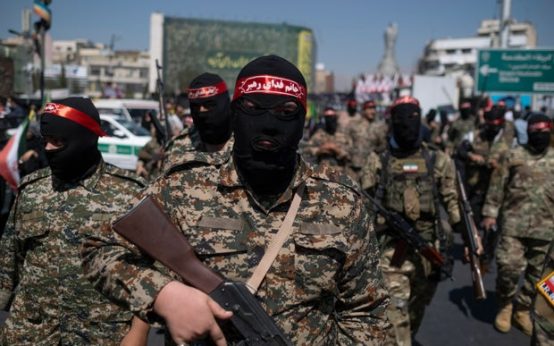 Tensions Escalate in Iran Conflict as Global Leaders Weigh Options
  White House Approves F-35 Sales to Saudi Arabia Amidst Regional Tensions
  Inside the Secret Deals Powering the President’s Push to Deport Migrants to Countries Not Their Own
  Navigating the Challenges of Third-Country Deportations
 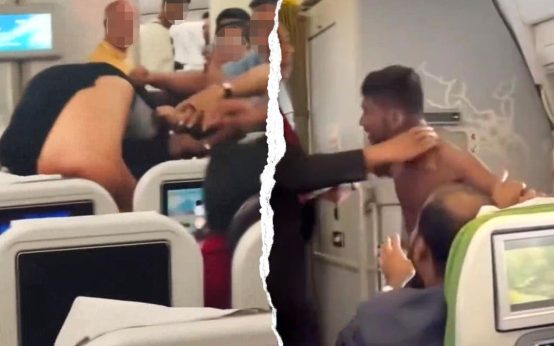 Midair Altercation on Bangladesh to London Flight