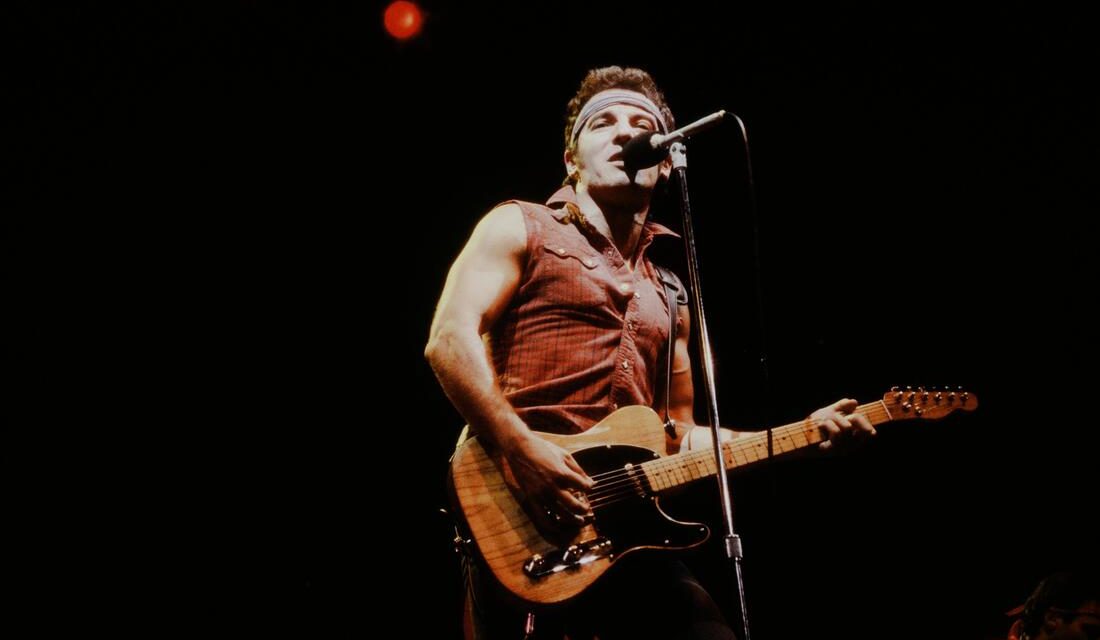
Bruce Springsteen’s “Born in the U.S.A.” remains one of the most iconic rock songs in American history. Released in 1984, it narrates the experiences of a Vietnam War veteran returning to a challenging life with few opportunities. The lyrics tell a story of struggle, yet the powerful refrain can be mistaken for pure patriotism.
The NPR American Anthem series delves into songs that Americans resonate with, shedding light on who we are. Among such songs, “Born in the U.S.A.” stands as one of the most misunderstood historically.
“He did a big benefit in the summer of ’81 for Vietnam veterans in Los Angeles and met with vets,” NPR Music director Lauren Onkey explains. “After that tour ends, there’s a number of places where he’s trying to write about the Vietnam veteran experience, so the song grows out of that moment. And it starts out as something just called ‘Vietnam.'”
The initial version, titled “Vietnam,” captures the veteran coming home only to face rejection from a job administrator, symbolizing the harsh realities awaiting many. Springsteen preserved this narrative while evolving the song to incorporate a haunting yet muted refrain of “Born in the U.S.A.”
These lines mirror the journeys of many of Springsteen’s characters — losing their way in systems that seem unattainable. The final version turned up the volume, creating a triumphant sound that belies the despair in the lyrics.
During an interview with WHYY’s Fresh Air, Springsteen explained, “The pride was in the chorus. In my songs, the spiritual part, the hope part, is in the choruses. The blues and your daily realities are in the details of the verses.”
The song’s reception was mixed, as exemplified by Chris Christie’s memory of a concert, “Bruce started every show with a rousing version of ‘Born in the U.S.A.’ It seemed like a celebration, but it’s a defiant song about ‘I was born in the USA, and I deserve better than what I’m getting.’ Many, including the president of the United States, misunderstood it.”
President Ronald Reagan referenced Springsteen in a 1984 campaign speech, seeing hope in the music rather than the embedded despair. The misunderstanding was notable, given Springsteen’s political leanings that differed significantly from Reagan’s. After Reagan’s praise, Springsteen wryly acknowledged that misunderstandings contributed to his popularity.
Springsteen’s acoustic renditions stripped the upbeat chorus, highlighting the raw narrative of the veteran. As the U.S. approached conflicts like the Iraq invasion, he performed the song as a plea for peace.
The complexity of “Born in the U.S.A.” is its lasting legacy, balancing between grim realities and hopeful pride. Onkey encapsulates the song’s impact, saying, “It describes the ambiguities and challenges of the country I have grown up in.” The distance between the song’s verses and chorus symbolizes the pursuit of bringing American dreams closer to reality.
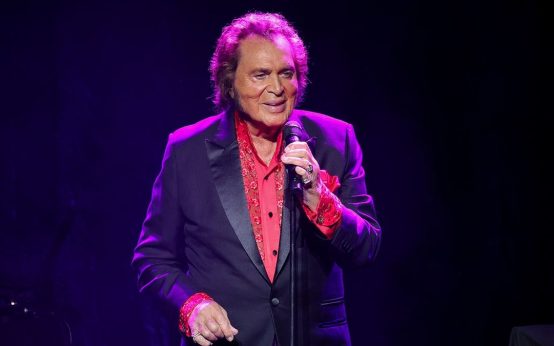 Engelbert Humperdinck Reflects on Life-Saving Shoelace During Army Service
 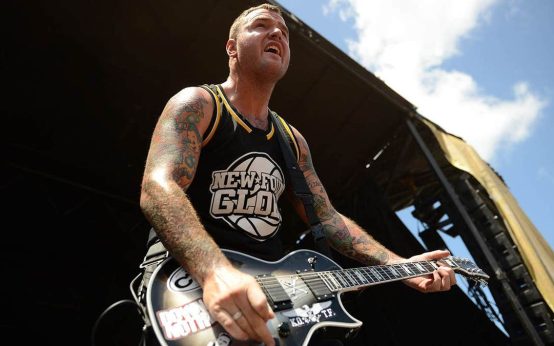 Chad Gilbert of New Found Glory Dies at 45
 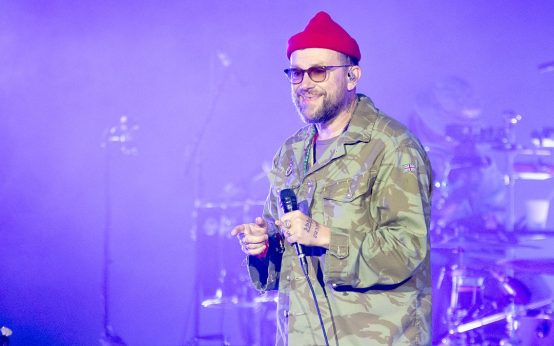 Gorillaz and Macklemore Respond to Controversy Over Israel-Palestine Statements
  Jack Osbourne Discusses Parenting Without a Nanny and Family Dynamics
  Frankie Muniz Reflects on Personal Challenges Amid Divorce
  Dakota Johnson Reflects on Career and Future Plans