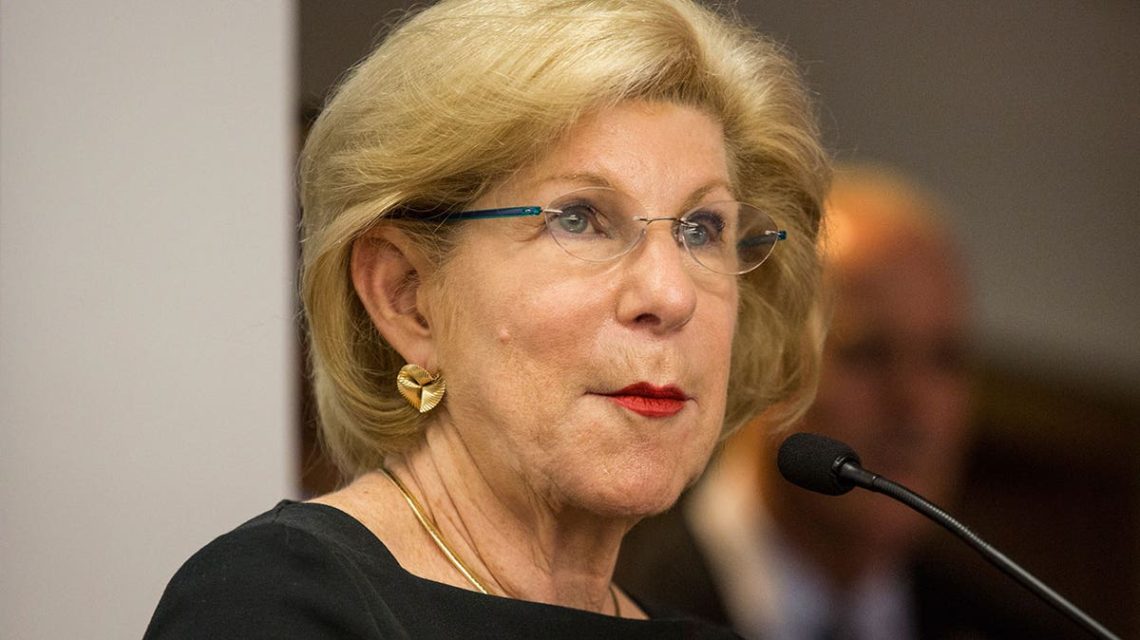
NPR legal affairs correspondent Nina Totenberg recently made headlines for mistakenly reporting the retirement of Supreme Court Justice Samuel Alito. The veteran journalist, who has worked in the field for over five decades, published a story incorrectly stating Alito’s retirement before quickly retracting it with an editorial note acknowledging the error. This mistake is one among several controversies Totenberg has faced throughout her career.
The Early Controversies
In 1972, while working for the National Observer, Totenberg was fired for plagiarism. The Columbia Journalism Review detailed the incident, noting she had copied content from a Washington Post report on former House Speaker Thomas P. O’Neill without providing attribution. Totenberg admitted her mistake, emphasizing that young reporters should learn from errors to avoid repeating them.
In 1987, Totenberg came under fire from Legal Times reporter Aaron Freiwald for not crediting him in a story about Supreme Court nominee Douglas Ginsburg. According to Freiwald, Totenberg’s account closely mirrored information he had shared with her. This led to significant dissatisfaction on Freiwald’s part.
Challenges in the 1990s
The 1990s presented further challenges for Totenberg. In 1992, prominent Republicans criticized her for reading portions of Anita Hill’s confidential affidavit on air, which almost derailed Clarence Thomas’s Supreme Court nomination. Her interaction with Republican Senator Alan Simpson during a Nightline debate became heated, highlighting tensions with conservative critics.
In 1995, Totenberg faced backlash for comments about Republican Senator Jesse Helms. She suggested that Helms, who wanted to cut AIDS research funding, could experience retributive justice by contracting AIDS. Reflecting on the comment later, Totenberg expressed regret and accepted the long-term consequences of her words.
Friendship with Ruth Bader Ginsburg
Totenberg was thrust into the spotlight again in 2020 after Justice Ruth Bader Ginsburg’s death. Her obituary revealed a close friendship with Ginsburg, sparking discussions about potential conflicts of interest. Critics argued such relationships could undermine journalistic objectivity. Despite frequent reporting on the Supreme Court, Totenberg rarely disclosed her friendship with Ginsburg, a point underscored by journalist Paul Farhi.
Poynter Institute media writer Tom Jones emphasized the need for journalists to maintain emotional distance from their subjects. Jones argued that Totenberg should have recused herself from covering Ginsburg to preserve professional integrity.
Recent Issues
In 2022, Totenberg’s reporting on Justice Neil Gorsuch’s alleged refusal to wear a mask during the omicron variant surge drew criticism. Despite her claims of sourcing from ‘court sources,’ both Justices Gorsuch and Sotomayor refuted the report, stating no such mask request occurred. NPR maintained support for Totenberg’s reporting despite Fox News’ Shannon Bream contesting its accuracy.
Totenberg remains a prominent figure in media, her career marked by significant work but also by frequent controversies that invite scrutiny.
 Implications of Paramount’s Acquisition of Warner Bros. Discovery on CNN
  Trump Launches ‘Trump TV’ Amidst Controversy Over Media Ban
  Trump’s Media Ban Affects Event Coverage
  ESPN Responds to Racial Bias Accusations by Former Employee
  White House Introduces ‘Trump TV: The Essentials Station’
  Media Organizations Sue Trump Administration Over Access Restrictions