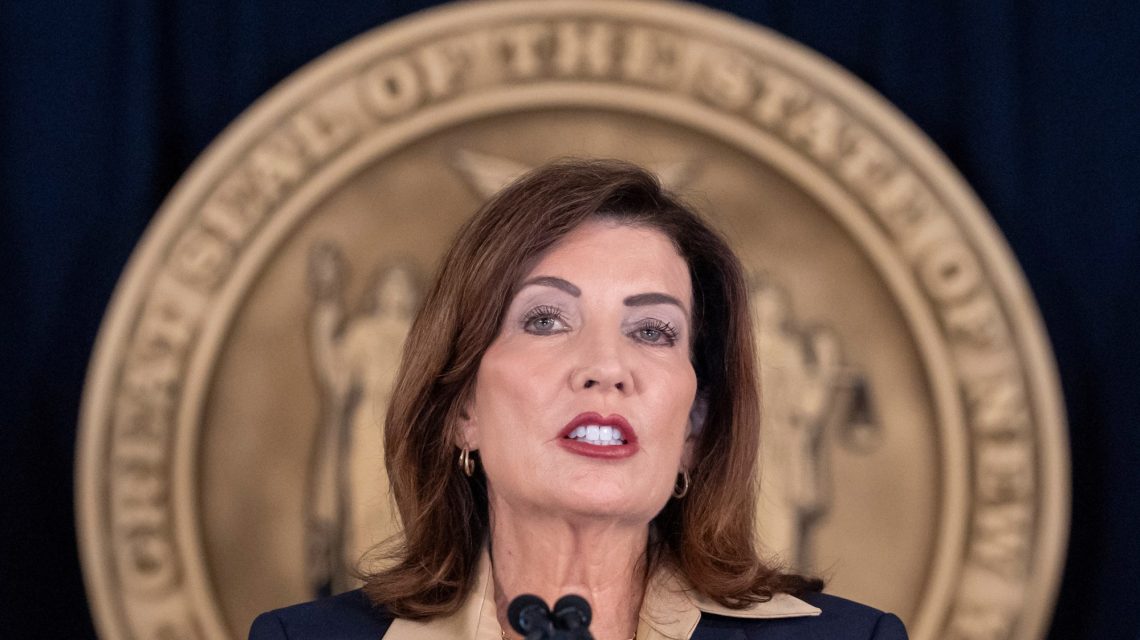
New York Governor Kathy Hochul announced new regulations aimed at controlling AI chatbots, particularly those interacting with children. The legislation, signed recently, specifies twelve ‘unsafe AI companion features’ that are now prohibited for chatbots engaging with individuals under 18 years. Developers found in violation may face lawsuits from the state attorney general’s office, which could lead to monetary penalties, chatbot shutdowns, and data destruction. The law becomes effective on January 1.
This action reflects rising concerns about AI’s rapid development and its potential existential risks. With minimal federal regulation, states like New York and California are stepping up to enhance transparency and restrict AI deployments. California has enacted similar measures, mandating risk assessments for chatbots and banning addictive features for users under 16.
Eight states recently sued OpenAI, alleging its chatbot model contravened state consumer protection laws, negatively impacting children and deceiving adults. Despite individual efforts, governors acknowledge federal intervention as more impactful in addressing AI threats. However, federal response remains limited, with former President Trump advising states against AI regulations.
Under New York’s legislation, chatbots must avoid pretending to be real individuals, expressing emotions or opinions, or forming perceived relationships with children. Messages including flattery, sexually explicit content, or encouraging secrecy or unhealthy behavior are also banned. Jim Steyer from Common Sense Media praised New York’s law as a leading AI safety measure for children.
California and New York’s regulatory methods could serve as models for other states, noted Justine Gluck of the Future of Privacy Forum. The dynamic nature of chatbot regulation reflects the shift from simple disclosures to addressing chatbot design and operational practices. However, New York’s broad and undefined categories may present enforcement challenges, according to Gluck.
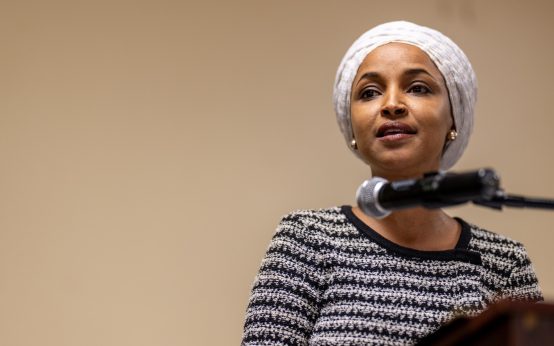 House Democrats’ Response to Federal Investigation of Ilhan Omar
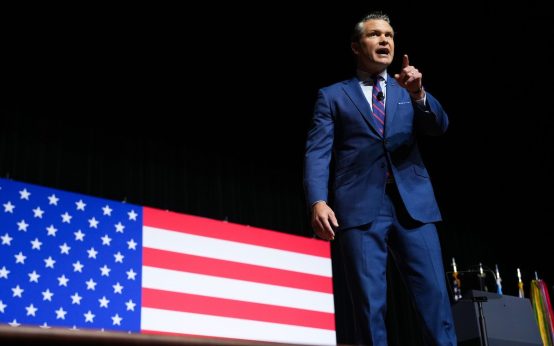 Restructuring the Pentagon: Key Military Departures Under Defense Secretary Pete Hegseth
 U.S. Army Prepares for Mass Burial in High-Casualty Situations
 Political Campaigns and Personal Attacks
 Record Breaking Spending in Midterms Reflects Intense Political Battle
 California’s Political Crossroads: Steve Hilton vs. Xavier Becerra