A recent Federal Aviation Administration (FAA) staffing requirement for air traffic control towers employing the long-established Line Up and Wait (LUAW) procedure was implemented as the Thanksgiving travel season commenced. This adjustment mandates a dedicated watch-supervisor role that must not be mixed with other duties, in order to bolster runway safety.
LUAW directs pilots to taxi and align on a departure runway, awaiting a separate clearance for takeoff. It does not authorize the plane to initiate its takeoff roll. The Air Traffic Control towers conducting LUAW operations must adhere to these staffing requirements as per FAA Notice JO 7210.979, effective from Tuesday.
The FAA issued this notice on October 9, 2026, and the rule took effect on November 24. The FAA aims to elevate the safety standards by removing ambiguities in previous requirements, changing ‘should’ to ‘must,’ establishing a mandatory supervision position.
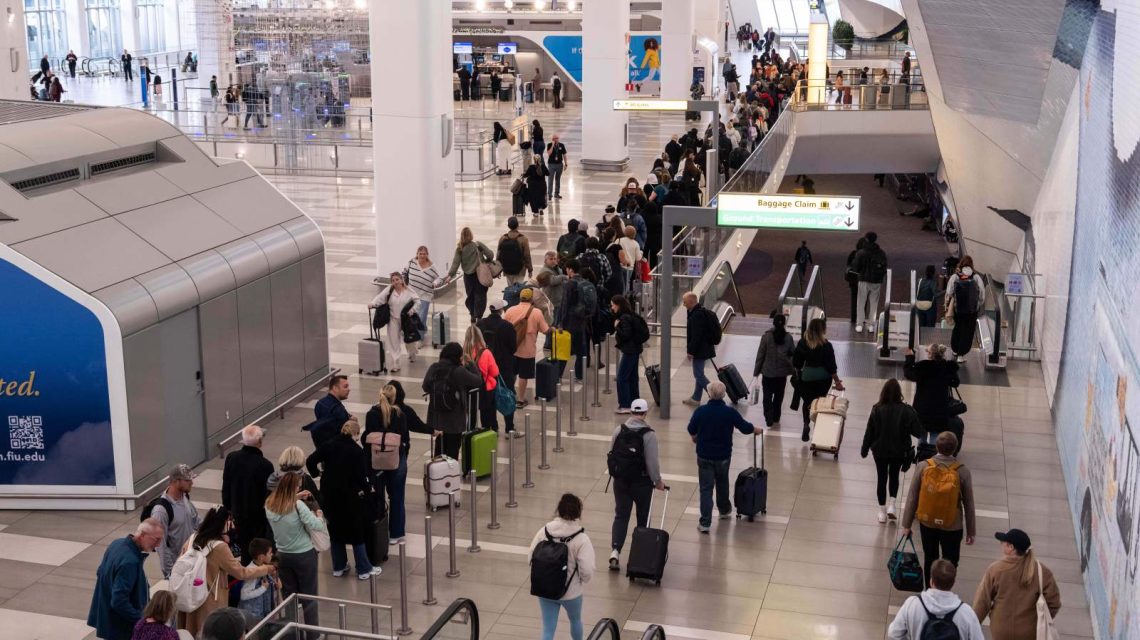
The implementation arrives as nearly 81.8 million Americans plan to travel 50 miles or more from home during the Thanksgiving holiday, with six million flying, according to AAA.
Reactions and Concerns
Sheldon Jacobson, a professor at the University of Illinois Urbana-Champaign, voiced concerns over the timing, questioning the enforcement during such a busy travel period rather than during quieter times. He noted the procedure’s potential for minor efficiency improvements by saving seconds on each takeoff, though inclement weather could compromise such benefits.
Effects on Air Travel
Anton Radchenko, CEO of AirAdvisor, indicated that LUAW aids in managing busy runway departures efficiently. However, the necessity of a standalone supervisor might challenge short-staffed towers, causing longer queues for take-off at congested airports.
Radchenko emphasized that passengers might notice longer wait times on the plane before takeoff, potentially leading to subsequent delays. Although tarmac-delay protections apply, airlines generally are not obligated to provide compensation for air traffic control delays.
Recommendations for Travelers
Radchenko suggested travelers opt for early flights and allow extra time for connections during the holiday season. In case of delays, travelers should inquire in writing whether the delay is due to air traffic control, affecting potential compensation.
Nationwide Ground Stop
The new requirement follows a series of unrelated technical failures that resulted in a nationwide ground stop. On November 13, the FAA encountered a telecommunications issue that caused an overload, affecting connections, radar feeds, and subsequent air travel operations.
The disruption was linked to work on new routers by FAA network contractor L3Harris, with 17 air centers impacted. The issue was not attributed to a cyberattack according to U.S. intelligence. The FAA has since paused further installations of the implicated equipment pending investigation.
 Tragic Collision Involving Citi Bike Rider and SUV in Manhattan
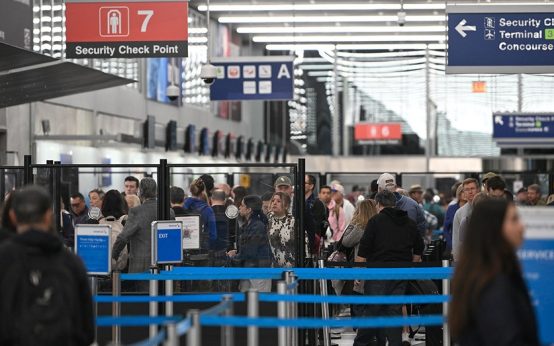 TSA and FAA Ready for Thanksgiving Travel Spike
 Controversy Surrounds Detention of Princeton Ph.D. Student
 U.S. Army to Detonate Volatile Explosive in Iowa
 Florida Attorney General Seeks to Revoke Doctor’s License Over Suspected Illegal Abortions
 Plane Crash Investigation Near Mississippi Coast