The COP climate summits have consistently set ambitious goals. Yet, follow-through often falls short. As developed countries face financial pressures, commitments to climate funding for the developing world are dwindling despite the urgent appeals for fairness.
Developing countries face a critical juncture with the crisis in the Strait of Hormuz. Indonesia, with nearly 300 million residents, highlights this vulnerability. Prior to the crisis, 60% of Southeast Asia’s crude oil imports and a third of its gas imports originated from the Middle East. This reliance on fossil fuels proved costly, both immediately and as a factor in rising seas and devastating wildfires, exacerbated by a strong El Niño.
For years, climate negotiations faced a dilemma. While using affordable fossil fuels made economic sense for countries, the global impact was disastrous. The Hormuz crisis has shifted perceptions. Reliance on imported fossil fuels is now financially unsustainable. Renewable energy is a priority for economic security and national self-sufficiency.
Some argue that renewables have been economically viable for years. They may overlook the complexities of replacing entire energy systems and shutting down fossil-fuel infrastructure. Developing nations face the challenge of balancing these costs with urgent needs for poverty reduction and industrialization, all reliant on affordable, stable energy.
This predicament underscores the shortcomings of the COP process. Even with full commitment, development banks and aid cannot supply the $1.3 trillion needed annually by 2035 for developing nations. The private sector must contribute to renewable energy initiatives that yield revenue. Yet, capital costs in developing countries are prohibitively high, often two to three times those in wealthy nations.
A flawed system overvalues the risks of investing in developing countries. Reforming the global financial architecture is essential, although time is short. Developing countries now contribute over half of global emissions, which continue to rise. Larger emerging economies must spearhead capital mobilization. Indonesia’s support of the Tropical Forests Forever Facility exemplifies efforts to attract private investment in forest protection. Further action is necessary, utilizing financial resources effectively.
In 2025, Indonesia established Danantara, a sovereign wealth fund managing nearly $1 trillion in state assets, to support its energy transition. The program aims to add 100GW of solar power, exceeding the current 88GW installed nationwide. Danantara will attract private investment into projects like converting municipal waste into electricity. Skepticism about these ambitions exists, but the scale of this investment is crucial for a green transition aligned with national goals.
In December, Danantara will play a key role at the New Asia Forum, leveraging public capital to draw private investment in clean energy across Indonesia and Southeast Asia, reducing risks for international investors. The goal is not to fund everything but to make energy transitions financially viable under global market conditions.
Developed countries still bear responsibility. Financial divisions can preserve grants and concessional financing for areas with limited direct financial return, such as climate change mitigation projects. Better flood management in Semarang, for instance, protecting homes and livelihoods, offers little investor return.
While Indonesia can harness its financial strength, smaller developing nations may lack similar resources. For them, concessional support remains critical. Developed nations must honor commitments like Belém’s call to triple adaptation finance by 2035.
Developing nations cannot wait for global financial system reforms to pursue their green transition goals. Nor can the world delay climate action for reform. Progress in both areas must happen simultaneously.
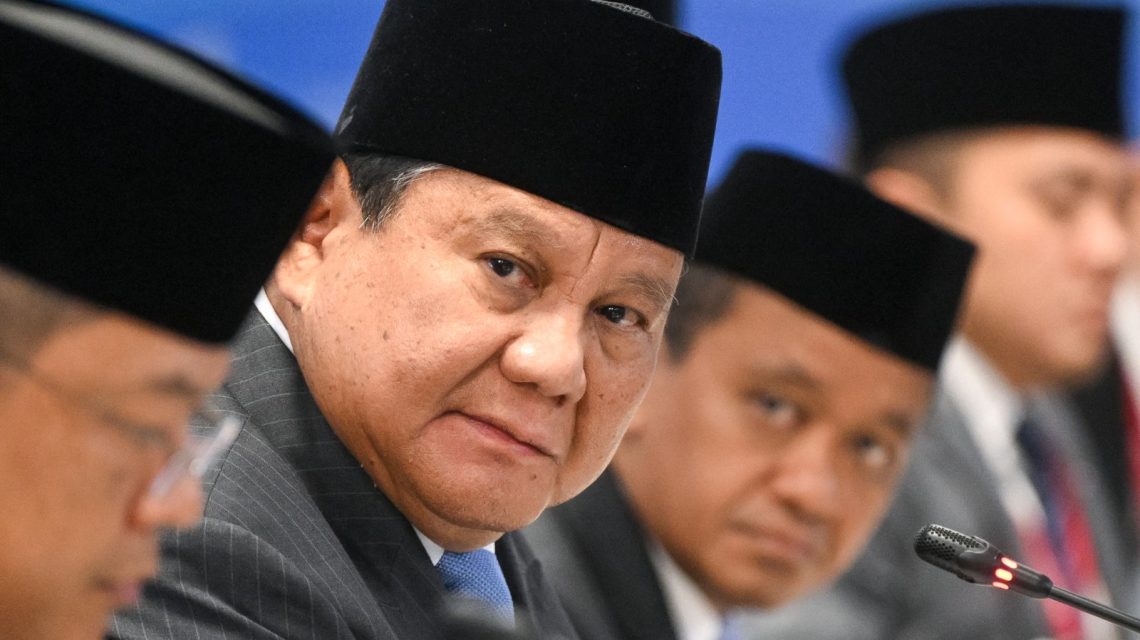
Prabowo Subianto is the President of Indonesia. The views expressed in this article are his own.
 Spy Scandal, Hegseth’s Future, and the Iran Conflict
 Search for Missing Marella Voyager Passenger Suspended by US Coast Guard
 Criticism Arises as Iran Retains U.N. Committee Seat
 Changes in North Korea’s Constitution
 Alice Huang Banned from Singapore Amid Allegations
 U.S. Envoys Hold Talks with Putin Amid Ongoing Russia-Ukraine Conflict