
The term ‘Blue MAGA’ has gained traction in political discourse, yet its meaning remains flexible, often left to the interpretation of those who use it. However, it is intended as a criticism rather than a compliment.
Supporters of Claire Valdez, a candidate with democratic socialist views, celebrated her primary success in June. This victory, coupled with certain reactions from the Democratic Party, has contributed to the emergence of ‘Blue MAGA.’ The term merges the Democrats’ color with the emblematic slogan ‘Make America Great Again’ from President Trump, creating a stark connotation.
In the digital space, ‘Blue MAGA’ is a term used by young progressives. These individuals tend to show skepticism towards traditional party politics. Polls indicate a broader trend among Generation Z, who often share this sentiment. To many within this demographic, older liberals present a problem akin to that which Trump and his followers represent.
Hasan Piker, a well-known progressive streamer, has spoken about ‘Blue MAGA.’ He sees it as a label describing a misplaced loyalty to the Democratic establishment. According to Piker, ‘Blue MAGA’ differs from traditional MAGA because it lacks a central figure. Instead, it adheres to an image crafted by party consultants and lobbyists.
While not a perfect parallel, many progressives find this comparison effective. Social media platforms, which favor broad and easily tagged terms, further propagate this view. Piker highlights how ‘MAGA’ places power with Donald Trump, while ‘Blue MAGA’ leaves it with a neoliberal Democratic framework that offers limited prospects for change.
This perception has fueled tensions between far-left progressives and more moderate Democrats. The sense of hostility is mutual, creating friction within the party.
 The Impact of Arts and Closure on Democracy
 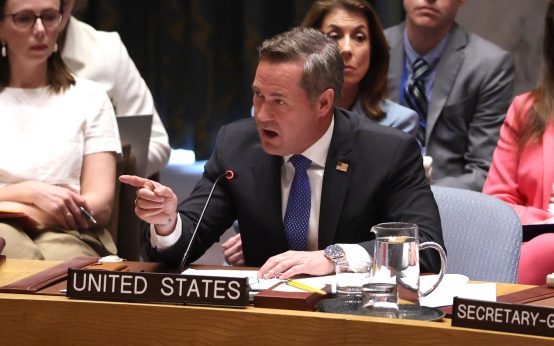 U.S. Ambassador Comments on Iran War Duration Amid Political Concerns
 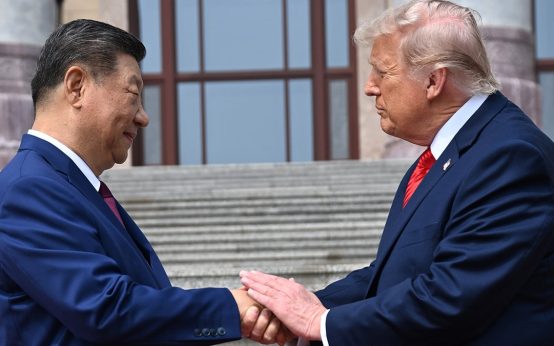 US-China Relations Under Scrutiny: Expert Warns of Escalating Tensions
  No Timeline for End of Iran Conflict
  German Chancellor Merz Vows to Pursue Reforms Despite Election Setbacks
 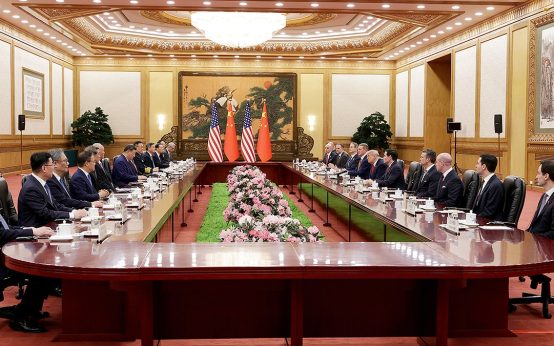 The Technology Rivalry: Trump’s Meeting with Xi and the AI Ecosystem Clash