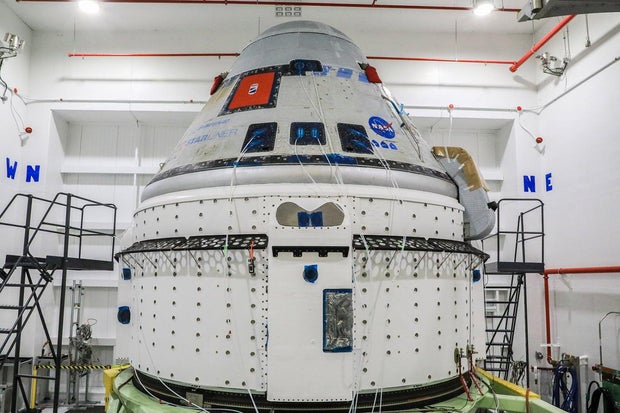
NASA is collaborating with Boeing to launch an unmanned Starliner capsule between December and January to test improvements following propulsion failures in 2024. These issues left two astronauts on the space station for over nine months. Successfully completing this test could pave the way for a piloted Starliner mission by mid-2028. This mission will integrate revamped propulsion valves and more robust subsystems to prevent past failures.
Currently, SpaceX’s Crew Dragon is the only operational U.S. spacecraft carrying astronauts. NASA aims to reintegrate Boeing’s spacecraft to ensure a steady U.S. capability to transport crew and researchers to the International Space Station (ISS) until its planned retirement in 2030. Additionally, Boeing’s Starliner is being certified for future commercial space station flights after the phase-out of SpaceX’s Falcon 9 rockets and Crew Dragon spacecraft.
It’s always been the Commercial Crew Program’s goal to have two crew transportation providers to ensure commercial access to low Earth orbit,said Dana Weigel, manager of NASA’s low-Earth orbit operations.
The need for Boeing’s certification grows as SpaceX’s future plans do not include the Falcon and Dragon. Certifying the Starliner is crucial for ongoing ISS support and future commercial ventures.
Boeing announced enhancements to Starliner’s hardware for human spaceflight, supporting its long-term role in crewed missions. This follows a 2024 mission where astronauts Barry Wilmore and Sunita Williams faced propulsion system failures during what was intended to be a 10-day ISS test flight.
Multiple helium leaks and thruster issues forced them to stay for an extended mission, only returning aboard a SpaceX Crew Dragon after 286 days instead of the planned 10-day mission. NASA’s investigation identified critical issues with the Starliner, including thruster failures, helium leaks, and a lack of redundancy in the flight system.
To solve these problems, Boeing is replacing valves in the maneuvering thrusters and redesigning thruster poppets. Other updates include a faster flight data recorder, new batteries, and enhanced parachutes. The upcoming unpiloted mission, Starliner 1, will thoroughly test and demonstrate these upgrades through a series of on-orbit assessments.
Our goal is to fly Starliner One as soon as the vehicle and the team are ready,said Weigel.We really need to see how those thermal modifications perform on the spacecraft.
Boeing is committed to gaining Starliner certification, ensuring commercial crew access to low Earth orbit. United Launch Alliance (ULA) plans to transition from Atlas 5 rockets to their Vulcan rocket for future Starliner launches. ULA has expressed its dedication to providing long-term human spaceflight launch capabilities.
Both NASA and ULA emphasize ongoing collaboration to integrate and certify the Vulcan rocket for human spaceflight, reflecting a shared commitment to the continued success of U.S. space missions.
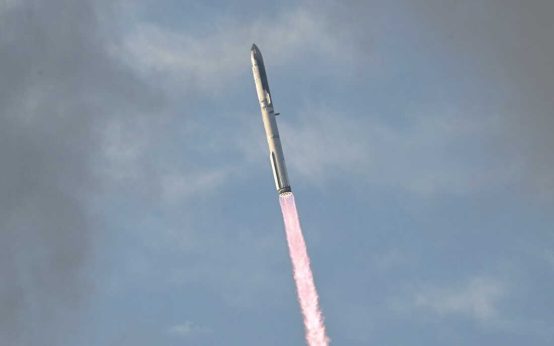 SpaceX Starship Completes Orbital Test Flight and Satellite Deployment
 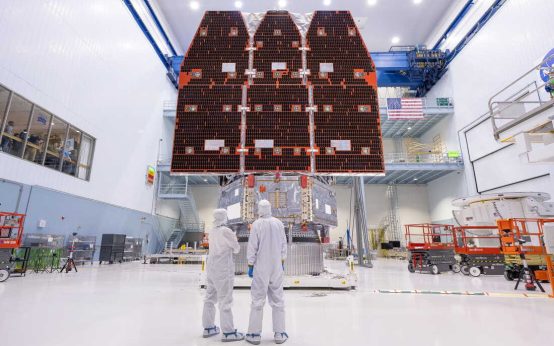 NASA’s Challenges Amid Goddard Space Flight Center Relocations
  Lost City Linked to Jesus Discovered Near the Sea of Galilee
  NASA’s Launch of the Nancy Grace Roman Space Telescope
 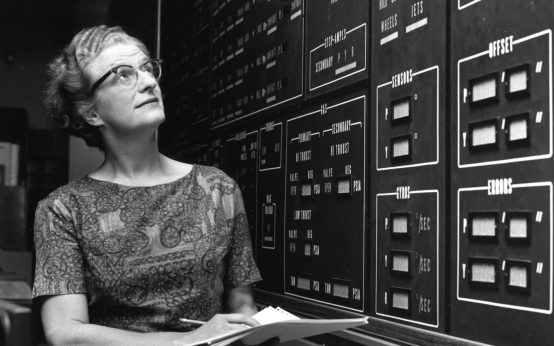 NASA Launches Nancy Grace Roman Space Telescope to Explore Universe’s Mysteries
 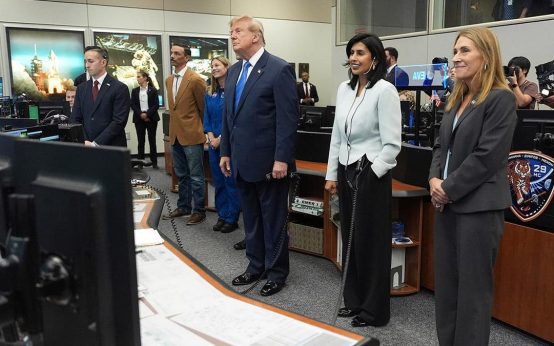 Trump Engages with Astronauts and Honors Artemis II Crew