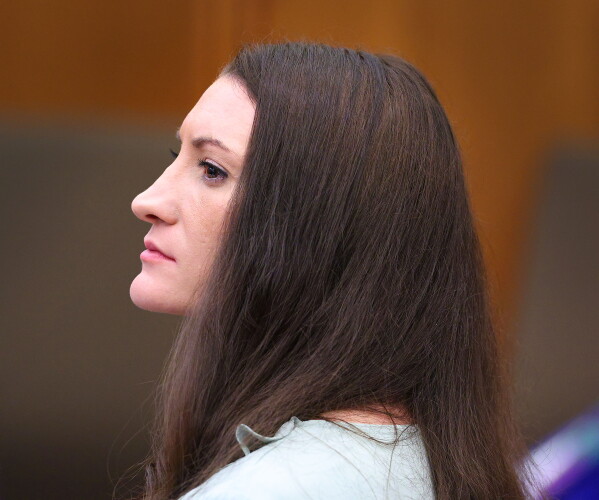
In recent developments from a high-profile murder trial in Boston, Lindsay Clancy’s tumultuous battle with mental health issues has come into sharp focus. Clancy, who is accused of killing her three children and attempting suicide, sought help repeatedly in the months leading to the tragedy, according to testimonies.
During her trial, Susan Clancy, the former mother-in-law of Lindsay Clancy, testified about Lindsay’s struggles. Susan described her as a caring mother who was open about her mental health challenges. Texts shown to the jury reveal Lindsay’s fears of medication dependency, specifically benzodiazepines, which she relied on for sleep.
The trial debates whether Lindsay Clancy should be held criminally responsible. The defense argues she suffered from postpartum psychosis, a serious mental illness postpartum, while the prosecution maintains she knowingly planned the children’s deaths.
Additional testimony came from Lindsay’s own family. Her mother, Paula Musgrove, shared observations of her daughter’s increasing paranoia and fear, staying with Lindsay for support. Her sister, Allison Ozga, provided similar accounts, noting Lindsay’s daily suicidal thoughts in late December.
Musgrove recounted a moment in December when Lindsay admitted to having thoughts of harming her children, emphasizing the distress and confusion Clancy experienced. Prosecutors assert that despite these claims, Lindsay meticulously premeditated the tragic events of January 24, 2023, allegedly deceiving her husband to leave the house at that time.
Lindsay’s attorney, Kevin Reddington, emphasized her mental instability, exacerbated by postpartum conditions and mismanaged medications. The defense presented evidence of her pursuit for mental health treatment, including a brief hospital admission. However, inconsistency in her treatment and overmedication, as argued by the defense, contributed to her deteriorating condition.
Prosecutors cast doubt on the severity of Lindsay’s actions, citing normal activities on the day of the incident as evidence of her awareness. They questioned the authenticity of her suicide attempt, referencing texts and photos from that day.
The trial has been emotionally charged, heightened by Patrick Clancy’s heart-wrenching testimony about discovering his children and the distressing 911 call played in court. The outcome holds serious implications for both legal accountability and mental health awareness. A conviction could lead to life imprisonment, whereas a not guilty verdict for lack of criminal responsibility would result in commitment to a mental health facility.