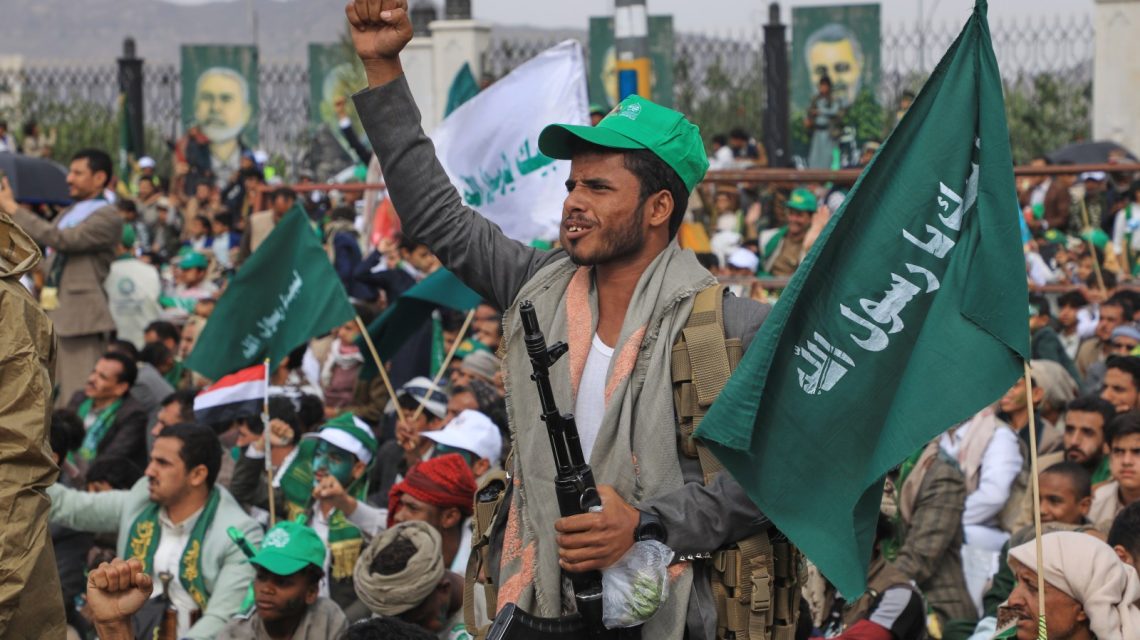
Helmuth von Moltke the Elder, a Prussian strategist from the 19th century, is often quoted for his military wisdom. His famous maxim is that no battle plan survives its first encounter with the enemy. The conflict in the Middle East illustrates this point dramatically for President Donald Trump, especially through the actions of Yemen’s Houthi movement.
By traditional measures of power, Ansar Allah, or the Houthis, appear to be underdogs. They are a non-state group from an impoverished nation facing richer and militarily powerful adversaries. Despite this, the Houthis complicate the region’s complexities for the U.S. Their recent offensive has included attacks on Saudi cities and seizing key areas along the Red Sea, challenging the U.S. administration further.
Strategic Chokepoints in Conflict
For the past six months, global attention stressed over the Strait of Hormuz. Now, another critical passage comes into focus: the Bab el-Mandeb Strait. The Houthis seized the Red Sea port of Mokha and Mayun Island. Mayun Island’s position in Bab el-Mandeb makes it strategically important for global trade, with about 12% passing through.
Even before Operation Epic Fury, Bab el-Mandeb was risky. Between November 2023 and October 2025, Houthi attacks affected vessels from over 60 countries. The recent seizures provide Houthis with a significant location within this chokepoint. This development offers Tehran more leverage over Washington.
Data from the U.S. Energy Information Administration shows a stark shift. Oil flows through Hormuz fell from 21.6 million barrels per day in late 2025 to 4.9 million by mid-2026. Meanwhile, flows through Bab el-Mandeb rose from 5.4 million to 8.1 million barrels per day, as Saudi Arabia redirected supplies.
Last month, Iran’s Supreme National Security Council set conditions for reopening Hormuz. A halt to attacks on its allies was one condition. Now, Iran looks to involve Yemen in any U.S. negotiations.
Saudi Arabia Faces Increased Pressure
The Houthis’ recent actions heighten stakes for Saudi Arabia. Already strained by Hormuz disruptions, Saudi crude production hit a 33-year low of 6.2 million barrels daily in August. As Houthi strikes hit Saudi cities, more challenges arose, including damage to key oil infrastructure. Saudi Arabia previously joined the Mecca Joint Defense Agreement with Turkey and Pakistan, forming a new alliance.
However, when missiles hit Saudi cities, Crown Prince Mohammed bin Salman turned to the U.S., asking for retaliatory action against the Houthis. Instead, President Trump offered intelligence support. The Mecca pact, though new and still evolving, highlights Saudi Arabia’s reliance on U.S. support, despite regional aspirations for greater security autonomy.
 The Cost of Challenging Beijing
 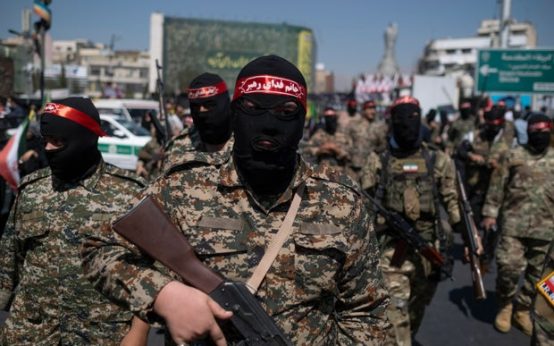 Tensions Escalate in Iran Conflict as Global Leaders Weigh Options
 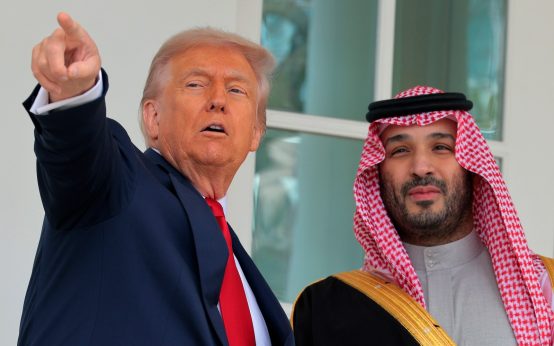 White House Approves F-35 Sales to Saudi Arabia Amidst Regional Tensions
  Inside the Secret Deals Powering the President’s Push to Deport Migrants to Countries Not Their Own
  Navigating the Challenges of Third-Country Deportations
 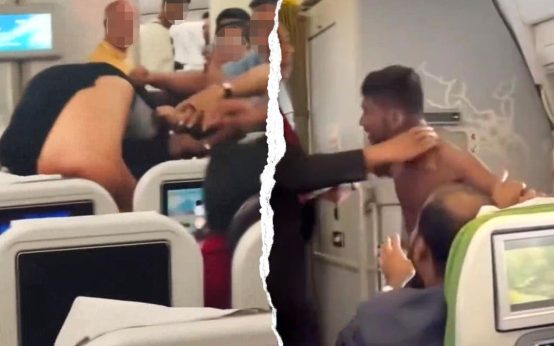 Midair Altercation on Bangladesh to London Flight