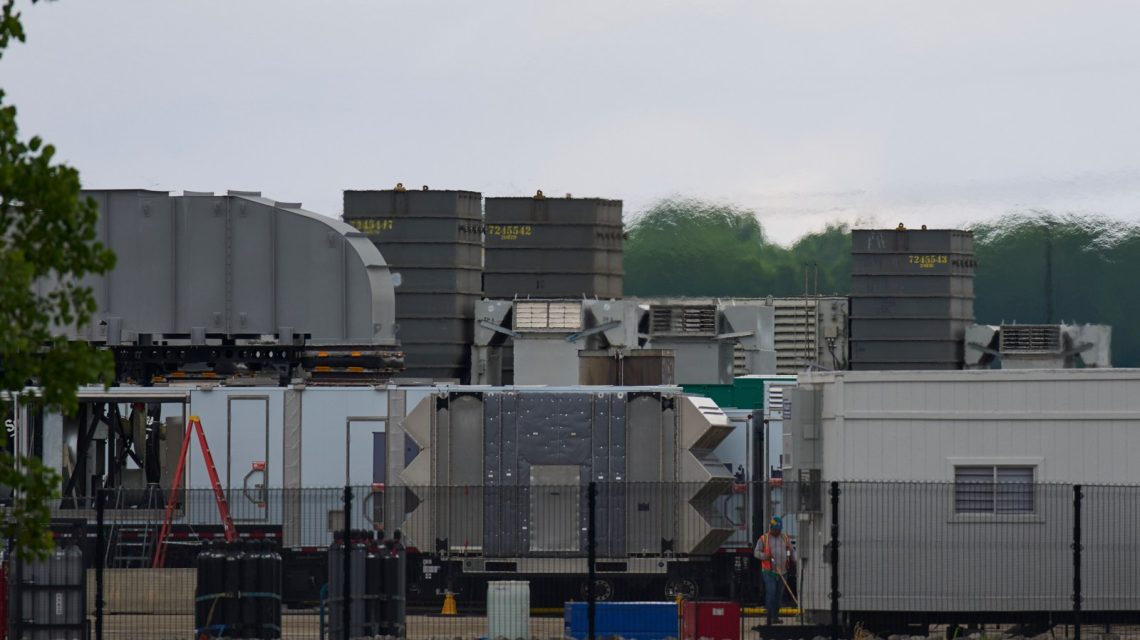
Memphis officials are contemplating a potential pause in new data center developments as tensions rise around this burgeoning industry. The focus includes Elon Musk’s significant artificial intelligence operation. The Memphis City Council will discuss a proposed year-long halt on new data centers and existing facility expansions. This follows a chaotic previous meeting, noted for protests and a fight outside the council chamber.
The incident on October 6 involved a 7-5 vote to delay action on the moratorium. Protesters responded with chants as police cleared the chamber. Two women later clashed in the City Hall lobby, but police reported no injuries or detentions.
Tuesday’s agenda extends beyond a singular vote. Six items related to data centers will be reviewed, including the initial moratorium and alternatives on regulation. Some proposals are incompatible as they stand, leading to uncertainty about the final outcome of the meeting.
Many cities across the nation are grappling with the challenges posed by AI-related infrastructure demands, including high energy, water, and infrastructure use.
Elon Musk’s Impact on Memphis
At the core of Memphis’s deliberations is SpaceXAI, part of Elon Musk’s enterprise, and its Colossus supercomputer facilities. These have positioned the city at the forefront of national debate over AI infrastructure.
The company initiated the transformation of a former industrial site in southwest Memphis into the Colossus supercomputer in 2024. Musk has called it the “most powerful AI training system worldwide.” However, this development has sparked ongoing opposition over environmental and quality of life concerns.
Resident concerns focus on air quality, alongside water and energy use, and noise. The company’s choice of gas-powered turbines is particularly contentious. The NAACP filed a federal lawsuit concerning air quality at the Southaven, Mississippi site. Despite the Justice Department’s recommendation to dismiss the suit, it remains active.
Council member JB Smiley Jr., who supports the moratorium, clarified the measure aims to provide time for establishing protective regulations rather than permanently barring data centers. He said, “We’re not saying no to data centers forever; we’re saying slow it down…to protect neighborhoods and property value…ensure there’s not a detrimental impact on the environment.” If enacted, the moratorium would halt new projects while a committee creates regulations. Existing legal operations in Memphis would continue.
Memphis Mayor Paul Young separately ordered a 90-day review to develop recommendations for regulating large-scale data centers. This process will not hinder the council’s actions.
Public Debate Intensifies
The dispute reached public ear at the October 6 council meeting, with votes for a moratorium delay leading to protests and a fight in City Hall’s lobby. Action News 5 reported on the incident, and police confirmed no detentions or injuries. Councilwoman Yolanda Cooper-Sutton also engaged in confrontations with the crowd, criticizing Smiley.
As the meeting approached, reporters noticed a growing line of attendees outside City Hall. Memphis’s ultimate decision could not only influence local data center growth but also the regulatory framework for a key AI infrastructure hub.
This story involved contributions from Newsweek reporters and editors using Martyn, their AI assistant. For editorial contact: Edward T. Cummins.
 Remote Work and Social Connections
 Social Media Platforms Face Hefty Lawsuits in 2026
 Can Existing Laws Tackle AI Development?
 VPN Usage and Security Checks: Solutions and Tips
 Explore Apple’s First Smart Home Display: Apple HomeView
 The Potential Impact of AI on Economic Dynamics