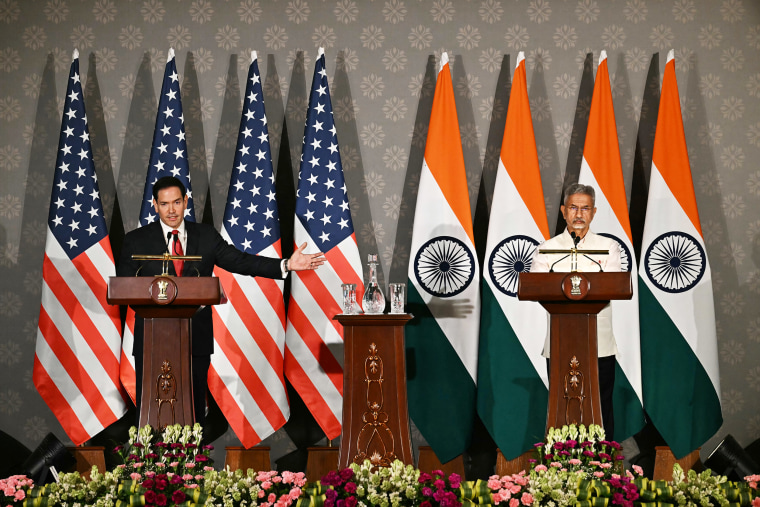
Summers in New Delhi can be harsh, even for those accustomed to the heat, such as Floridians. Secretary of State Marco Rubio arrived in India and was greeted with scorching temperatures exceeding 100 degrees. His four-day trip involved meetings with Indian Prime Minister Narendra Modi and foreign ministers from India, Australia, and Japan. A midday tour of the Taj Mahal attracted sympathy from social media users worried about Rubio coping with the heat.
Rubio humorously acknowledged the heat during the inauguration of the new U.S. Embassy building in New Delhi, stating, “I wanted to keep this brief because it’s hot. It’s hot.” Rubio described the difference between Miami’s humid heat and New Delhi’s dry heat.
Rubio and Indian Foreign Minister Subrahmanyam Jaishankar met in New Delhi, discussing the strained U.S.-India relations, particularly due to tariffs on Indian exports. Despite an interim trade agreement, energy disputes linger.
His visit coincided with critical discussions for the Indo-Pacific alliance, also known as the Quad, which includes the U.S., India, Australia, and Japan. Rubio announced initiatives related to maritime surveillance and port infrastructure, emphasizing that 60% of global maritime trade passes through the Indo-Pacific.
China responded by stating that cooperation between countries should not target third parties and should foster mutual trust. Rubio and his wife, Jeanette, also toured Jaipur and visited sites such as the Amber Fort, facing even higher temperatures there.
Their itinerary included paying respects at Mother Teresa’s resting place in Kolkata and posing for pictures at the Taj Mahal. The intense heat in India led to rising fuel prices, impacted by Iran’s shutdown of the Strait of Hormuz.
Rubio shared that discussions included the Iran conflict, calling for reopening the Strait of Hormuz. Despite the weather, he expressed optimism about U.S.-India relations and announced a new pact on critical minerals and rare earth supply chains.
The Quad countries issued a joint statement opposing destabilizing actions that threaten regional peace, particularly addressing China’s activities. Rubio’s tour continued to Armenia, aiming to strengthen diplomatic agreements amidst its efforts to distance from Russia’s influence.
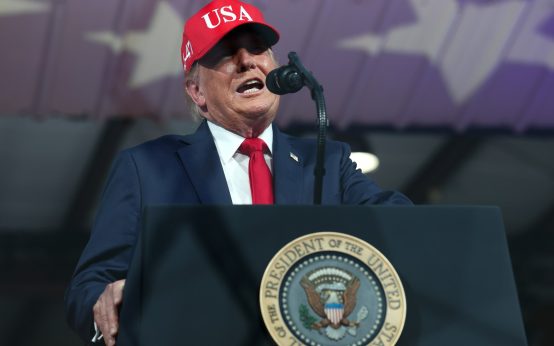 Gen Z Voters and Their Impact on the 2026 Midterm Elections
  Don McCullin’s Final Book: A Pioneering War Photographer’s Legacy
 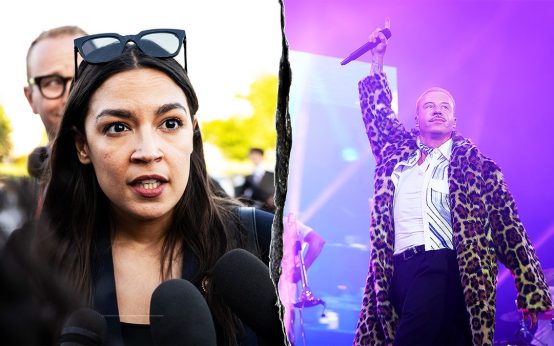 Rep. Alexandria Ocasio-Cortez Defends Macklemore Amid Tour Controversy
  Influence Concerns Surround California Political Donors
 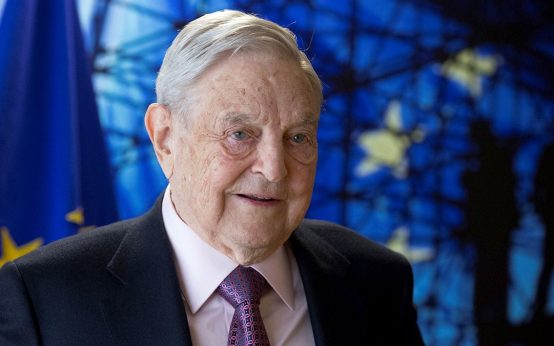 Michigan Senate Race Sees Influences from Soros-Linked Funding
  Trump Seeks Diplomatic Success at the U.N. Amid Challenges