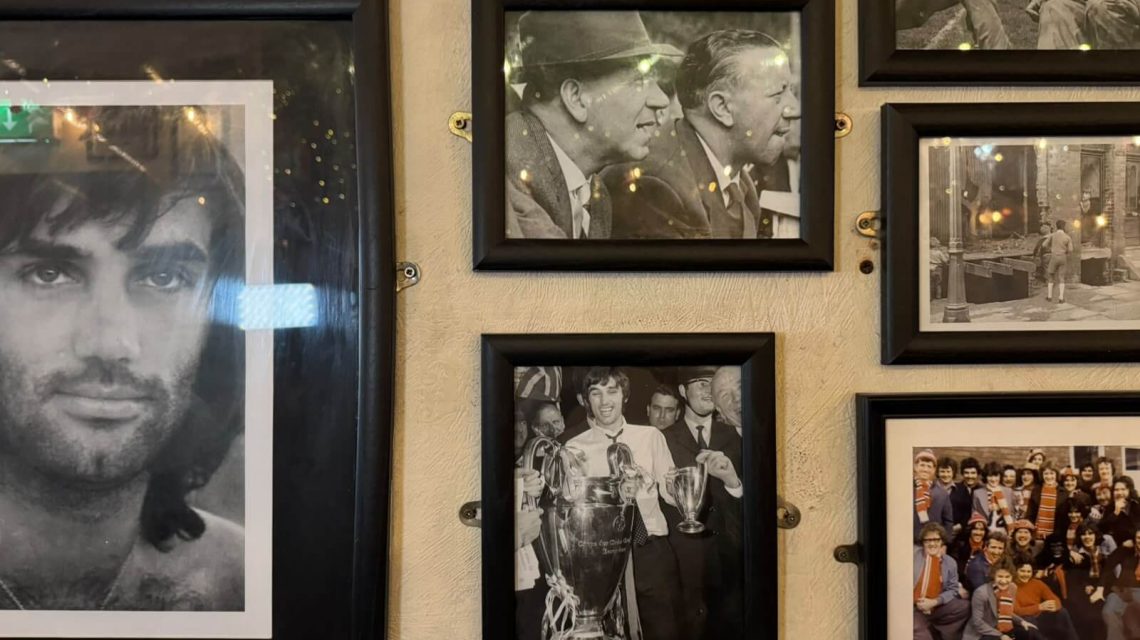
Manchester United’s Rich European Heritage
Old photographs depicting Manchester United’s storied European history cover the walls of the Old Nag’s Head pub in the city center. Images include George Best with the European Cup in 1968, manager Sir Matt Busby alongside Best, and a somber snowy field in Munich after the tragic 1958 air disaster. A 1968 color picture of Nobby Stiles celebrating the European Cup adds to the collection, along with Best donning a sombrero in Lisbon in 1966 after a victorious performance.
The Return of Champions League Action
The Old Nag’s Head will be bustling with fans on Thursday night as it is before every United home fixture. Sabah FK marks the first Azerbaijani team to compete against United. The Champions League returns after a three-year hiatus, providing essential prestige and revenue for the club. Financially, United relies on the various income streams from Champions League participation. They reach the knockout stages seldom, only once in the last 12 years.
Despite expectations, Sabah FK’s visit sees only a few thousand tickets left for general sale, largely due to the limited number of traveling supporters.
Financial Implications of Champions League Participation
Manchester United, much like other English clubs, faces vital financial pressures without Champions League revenue. The club has substantial debt to service and minimal owner funding. Earnings hinge on performance, with £1.8 million per league-phase win and further rewards if advancing to knockout stages.
The Athletic projects United’s minimum revenue if they lose all league-phase games to be around £45 million, reaching potentially £129 million if victorious. The financial gain mirrors the boost in sponsorship earnings, such as the Adidas deal, which suffered a £10 million dip during United’s absence from Europe.
Local and Fan Benefits
Manchester’s hospitality sector, from pubs to hotels, benefits from United’s home games. Previous seasons saw only 20 home matches; the upcoming season promises closer to 30 games. European away games delight hardcore fans, offering travel opportunities from Como to Lisbon, Madrid, and Villarreal. UEFA’s introduction of ticket-price caps supports traveling fans amid high Spanish club charges.
Expectations and Challenges
Manchester United’s coach Michael Carrick underscores Champions League participation’s importance, reminiscing about the club’s historical excellence. United has been in Europe’s elite as champions thrice: 1968, 1999, and 2008.
“It means an awful lot,” Carrick remarked. “We’ve missed out and now we’re back. It’s the standard we must uphold—a magical competition.”
Historical Feats and Tragedies
United’s European football endeavors began in 1956 with a record-setting 10-0 win over Anderlecht at Maine Road due to Old Trafford lacking floodlights. A snowy defeat in the Basque country against Athletic Club in 1957 revealed Europe’s challenges. The catastrophic Munich air crash overshadowed subsequent years, yet by 1968, United claimed European champion status, defeating Benfica at Wembley.
Fans still chant tunes inspired by United’s historic victories. European competition remains paramount to United, epitomized by their passionate fanbase and significant past triumphs. Despite recent absence from Europe, Manchester United commands attention and admiration. The return of Azerbaijani engagement enriches United’s global narrative, albeit not immortalized on Old Nag’s Head’s iconic wall.
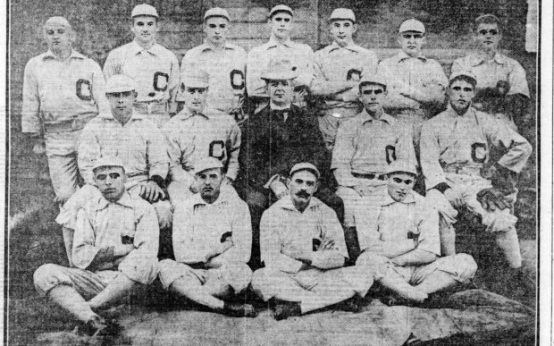 Significant Events in Chicago History on September 21
  Patriots Rookie Gabe Jacas Shines Against Aaron Rodgers
 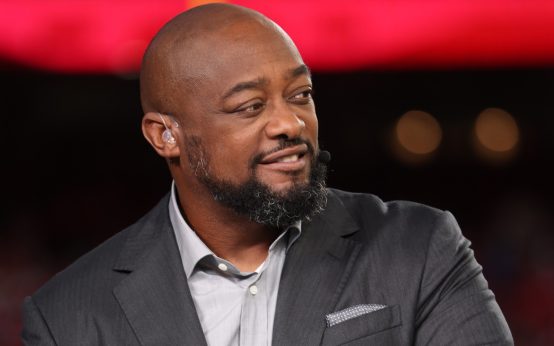 Pittsburgh Steelers Face Offensive Struggles in Post-Tomlin Era
 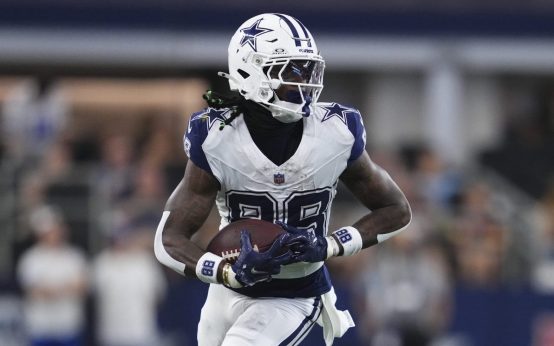 CeeDee Lamb Leads Dallas Cowboys to Victory Over Washington Commanders
  Buffalo Bills Tailgating and Highmark Stadium Experience
 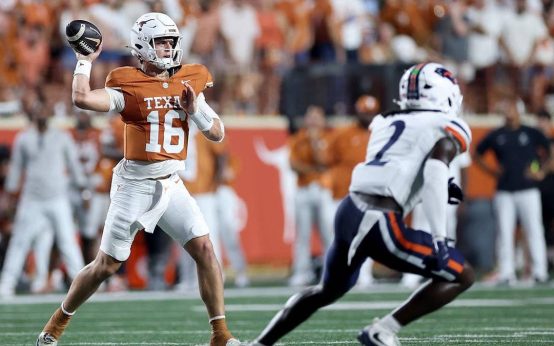 Texas Longhorns Triumph Over UTSA with Defensive Strength and Key Plays