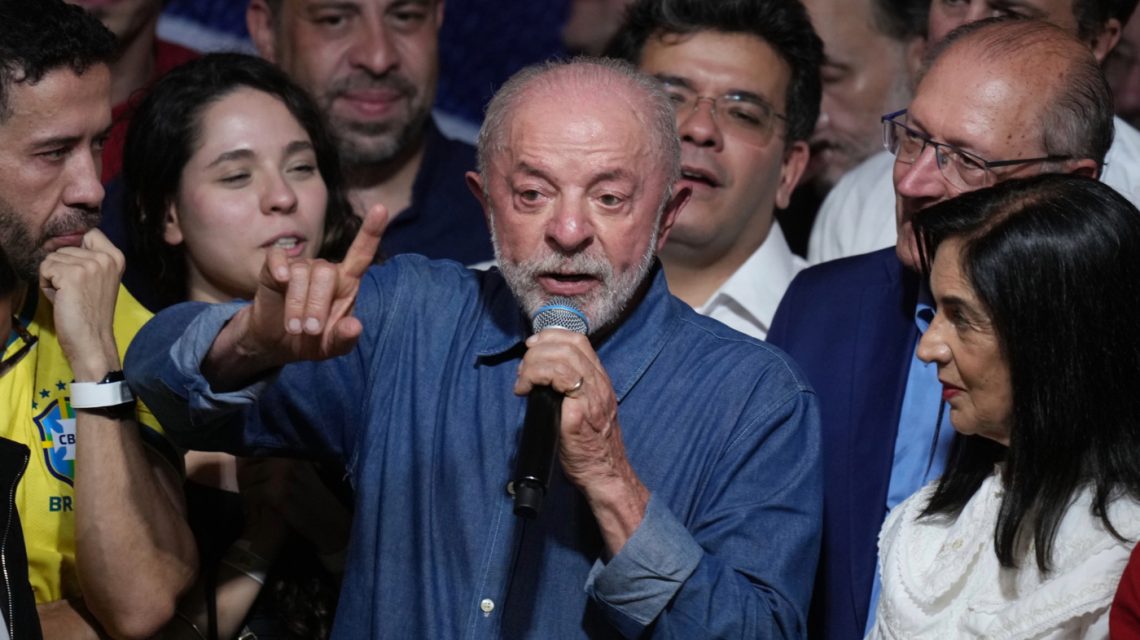
Lula da Silva Wins Fourth Term in Brazil
On October 25, Luiz Inácio Lula da Silva secured his fourth presidential term in Brazil, earning 51.8% of the votes against Flávio Bolsonaro’s 48.2%. This victory followed a first-round defeat, leading to a comeback with over 4 million more votes. Lula emphasized Brazil’s sovereignty, declaring it won’t accept being “anyone’s backyard.”
Mixed International Reactions
President Trump’s statement that the election “looked like another rigged election” contrasts with the ongoing pragmatic relations between the U.S. and Brazil, marked by $135.7 billion in trade in 2025. Despite differing ideologies and Trump’s critique, the leaders have met multiple times, focusing on economic ties.
Economic Changes and Challenges
Lula, known for his labor leadership and leftist governance, plans substantial social program expansions totaling $57 billion. His victory led to a dramatic market response, with Brazil’s currency plunging 11% against the dollar and stock markets falling 14%. Nevertheless, Brazil remains Latin America’s largest nation and a key democratic player globally.
International Strategic Relations
Brazil’s role in the G20 and BRICS positions it as a strategic player with complex alliances, including China and the U.S. Lula’s presidency influences the Monroe Doctrine, amid rising electoral successes in Latin America. His relationship with China involves significant trade and military cooperation, while Brazil distances itself from the “Shield of the Americas” security alliance.
Brazil’s Diplomatic Position
The country’s refusal to label certain gangs as terrorist organizations highlights nuanced diplomatic strategies. Lula’s ties with nations like China and Russia, alongside his trade importance to the U.S., necessitate careful negotiation. Balancing these relations demands containment of Chinese influence, negotiating effectively with Brazil’s leadership.
Arturo McFields, an exiled journalist and former ambassador, authored this analysis, reflecting on the intricate dynamics at play following Brazil’s election.
 Immigration Enforcement Challenges Voters
 Efforts to Protect Youth Voting Rights Amid Challenges
 Media Research Center Study Alleges Bias in Apple News Coverage of Republican Issues
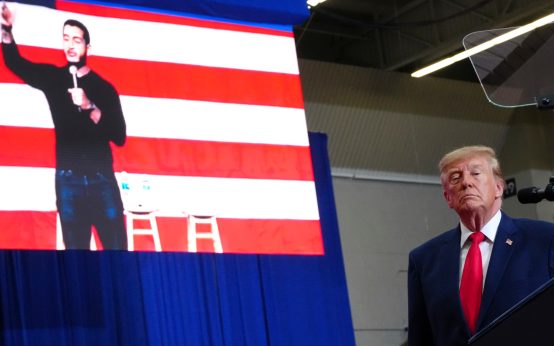 Shifting Political Allegiances Among Arab Americans
 Rising Borrowing Costs and Their Impact on Democracy
 U.S. Military Strikes In Eastern Pacific: Accusations and Concerns