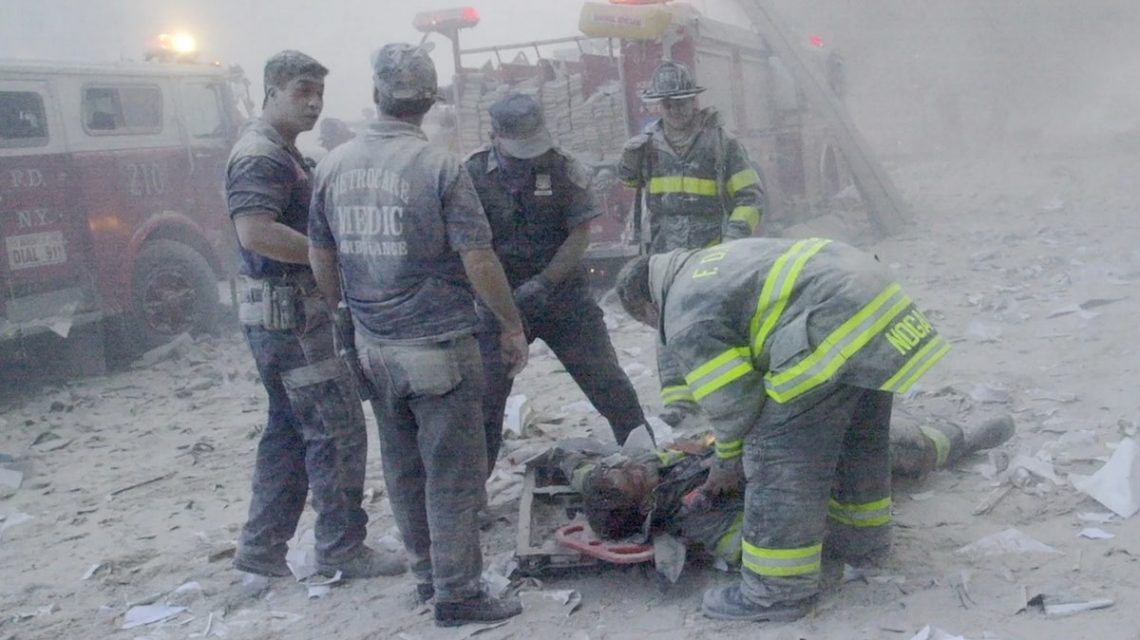
The aftermath of September 11, 2001, has left enduring physical effects on those present at Ground Zero. The collapse of the towers created an environment laden with dust and debris, exposing many to harmful air.
More than 400,000 individuals faced toxic contaminants, risk of physical injury, and stressful circumstances in the days following the attack. This data comes from the World Trade Center Health Program.
Link Between 9/11 and Health Issues
By March 2025, 8,215 participants in the World Trade Center Health Program had died. This includes 5,844 responders, as reported by the CDC. These figures cover all causes of death, as the program does not directly link deaths to 9/11 exposure.
A Responder’s Long-Term Health Battle
Mordechai Shedrowitzky, a Queens-born volunteer EMT, shared his health difficulties following his 9/11 response. His experience led to several hospital stays and a major surgery.
Shedrowitzky, age 51, was living in Brooklyn during the attacks. After handling local emergencies, he proceeded to Lower Manhattan to help. “Entering Manhattan from Brooklyn was surreal, with an eerie darkness and no electricity,” he recalled.
Once at South Street Seaport, where his ambulance and others were stationed, the debris felt overwhelming. His ambulance engine struggled with the high dust levels.
Shedrowitzky stated, “We had no idea how dangerous the air was. We spent lots of time outside the ambulances.”
Initially, Shedrowitzky believed his health issues had ended when he left the scene. However, symptoms soon worsened. His existing asthma became more severe, requiring more powerful treatments.
He shared, “I needed oral steroids frequently due to increased wheezing and coughing, leading to work absences and hospital stays.”
Discovering the Cause
Years later, Shedrowitzky registered with the World Trade Center Health Program, where his condition was classified as 9/11-related. Doctors diagnosed him with tracheobronchomalacia, a condition marked by collapsing airways during breathing.
In 2024, Shedrowitzky underwent a tracheobronchoplasty. The procedure stabilized his trachea and major airways. He reported feeling better, with fewer infections, and aims to return to work as a physical therapist.
The condition impaired his ability to spend time with his children. Now, he finds it easier to engage with his growing family, including his grandchildren.
Treating 9/11-Related Illnesses
Dr. Denise Harrison from NYU Langone Health has worked with post-9/11 healthcare since 2002. The health program she manages provides support for those affected by 9/11 exposure.
The doctor highlighted the “highly alkaline” nature of the dust, which is very irritating to the airways.
Patients often experience sinus issues, asthma, and COPD. Cases may also involve gastroesophageal reflux disease, complicating treatment. Harrison noted that conditions like PTSD might change how individuals perceive their asthma symptoms.
A Call to Action
Shedrowitzky urges other responders to seek help if they experience health issues linked to 9/11. He recommends early monitoring to identify potential problems.
As of March 31, 2025, the WTC Health Program has over 130,000 members. The program continues to operate across health systems like NYU Langone Health and Mount Sinai, authorized through 2090.
Dr. Harrison emphasizes patience as research continues, stating, “Ongoing research may not benefit individuals immediately, but could aid future disaster responses.”
 Understanding Addiction Risks After Presley Gerber’s Death
  Managing Distress: Insights and Techniques
  Best Practices for Safe Consumption of Fresh Produce
  The Complexity and Prevention of Suicide
  A Journey Through Cancer: Reflections on Diagnosis and Metaphor
  Impact of Sleep Types on Disease Risk