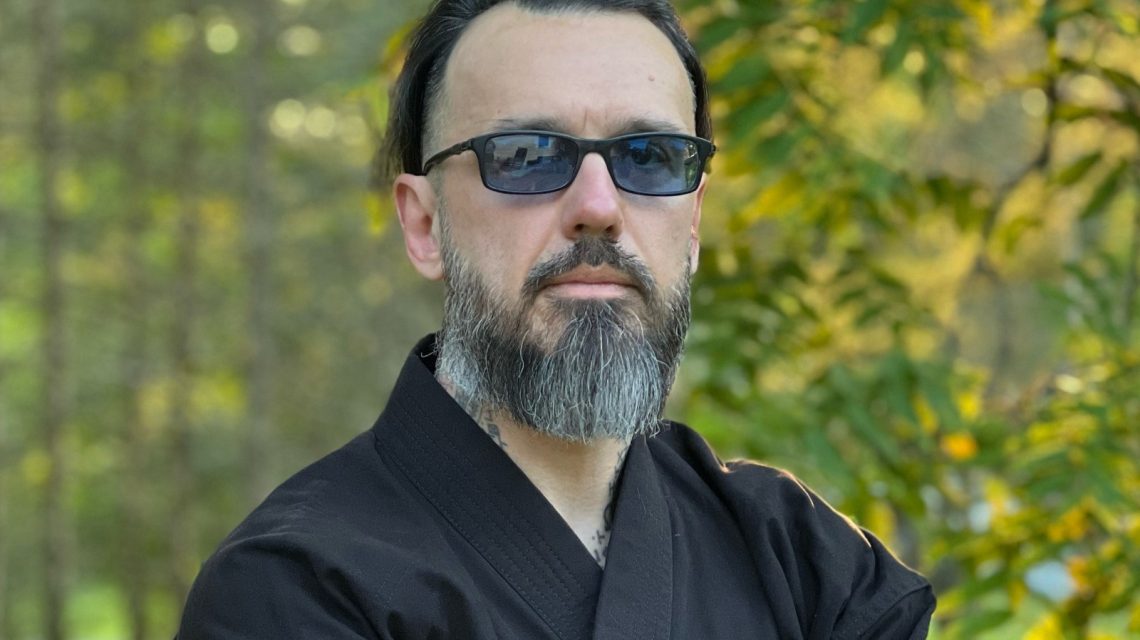
Damien Echols, once on death row but now free, expressed concern to Newsweek about the plan to livestream the execution of Nidal Malik Hasan, the Fort Hood shooter. Echols argues that broadcasting this event would harm American society.
Execution Context
Hasan was convicted of killing 13 people in 2009 at Fort Hood, Texas. His execution by firing squad is scheduled for December 3. A Pentagon official confirmed the event would be public, possibly livestreamed, sparking widespread debate.
Hasan’s attack happened during the War on Terrorism, and he positioned it as ideologically motivated through his ties to extremist cleric Anwar al-Awlaki. At his court-martial, Hasan admitted to changing sides in what he called a war on Islam.
Echols’ Perspective
Echols is still fighting to clear his name from the “West Memphis 3” case. He told Newsweek that livestreaming an execution negatively impacts society’s mental and emotional health. He highlighted the decline in death penalty support and discussed the potential ramifications of such broadcasts.
This event, if livestreamed, would mark the first government-broadcast execution in U.S. history. Families of Hasan’s victims urge reconsideration, fearing the spectacle would desecrate their loved ones’ memories.
Debate on Capital Punishment
Echols, now an author and magician, has been shaped by his prison experience. He recognizes some prisoners reform, while others remain dangerous. He calls capital punishment an evil that might be necessary in preventing greater harm.
He warns against desensitizing society with such broadcasts. His concerns echo in today’s true crime fascination, arguing that repeated exposure to violence numbs viewers.
Social Media Concerns
After the Pentagon revealed the livestream plan, Echols warned against watching it. A post he made on X urged avoidance, highlighting the irreversible impact watching could have. His post went viral, reaching over half a million views.
Echols cautioned about the execution footage spreading uncontrollably on social media, potentially reaching children or others who shouldn’t see it.
Wider Societal Impact
Echols articulated concern about society’s growing polarization and deterioration in recent years. He believes broadcasting an execution worsens these trends, promoting harmful voyeurism and glorifying violence.
He also fears enhancing Hasan’s profile among extremists. Echols cited the confidential handling of Osama bin Laden’s death as a sensible precedent to avoid public outlash.
Message to Leadership
While acknowledging he’s apolitical, Echols appealed to President Trump to reconsider the livestream plan for society’s sake. His top concern is the detrimental social impact, particularly on impressionable youth.
President Trump’s Stance
President Trump approved the livestream, reinforcing his support for capital punishment. Despite concerns about propaganda risks, Trump dismissed them, emphasizing the necessity of Hasan’s execution.
Execution Logistics
Fort Hood will host Hasan’s execution, with soldiers forming the firing squad. Emphasis is on making consequences for such crimes public, stressing deterrence.
Hasan’s Background
In November 2009, Hasan, then an Army major, initiated a shooting rampage at Fort Hood. Motivated by his beliefs, he targeted soldiers to prevent their deployment. Paralysed after being shot by law enforcement, he admitted his actions during his court-martial.
Developments in Echols’ Case
Echols continues to clear his name from the “West Memphis 3” conviction. Released in 2011 under a plea deal after DNA evidence excluded them from the crime scene, he remains hopeful. The Arkansas Supreme Court approved further DNA testing in 2024, with results pending.
Tested evidence includes ligatures used on victims. Echols aims to identify the true murderer and secure undeniable exonerating evidence.
 Surrogacy Controversy: Guojun Xuan and Silvia Zhang’s Troubling Case
  New York Employee Accused of Violent Assault on Coworker
 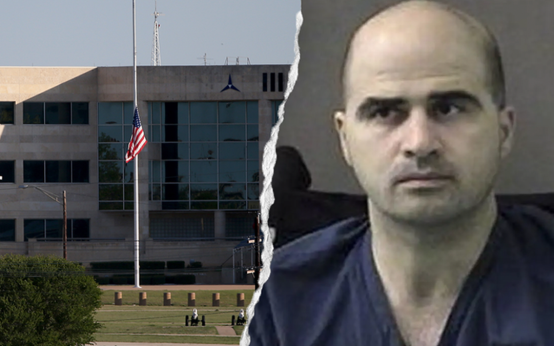 Fort Hood Survivor Questions Military’s Livestream Decision
  Supreme Court Case on Climate Lawsuits Threatens Oil Industry
  Judicial Watch Criticizes FBI Document Release Delays in Trump Assassination Attempt Case
  Christa Pike Moves to Rehabilitation Center After Failed Execution Attempt