
Secretary of Defense Pete Hegseth spoke at the Association of the United States Army 2026 Annual Meeting and Exposition in Washington, D.C., on Oct. 14. Reports suggest uncertainty about livestreaming the execution of the Fort Hood attacker, as Defense Secretary Hegseth mentioned. President Trump indicated ongoing deliberations, while Vice President JD Vance expressed he would not view it, adding to the mystery of its occurrence.
Regardless of the execution’s public nature, religious scholars believe damage is already inflicted. Julie Ingersoll, a professor at the University of North Florida, stresses that merely contemplating this action shifts societal norms. Ninety years have elapsed since a high-profile U.S. public execution. Hegseth asserted publicly-viewed executions would deter similar crimes. Nidal Hasan, a former U.S. army major and Islamist extremist, is scheduled for execution on Dec. 3, having killed 13 and injured 32 at Fort Hood in 2009.
“We’ll ensure public viewing, showing serious consequences for such actions,” Hegseth stated in an interview with Real America’s Voice.
For religious scholars like Ingersoll, Hegseth’s stance connects with his religious affiliations. Hegseth is linked to the Communion of Reformed Evangelical Churches (CREC), whose leader advocates Christian Nationalism and controversial historical views.
Matthew Taylor, a visiting scholar at the Center on Faith and Justice at Georgetown University, describes Hegseth as a religious extremist with views misaligned with mainstream society. Hegseth’s stance on public execution aligns with CREC’s near-unanimous endorsement of the death penalty. Archbishop Timothy Broglio, representing Catholics in the U.S. military, disapproved, urging Catholic service members to avoid participation.
The divergent treatment of Hasan raises concerns, notably from Joshua Salaam, president of the Association of Muslim Chaplains, who highlights the potential influence of Hasan’s religious identity on the harsh approach. Ingersoll connects Hegseth’s actions to a perceived religious battle against Islam.
A Resurgence of Christian Nationalism
Ingersoll highlights the term ‘dominionism’ used to describe Christian nationalist agendas, which involve asserting religious governance in societal aspects. Concerns about Christian Nationalism’s growth relate to its clash with American democratic principles.
Amid discussions on public execution, Taylor worries Hegseth might be steering military ideology towards Christian nationalism. He describes Hegseth’s approach as potentially consolidating military power around religious and sociopolitical ideologies with racial and patriarchal undertones.
The idea of public execution has seen discussions beyond CREC, with figures like the late activist Charlie Kirk advocating it. This reveals a transgressive current within certain rightwing circles.
Salaam emphasizes the moral implications of public executions for the nation’s ethical fabric, cautioning against normalizing such events. He stresses the impact on societal values, particularly regarding children and community decency.
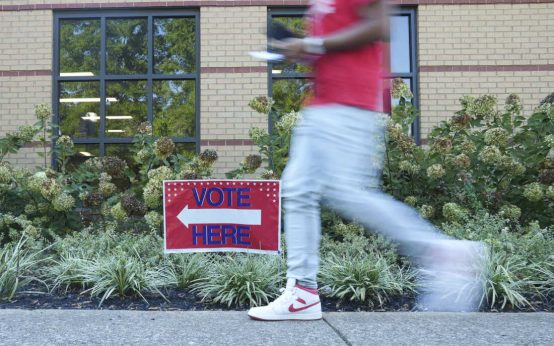 Voters Express Frustration with Trump Ahead of Midterms
 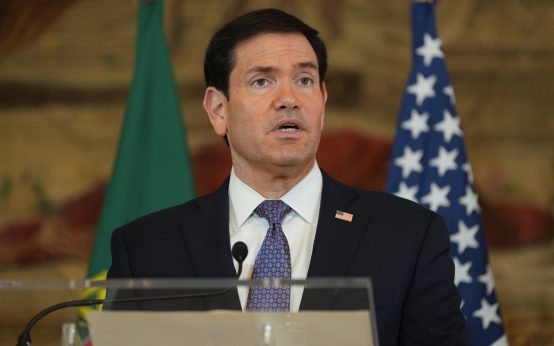 Judge Orders Trump Administration to Initiate 2027 Diversity Visa Lottery
 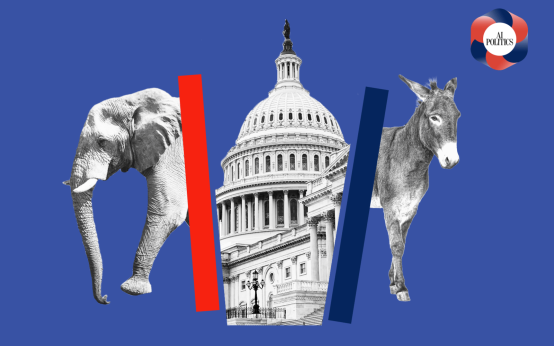 Congress Divided Over AI Policies Ahead of Elections
 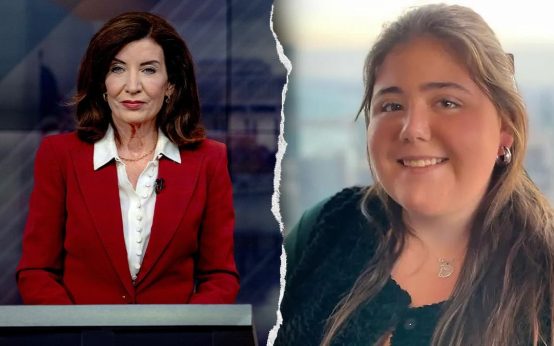 New York Governor Race: Debate Over Immigration Policy and Crime
 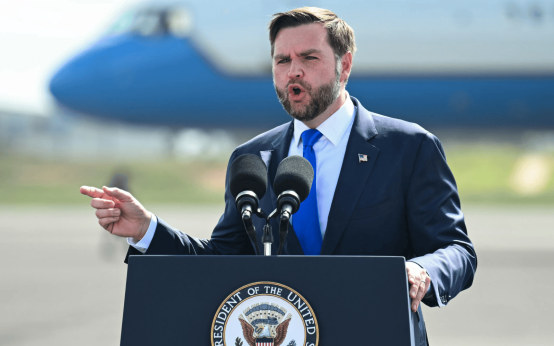 Political Heavyweights Ocasio-Cortez and Vance Campaign in Michigan Senate Race
 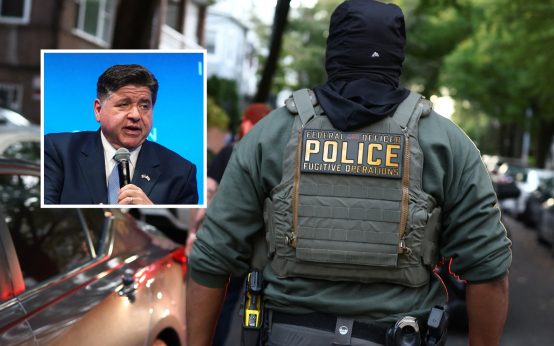 Illinois Initiative Documents Impact of Trump’s Immigration Policies