
An upstate New York resident, David Streever, filed a lawsuit against the U.S. Immigration and Customs Enforcement (ICE) after federal officers visited his Rochester home with a warning about an email he sent. Streever, a U.S. citizen who was traveling in Finland at the time, allegedly received the warning through his wife in June. The email, sent in January, criticized Todd Lyons, ICE’s acting director at the time, following the fatal shooting of Minneapolis resident Renee Good during an anti-ICE protest.
In the email, Streever characterized Lyons as “a monstrous human being” who “will never know peace.” His attorneys argue that ICE violated Streever’s First Amendment rights. The lawsuit was filed in Washington D.C., with representation by the Philadelphia-based Foundation for Individual Rights and Expression. Adam Steinbaugh, an attorney with the foundation, maintained that Streever’s message was political speech protected under the First Amendment.
Representatives for ICE have refrained from commenting on Streever’s warning, citing an ongoing investigation. Secretary of Homeland Security, Markwayne Mullin, was also named in the lawsuit. His office released a statement asserting that claims of DHS attempting to suppress free speech are “categorically FALSE,” emphasizing that threats to law enforcement officers would be addressed.
The email’s subject line, “What’s next,” likened Lyons to a figure from Nazi Germany, calling him “America’s Reinhard Heydrich, the butcher.” Streever expressed his conviction that Lyons would eventually feel remorse for his actions. Upon returning from Finland, Streever was approached by federal agents at a hotel in New York City, but hotel staff turned them away.
Another instance of federal warnings in June involved Paigelynne Gonyea, a poll worker. Agents visited her during New York’s primaries due to her social media post about Jonathan Ross, the ICE officer involved in Good’s death. Gonyea commented online about potential legal consequences for Ross after his identity was revealed by the media. Gonyea also allegedly shared Ross’ address online, leading to claims of committing a federal crime.
Lauren Bis from DHS stated that sharing an officer’s address constitutes a federal offense and warned against such actions. The New York Attorney General’s Office is reviewing interactions between Gonyea and federal agents at the voting location. These incidents bring to light the balance between free speech and legal boundaries concerning criticism of federal agencies.
 The Impact of Arts and Closure on Democracy
 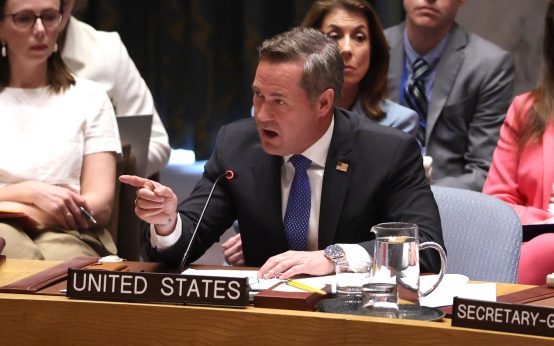 U.S. Ambassador Comments on Iran War Duration Amid Political Concerns
 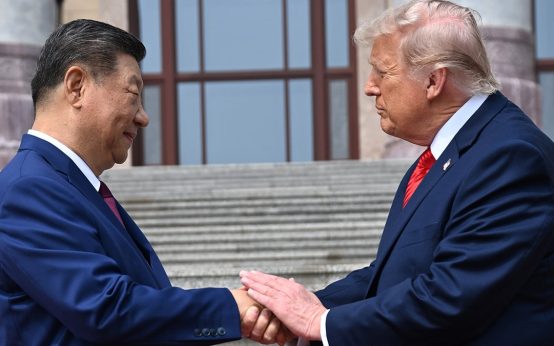 US-China Relations Under Scrutiny: Expert Warns of Escalating Tensions
  No Timeline for End of Iran Conflict
 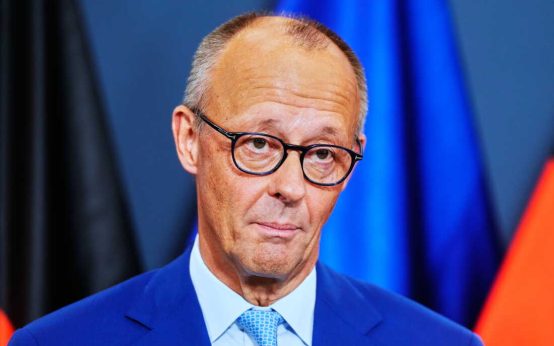 German Chancellor Merz Vows to Pursue Reforms Despite Election Setbacks
  The Technology Rivalry: Trump’s Meeting with Xi and the AI Ecosystem Clash