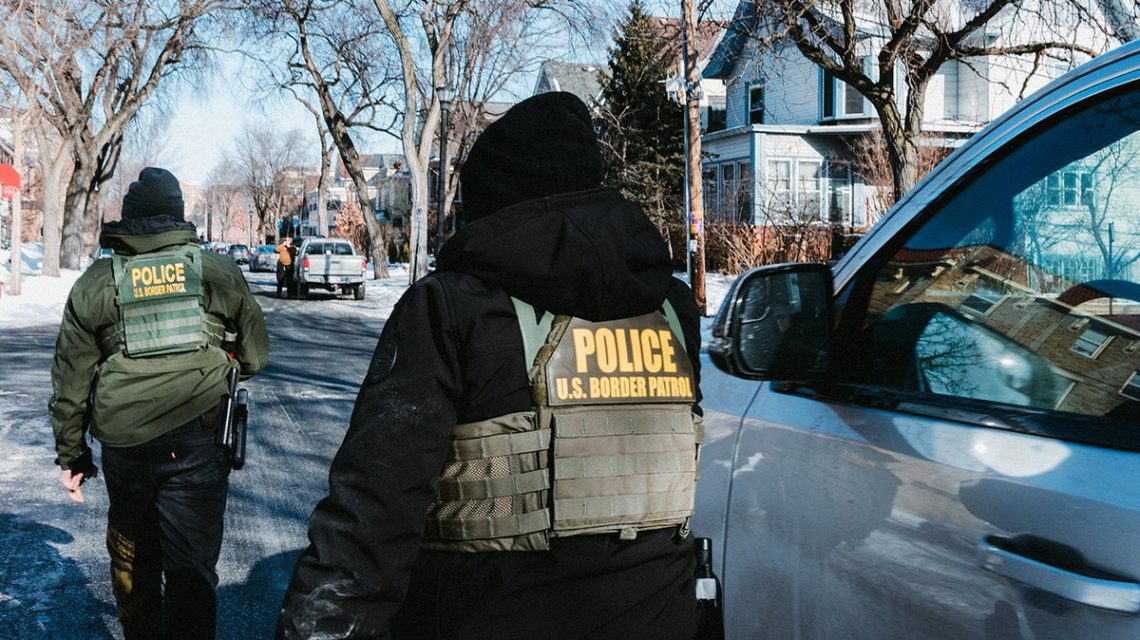
Texas Governor Greg Abbott and Minnesota Attorney General Keith Ellison are engaged in a conflict over the extradition of ICE agent Christian Castro. Their disagreement centers on his prosecution and highlights broader issues about state power, federal immigration enforcement, and accountability for immigration officers.
On Wednesday, U.S. District Judge Fernando Rodriguez Jr. ruled against Minnesota’s bid to keep Castro imprisoned in Texas. Minnesota wanted a temporary restraining order to prevent Castro’s release, but the judge denied their emergency request. This legal decision allows Cameron County Sheriff Manuel Trevino to release Castro as Texas law stipulates his 90-day detention period ends Thursday.
Without a court order or a rendition warrant from Abbott, Castro will leave the Cameron County Jail. Minnesota argued Castro could abscond to Mexico, referencing jail conversations with a woman labeled as his romantic companion residing in Progreso, Mexico. These discussions included plans for property purchase and relocation to Mexico, raising concerns about Castro’s potential flight.
However, Rodriguez found that Minnesota’s legal actions were premature. The judge noted that Abbott has not denied Minnesota’s extradition request, stating, “Governor Abbott has neither agreed nor refused to sign the rendition warrant as to Castro.” Abbott has tasked the Texas Secretary of State with investigating whether Castro should be surrendered under the Texas Uniform Criminal Extradition Act.
Rodriguez highlighted that neither constitutional nor extradition laws define a deadline for Abbott’s decision. Hence, the matter is deemed not ready for court adjudication. Minnesota formally sought Castro’s extradition in June following his arrest in Cameron County based on Minnesota’s warrant. There is no legal requirement for Abbott to act within a specific timeframe.
Castro faces serious charges, including four felony counts of second-degree assault and a misdemeanor for falsely reporting a crime. These charges stem from a January ICE operation in Minnesota, where Castro allegedly fired a shot through a closed door, injuring a resident. This incident ignited protests and contributed to the tension between Minnesota officials and the Trump administration over state trials of ICE agents from Operation Metro Surge.
Alongside Castro, Minnesota has charged ICE agent Gregory Morgan Jr. with two counts of second-degree assault. Morgan allegedly brandished a handgun at drivers during a traffic altercation after an enforcement operation. The DHS claims Minnesota politicians are orchestrating a “political stunt,” whereas Minnesota officials contend the agents’ activities were outside their federal law enforcement duties.
Abbott has questioned whether Castro qualifies as a fugitive for extradition since he returned to Texas at the direction of federal immigration authorities post-January incident. Yet, Rodriguez expressed skepticism regarding Abbott’s interpretation, noting traditional legal precedent focuses on whether an accused person left the state.
If no rendition warrant is issued and no court order prevents it, Castro is slated for release on Thursday. Abbott’s decision remains crucial to Castro’s fate.
 Juror’s Stand Leads to Mistrial in Lindsay Clancy Case
  Maryland Parents Arrested After Infant’s Death with Severe Injuries
  Jury Deliberations in Lindsay Clancy’s Murder Trial Stir Controversy
  Surrogate Resists Abortion, Appeals to Supreme Court in Legal Dispute
  Inmates File Lawsuit Over Fires and Smoke in D.C. Jail
  Former CIA Chief Subpoenaed in Justice Department Investigation