
In 1969, NASA accomplished one of history’s most significant achievements: landing astronauts on the moon. This remarkable event began with Apollo 11, when Neil Armstrong and Buzz Aldrin became the first humans to explore another world. Their lunar lander, named Eagle, touched down on the Sea of Tranquility on July 20, 1969. Armstrong famously declared, “The Eagle has landed,” as the world celebrated.
Six and a half hours after landing, Armstrong made his historic moonwalk, stating, “That’s one small step for man, one giant leap for mankind.” This moment remains etched in history.
The Apollo lunar module stood at 23 feet (7 meters) tall, with a design that looked ungainly. Its descent stage, equipped with four legs, got the astronauts to the lunar surface and remains there today. The ascent stage, used to return to lunar orbit, is no longer in use. Images from NASA’s Lunar Reconnaissance Orbiter and other satellites reveal the descent stages’ locations on the moon’s near side. While Apollo 13’s Aquarius module served as a crucial lifeboat, other ascent stages are scattered or possibly still in orbit.
In recent developments, NASA’s Artemis program involves private companies in crafting lunar landers. SpaceX and Blue Origin are preparing for a docking test in low-Earth orbit. If successful, NASA plans to launch astronauts to the moon with Artemis III around 2028. The towering design of SpaceX’s Starship will require a 10-floor elevator for moonwalkers to descend, unlike Apollo’s simpler ladder system.
During the historic moon landing, President Richard Nixon spoke to Armstrong and Aldrin, stating, “For one priceless moment in the whole history of man, all the people on this Earth are truly one.” These moments continue to inspire as part of a series marking America’s 250th anniversary.
The initiative by NASA marks a collaborative endeavor involving public and private sectors to return to the moon, highlighting ongoing advancements in space exploration.
This article is part of a continuing series named “American Objects,” celebrating key moments in United States history with an emphasis on technological achievements.
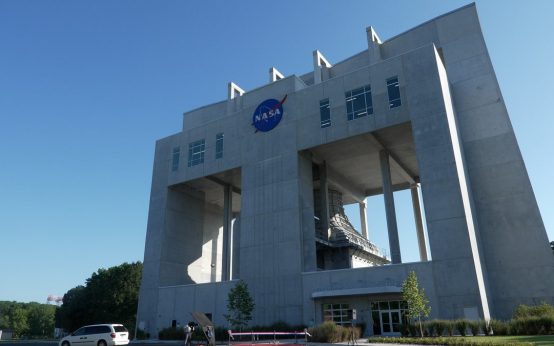 NASA Unveils Advanced Wind Tunnel for Space and Aeronautics Research
 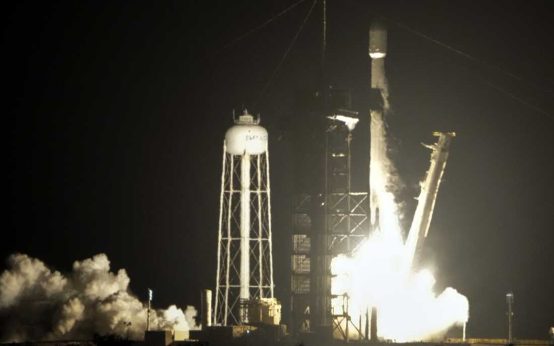 SpaceX Rocket Debris on Course to Impact Moon
 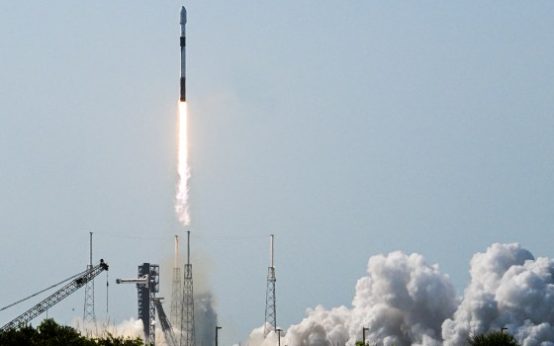 Defunct SpaceX Rocket Set to Impact the Moon
  SpaceX Rocket on Collision Course with the Moon
  Spacecraft Faces Thruster Issues in Critical NASA Telescope Rescue
  A Joyful Homecoming: Celebrating Astronaut Chris Williams’ Return