Seventeen years ago, the case of Jennifer Thompson highlighted the painful reality of wrongful convictions. Thompson, a rape victim, mistakenly identified Ronald Cotton as her attacker, leading to his 11-year imprisonment before DNA evidence proved his innocence. Jennifer’s story is sadly common in the era of DNA exonerations, where wrongful convictions affect victims, the accused, and their communities.
The Harm of Wrongful Convictions
Jennifer Thompson experienced firsthand the scars left by wrongful convictions. These cases don’t just impact the falsely accused; they also haunt original crime victims and their families. Thompson calls wrongful convictions ‘bombs’ because they cause widespread harm. Families, victims, and even communities suffer shrapnel-like damage.
‘A wrongful conviction doesn’t hurt like a person. It’s not just Raymond Towler got hurt. Like, his whole family got shrapnel. And the victims got shrapnel.’ – Jennifer Thompson
Jennifer Thompson’s Actions
Driven by guilt and shame after Cotton’s exoneration, Thompson turned her mistake into a mission. She apologized to Cotton and educated law enforcement on preventing wrongful convictions. With over 3,800 exonerations due to new evidence such as DNA, Jennifer realized crime victims are often forgotten.
She founded Healing Justice, an initiative uniting crime victims and wrongfully convicted individuals for healing and mutual understanding. This program offers retreats where victims and exonerees work together to rebuild shattered lives.
Healing Justice Retreats
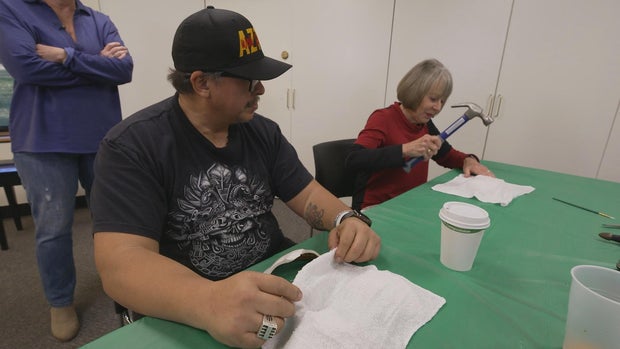
At Healing Justice retreats, attendees engage in activities symbolizing their struggles and recovery. Breaking and gluing bowls is one such exercise, illustrating the difficulty of mending broken lives. Discussions allow crime victims and exonerees to share their stories and confront their emotional wounds.
‘Did anybody notice how fast and easy it was to break it, and how hard it is to put it back together again?’ – Jennifer Thompson
Personal Stories
Many victims like Tomeshia Carrington Artis suffer the psychological aftermath of mistakenly identifying innocent suspects. When DNA exonerates the wrongly accused, victims wrestle with guilt and fear, often facing public blame and isolation.
Memory experts explain how crime victims mistakenly identify perpetrators due to flawed lineups, leading to wrongful convictions. Studies show witnesses often select the wrong individual when the true offender isn’t included in lineups.
Addressing Harsh Words and Self-Compassion
During retreats, participants write letters to themselves, confronting internalized hurtful labels. They explore and transform negative self-talk into self-compassion, promoting healing. This exercise helps participants change their perceptions and embrace positive affirmations.
‘Dear Raymond, You have a kind heart. You are loved.’ – Raymond Towler
Games and Integration
Retreat activities also include improv games, fostering laughter and connections among participants. These exercises encourage individuals to see life from different perspectives, enhancing mutual understanding despite varying backgrounds.
Continuous Healing Journey
Thompson’s friendship with Cotton and her work with exonerees reveal that the journey doesn’t end with exoneration. It’s crucial to build relationships and support networks to navigate the aftermath of wrongful convictions. Healing is an ongoing process, enriched by helping others and sharing experiences.
As Healing Justice continues, its retreats provide a vital space for victims and exonerees to heal together, laying a foundation for reconciliation and understanding.
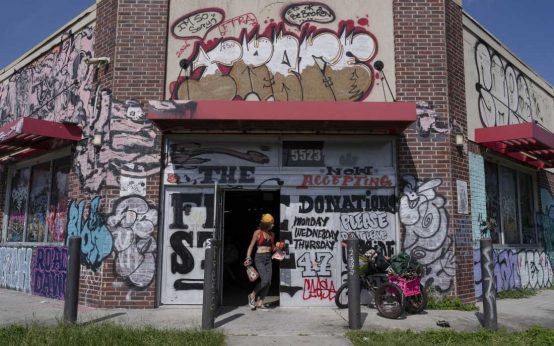 Community Relief Efforts at New Orleans Free Store
 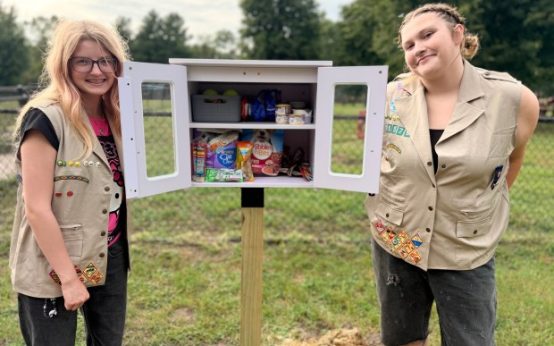 Girl Scout Troop 35579 Project: Pet Pantry for Woodland Park
 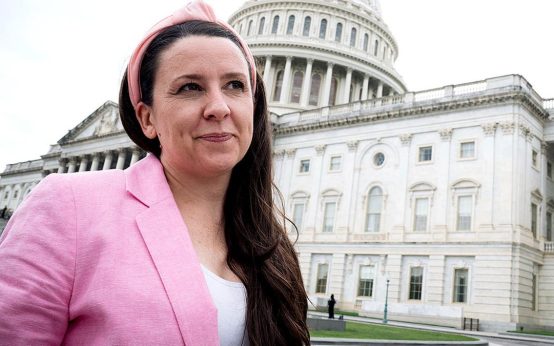 Children’s YouTube Star Ms. Rachel Draws Scrutiny Over Links to Palestinian Photojournalist
  Community Initiatives and Updates in Indiana
  The Dark Side of MLB’s Recruitment in the Dominican Republic
  Giants Honor 9/11 Anniversary with MetLife Stadium Tribute