
House Minority Leader Hakeem Jeffries, a Democrat from New York, announced his support for a Republican-led move to impeach Defense Secretary Pete Hegseth. He described his stance as a “hard yes” on the forthcoming resolution, asserting that Hegseth “has got to go.”
This alignment places top Democratic leadership in agreement with Representative Thomas Massie, a Republican from Kentucky. Massie plans to reintroduce a privileged impeachment resolution against Hegseth as early as Monday. Back in September, Massie had introduced an eight-article impeachment resolution targeting the defense secretary.
Jeffries stated on ABC News’ This Week, “I’m a hard yes on the Hegseth resolution. The so-called secretary of defense has abused his power, undermined our national security, and driven this reckless and costly war of choice in Iran. This has led to skyrocketing prices for Americans and has made the country less safe. Pete Hegseth has got to go.”
The bipartisan initiative followed significant Democratic victories in recent midterm elections. The party gained control of both chambers of Congress, flipping at least seven Senate seats and over two dozen House seats.
Amid the GOP’s setbacks, calls for Hegseth’s removal rose. The ongoing Iran conflict and associated rising gas prices are seen by some Republicans as key factors in the electoral losses.
With the newly elected Congress starting in January, any vote on Massie’s resolution before then would occur under the current Republican majority.
Massie’s original 34-page resolution, presented in September, outlines eight impeachment articles against Hegseth. Article I accuses Hegseth of executing unlawful orders in violation of Section 2(c) of the War Powers Resolution of 1973. It claims Congress has constitutional authority to initiate war, alleging U.S. forces were introduced into hostilities without Congress’s approval or an emergency declaration.
Further articles cover additional War Powers issues, as well as accusations related to civilian casualties, extrajudicial killings, and other military operations.
This attempt follows months of congressional opposition to the administration’s Iran campaign. In June, the House passed a war-powers resolution aimed at restricting unauthorized military action, with four Republicans joining Democrats in support.
Hegseth responded in a video, accusing Massie of engaging in political theater and presenting “sham” impeachment articles. “A disgruntled, defeated congressman, along with all his Democrat allies, has introduced sham articles of impeachment,” Hegseth stated. “Their policies don’t work, so they resort to political theater disguised as power struggles.”
Speculation over Hegseth’s position rose after reports that President Donald Trump had asked advisers if Hegseth should remain in his role post-midterm elections. Trump rejected suggestions of dismissing Hegseth, saying, “No, I think he’s doing a very good job.” The White House later confirmed Trump’s “full confidence” in the Pentagon chief, dismissing speculation of Hegseth moving to another position.
Jeffries, while firm in his stance, did not guarantee full Democratic caucus support. “We’ll discuss this Tuesday when we reconvene in Washington, D.C.,” Jeffries said. “I believe there will be strong support for that resolution.”
House leaders must consider a privileged resolution within two legislative days of its introduction. Impeachment of a Cabinet official requires a simple majority in the House. If successful, the matter moves to the Senate, where removal necessitates a two-thirds majority. Should the resolution falter in the current session, incoming Democratic majorities could investigate or restart proceedings after taking office in January.
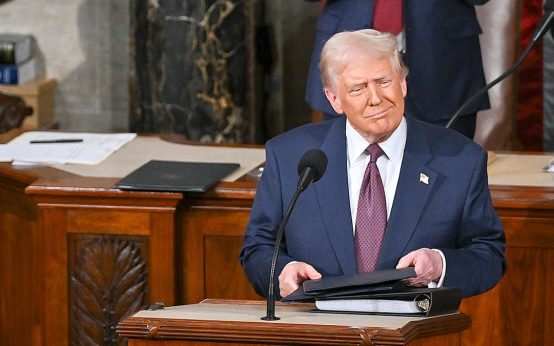 Trump Dismisses Third Impeachment Prospects
 Custody Dispute Involving Rep. Max Miller Delayed
 Attorney General Addresses Post-Midterm Democratic Threats
 Senator Elizabeth Warren and the Future of Crypto Regulation
 Bipartisan Opportunities in Foreign Policy
 Political Shifts and Concerns Post-Midterms