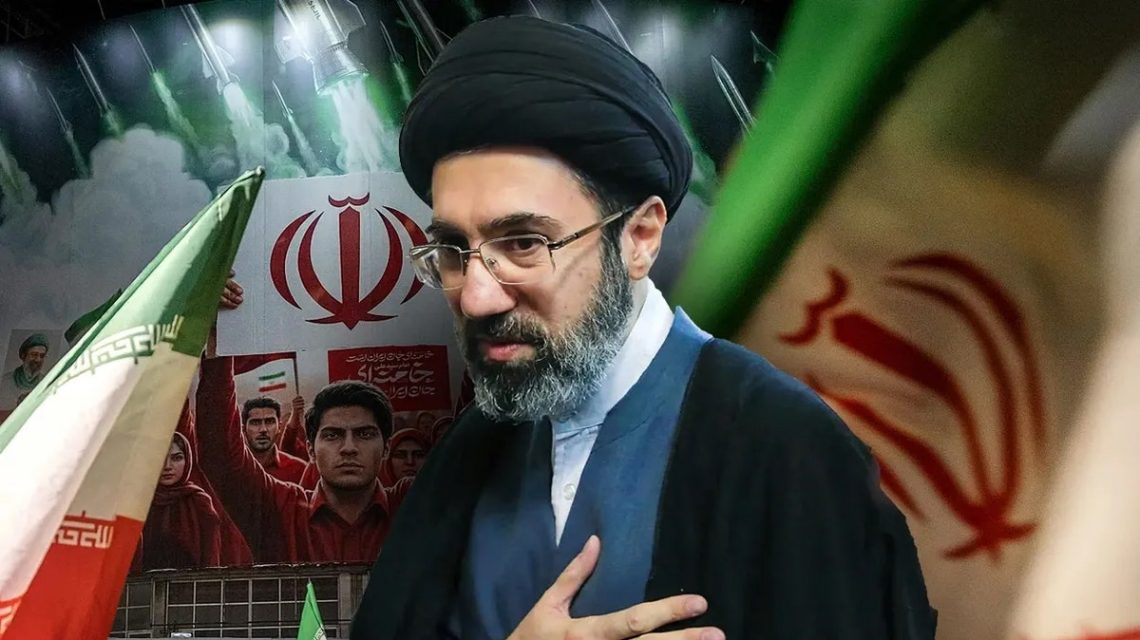
Reports highlight the significant role of IRGC Commander Ahmad Vahidi in shaping Iran’s negotiation strategy. Analysts see Vahidi as a figure with radical hardline views. Fox News correspondent Jeff Paul outlines his history, noting Vahidi’s rise during the Iran-Iraq War and alleged links to terror attacks such as the 1983 Beirut bombing and the 1994 Argentina bombing. Concerns are growing about who holds power over Iran’s military decisions.
Iran’s Supreme Leader, Mojtaba Khamenei, recently appointed six senior military commanders, reinforcing a wartime restructuring as Tehran rebuilds its command structure hit by recent U.S. and Israeli strikes. Announcements from Khamenei’s office, made in English, indicate strategic timing as Iranian and Omani negotiators are finalizing a proposed shipping route through Hormuz. According to Dr. Omar Mohammed of the Antisemitism Research Initiative at George Washington University, the announcements signal Tehran’s preparation for “prolonged confrontation” rather than settling with Washington.
Dr. Mohammed further noted that Iran’s official documents blame the deaths of military personnel on the “Zionist-American enemy,” effectively designating the United States as a co-belligerent. The newly appointed commanders include Ali Abdollahi as Chief of Staff, Kioumars Heydari as his deputy, and Vahidi as Commander-in-Chief of the IRGC, promoted to Major General. Mostafa Izadi was named Deputy IRGC Commander, Ali Azmaei as Commander of the IRGC Navy, and Hossein Taeb as Commander of the Basij.
The IRGC, including its intelligence arm, is still sorting out leadership, complicating its military and political restructuring. Many commanders face sanctions or allegations related to terrorism and suppression. Vahidi is under an Interpol Red Notice for involvement in the 1994 Buenos Aires bombing. Taeb, on the U.S. Treasury’s sanctions list since 2010, is involved in past human rights abuses. Heydari, also sanctioned due to his forces’ role in the 2019 protests, adds tension to Iran’s command structure.
The reshuffle aligns with Iran’s ongoing efforts to rebuild its leadership following a series of strikes that killed high-ranking regime figures. Former Supreme Leader Ayatollah Ali Khamenei died in a February 28 strike, and Mojtaba Khamenei stepped in as the new Supreme Leader in March. Questions remain about Mojtaba Khamenei’s health, with limited public appearances since. President Masoud Pezeshkian met with him for nearly seven hours, discussing economic and domestic issues while emphasizing unity.
Gaps in Iran’s intelligence services remain. The IRGC Intelligence Organization has no announced chiefs, and Iran lacks permanent defense or intelligence ministers. Dr. Mohammed suggests the power struggle within Iran will reveal who truly holds influence over its military strategy.
Emma Bussey, a breaking news writer for Fox News Digital, reports on evolving international dynamics from a variety of angles.
 Hungary’s New Government: Policy Shifts and International Relations
  Major Incident Declared Near U.K. Airbase Used for U.S. Military Strikes
 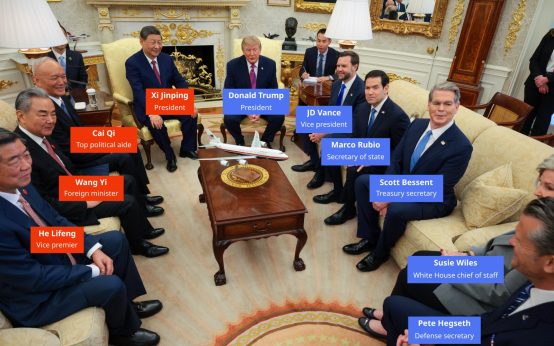 Xi Jinping’s Quest for Global Leadership and Succession Challenges
 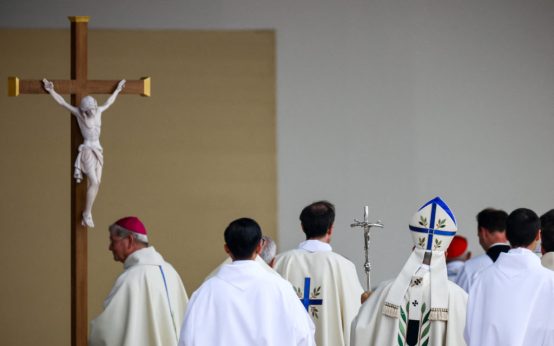 Pope Leo XIV Draws Massive Crowd in Paris, Highlighting Enduring Catholic Influence
  Pacific Hurricanes Pose Flood Risk to Southern California
 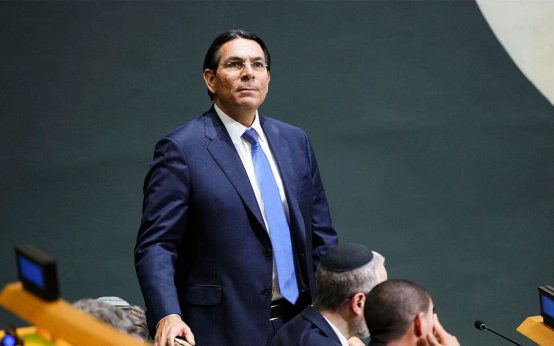 Israel’s U.N. Ambassador’s Viral Video Reaches Iranian Audience