
Ayatollah Ali Khamenei, the supreme leader of Iran for over three decades, significantly reshaped the nation into a formidable regional force. His leadership often brought Iran into conflict with Israel and the United States. Khamenei’s funeral will last several days following his death in the U.S.-Israeli war in Iran.
Khamenei’s Rise to Power
Khamenei assumed control in 1989 after the passing of Ayatollah Ruhollah Khomeini, the revolutionary who overthrew the shah. Khamenei, with lesser religious credentials, faced the task of establishing a state from the revolutionary ideas. His reign included supporting various armed groups, advancing Iran’s nuclear program, and responding to protest movements with force.
Despite resistance from the U.S. and Israel, Khamenei expanded Iran’s military, including through allied factions in the region.
Transformation of Iran’s Military Strategy
Post-Iraq war in the 1980s, Khamenei transformed the Revolutionary Guard into the cornerstone of his regime. It grew into a crucial armed and economic powerhouse within Iran. Under Khamenei, Iran transitioned to proxy warfare, supporting groups like Hezbollah in Lebanon, who repeatedly engaged Israeli forces. The Iranian-backed Houthi rebels in Yemen seized the capital in 2014, and the Palestinian group Hamas fought Israel in Gaza. Iranian militias also resisted U.S. forces in Iraq.
The October 2023 Mideast conflicts initiated by Hamas weakened the “Axis of Resistance” Khamenei built.
Khamenei’s Nuclear Program Strategy
Khamenei staunchly defended Iran’s nuclear ambitions, dismissing U.N. sanctions. He proclaimed nuclear weapons un-Islamic, yet insisted on Iran’s right to peaceful nuclear development. Following the 2015 nuclear agreement, Iran reduced its uranium stockpile for sanction relief. However, after the U.S. exit from the deal in 2018, Iran enriched uranium nearly to weapons-grade levels, concerns voiced by both the U.S. and Israel.
The recent U.S.-Israeli military actions in 2025 targeted Iran’s nuclear infrastructure.
Challenges of Internal Protests
Khamenei’s tenure witnessed several mass protests due to political suppression and economic woes. In 2009, disputes over election results for President Ahmadinejad led to protests, resulting in a deadly crackdown. Economic protests in the following years escalated into demands for governmental change. The 2019 gasoline price protests led to claims of over 300 deaths by activists.
In 2022, the death of Mahsa Amini during her detention sparked major demonstrations, crushed by security forces with over 500 reported deaths. By late 2025, protests surged, demanding change in the Islamic Republic, facing another severe government response.
The Uncertain Future After Khamenei
With Khamenei’s death, the future of Iran remains uncertain. His son, Ayatollah Mojtaba Khamenei, named as successor, has reportedly been injured and not publicly visible. Trump’s wartime appeal for Iranians to reassume control hasn’t spurred an uprising. However, hard-line supporters continue to rally in Tehran.
The fate of Iran may rely heavily on entities like the Revolutionary Guard, capable of employing strong measures to preserve regime stability.
 Family Seeks Answers Following Elderly Woman’s Death Under Canada’s Assisted Dying Program
  AI Fears Impact Trump-Xi Dialogue Amidst Challenges
  Venezuelan Leadership Highlights U.S. Relations
 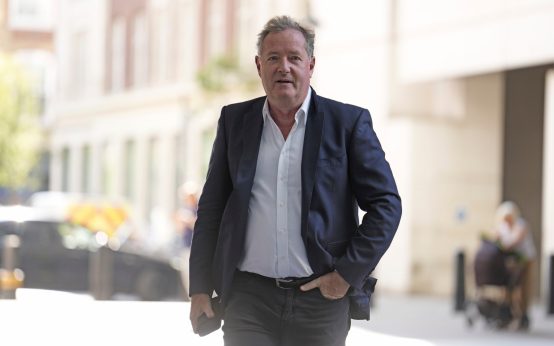 Controversy Surrounds Piers Morgan Following Claims in Earl Spencer’s Memoir
  Ontario Synagogue Shooting During Yom Kippur
  Pope Leo XIV’s Upcoming Visit to Latin America