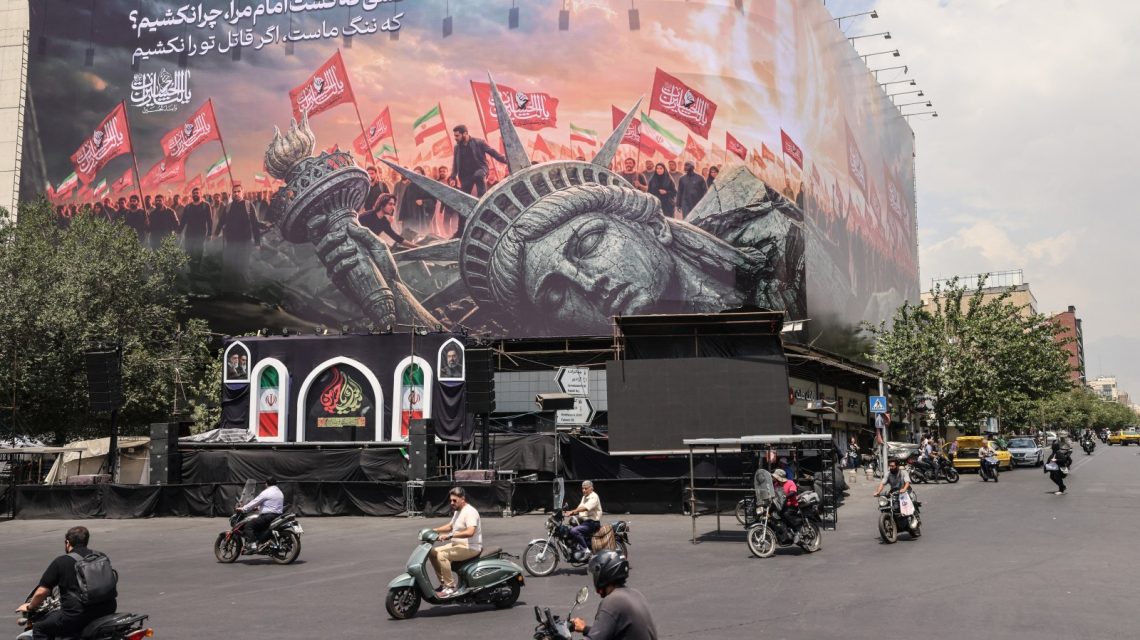
Iran has demonstrated remarkable resilience in response to the conflict initiated by the United States and Israel six months ago. Despite initially being perceived as a nuclear threat, the Islamic Republic’s greatest asset has proven to be its control over the Strait of Hormuz. This strategic move has significantly disrupted global energy trade.
While President Donald Trump’s administration focused on the nuclear program debate, Iran wielded its influence over one of the world’s key maritime routes. The consequences have affected many nations, including the U.S., where public opinion is increasingly opposed to intervention.
Trump’s decision to forgo substantial military strikes highlights Iran’s strategic grasp on the Strait of Hormuz. The U.S. faced challenges as the global energy supply encountered disruptions, making Iran’s approach an effective deterrent.
“Iran’s ability to impose economic pain on the global economy is, in some ways, a more powerful weapon than a nuclear bomb,” said Joshua Tallis, a director at the Center for Naval Analyses.
Economic Leverage
Iran’s ability to threaten closure of the Strait of Hormuz dates back to its 1980s conflict with Iraq. This strategy became relevant again following Trump’s 2018 withdrawal from the nuclear deal. With tensions high, Iran’s rhetoric has become reality, impacting the global economy.
Though the deterrent effect isn’t identical to that of nuclear weapons, the concept of using them for total immunity is diminishing. The U.S. experienced this shift as its Middle East bases encountered attacks from Iran, a pattern Russia also faces from Ukraine.
Iran’s strategy has enabled it to strain U.S. resources, while reports suggest Iran’s military capabilities are quickly rebuilding. This tactic allows Iran to take advantage of maritime trade without facing global condemnation associated with weapons of mass destruction.
“Iran reaps substantial strategic gains at minimal reputational cost,” Tallis added, explaining the broader impact on shipping and global trade.
Negotiation Complexities
Iran’s control of the Strait of Hormuz complicates U.S. diplomatic efforts. Discussions have shifted back to diplomacy, but Iran remains firm in avoiding direct talks with the U.S., opting instead for dialogue with Oman.
Oman has proposed a fee system for maintaining security through the strait, mirroring arrangements in other critical waterways. This initiative underscores Iran’s ability to pivot the focus of the conflict to its terms.
Iran’s ally, Yemen’s Ansar Allah (Houthi movement), has also stressed maritime trade through the Red Sea, complicating regional stability. Their actions have forced vessels to take longer routes, affecting shipping and aggravating tensions.
Adapting Strategies
Iran’s strategic leverage highlights the evolving nature of military power, as the mere threat of U.S. force no longer deters as effectively as before. Regional partners and international actors view the U.S. differently now.
“Military threats no longer carry the same deterrent value they did in the past,” security analyst Mostafa Najafi told Newsweek.
For any new agreement, both sides must overcome deep-seated mistrust and persistent challenges. Iran’s recent fire on tankers at the strait signifies continued tension, complicating diplomatic paths forward.
If conflict escalates, Iran feels prepared to manage a war of attrition, recognizing U.S. vulnerabilities in sustaining prolonged military operations. Iran’s strategy involves asymmetric tactics to pressure U.S. presence and influence in the region.
Newsweek editors Francis Mao and Gray R. Thomas covered this evolving story.
 Google Fined for Breaching EU Privacy Rules
 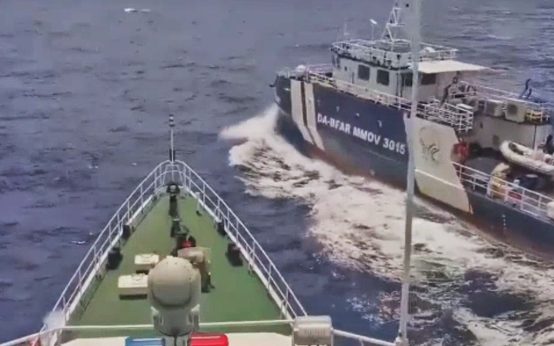 South China Sea Tensions Rise after Collision between Chinese and Philippine Ships
 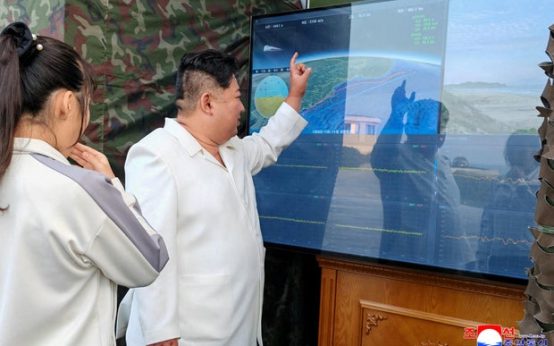 North Korea’s Hypersonic Weapon Test Amid Global Tensions
  Austin Tice: A Search for Answers
 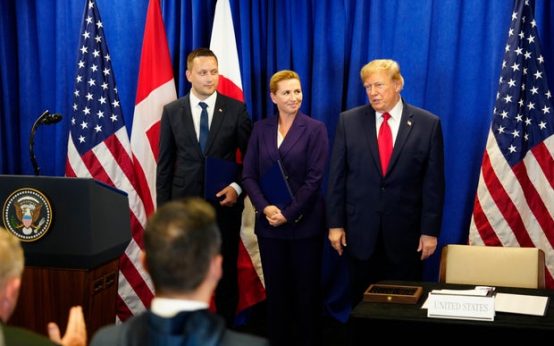 U.S., Denmark, and Greenland Forge New Security Agreement
 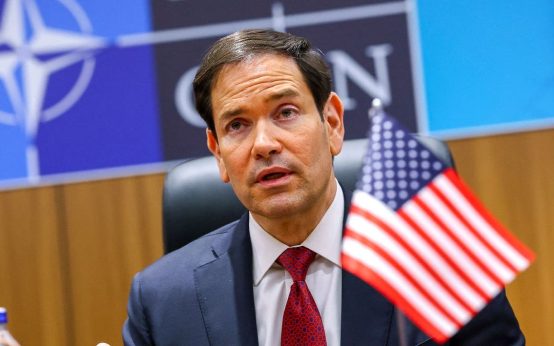 Secretary Rubio Discusses Middle East Conflict and NATO Relations