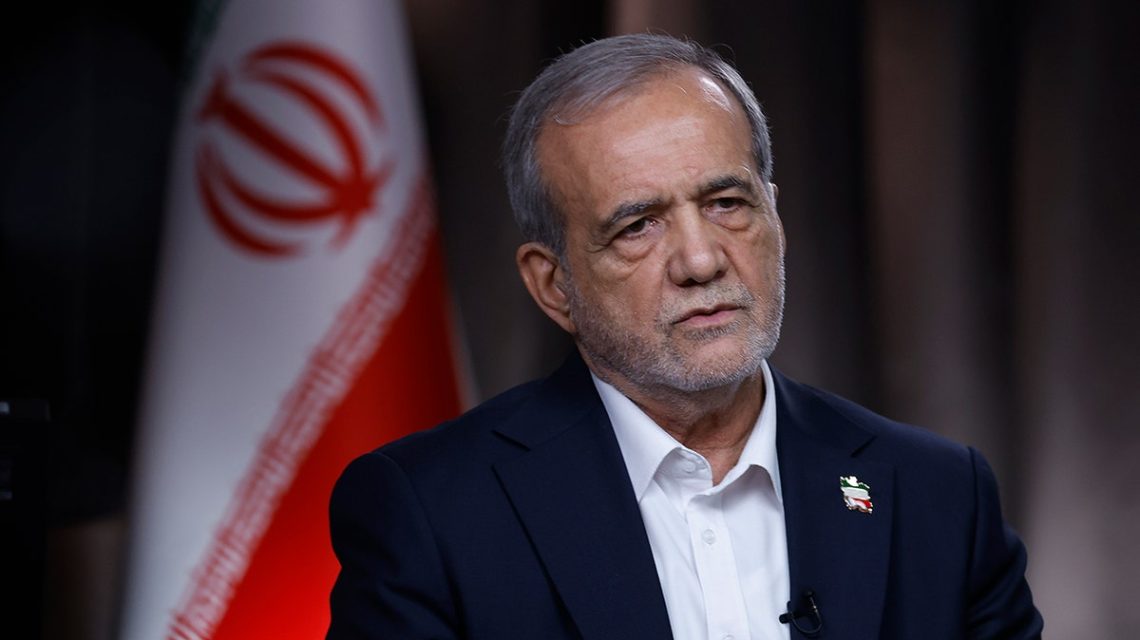
Iranian President Masoud Pezeshkian recently drew on a potent symbol of Iran’s wartime past, indicating Tehran’s intention to resist pressure from the U.S. and Israel. This move highlights Iran’s determination to maintain its stance across the region. As diplomatic discussions progressed, President Donald Trump mentioned that a deal with Iran is “largely negotiated,” emphasizing that the U.S. would either seal a beneficial agreement or abandon talks entirely.
While Iran has expressed general alignment with some aspects of Washington’s proposals, it has clarified that a comprehensive agreement is not yet finalized, and further negotiations are necessary.
Pezeshkian’s comments were delivered through an X post commemorating the anniversary of the 1982 recapture of Khorramshahr during the Iran-Iraq War. He underscored themes of resistance, self-sacrifice, and the enduring spirit of the Iranian people.
Khorramshahr today is Iran, the Persian Gulf, and the Strait of Hormuz. Resistance, self-sacrifice, and repelling aggression are rooted in the culture of this land.
Dr. Omar Mohammed, a director at George Washington University, noted that Pezeshkian was deliberately referencing a key ideological element of the Islamic Republic. The battle of Khorramshahr has come to symbolize national perseverance and defiance against invasions.
The anniversary marks the liberation of Khorramshahr, a city captured by Saddam Hussein’s forces early in the Iran-Iraq War and reclaimed by Iran after intense urban combat.
This narrative, according to Mohammed, draws a parallel between past resistance and current challenges, framing the situation as an aggressive act against Iran, prompting ordinary Iranians to stand firm. Such rhetoric evokes the spirit of volunteer fighters defending against a professional army, a sentiment captured through Pezeshkian’s mention of Hormuz, reflecting a standard tactic in Iranian diplomacy.
The invocation of the Strait of Hormuz within this context is a strategic signal, emphasizing the significance of the current tensions as more existential than mere crisis management.
Pezeshkian’s statement comes at a critical time, framing the situation as one of existential conflict, suggesting an unwillingness to negotiate when faced with perceived aggression.
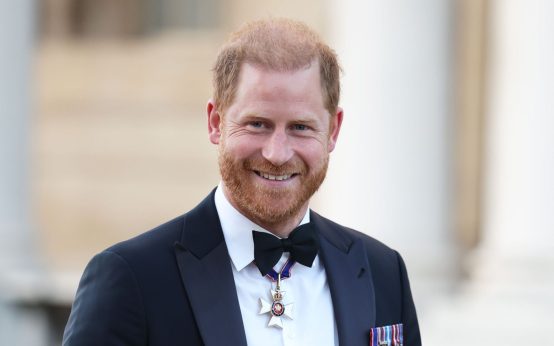 Prince Harry’s U.K. Return Amidst Family Drama and Charity Engagements
  Trump’s AI Strategy Sparks Debate Amid Regulatory Concerns
 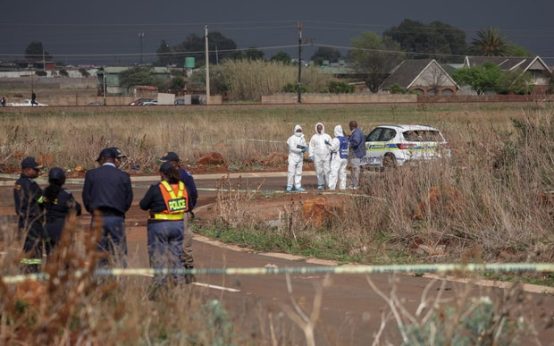 Arrests Over Kempton Park Killings in South Africa
 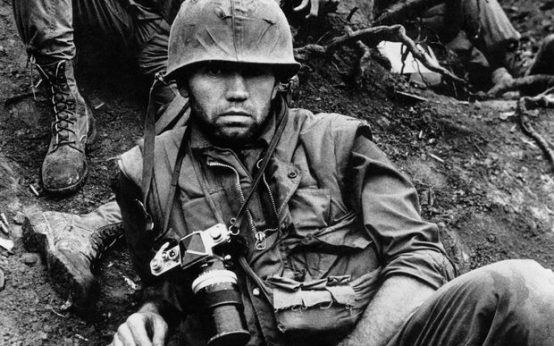 Don McCullin’s Final Book: A Pioneering War Photographer’s Legacy
  Rep. Alexandria Ocasio-Cortez Defends Macklemore Amid Tour Controversy
  Google Fined for Breaching EU Privacy Rules