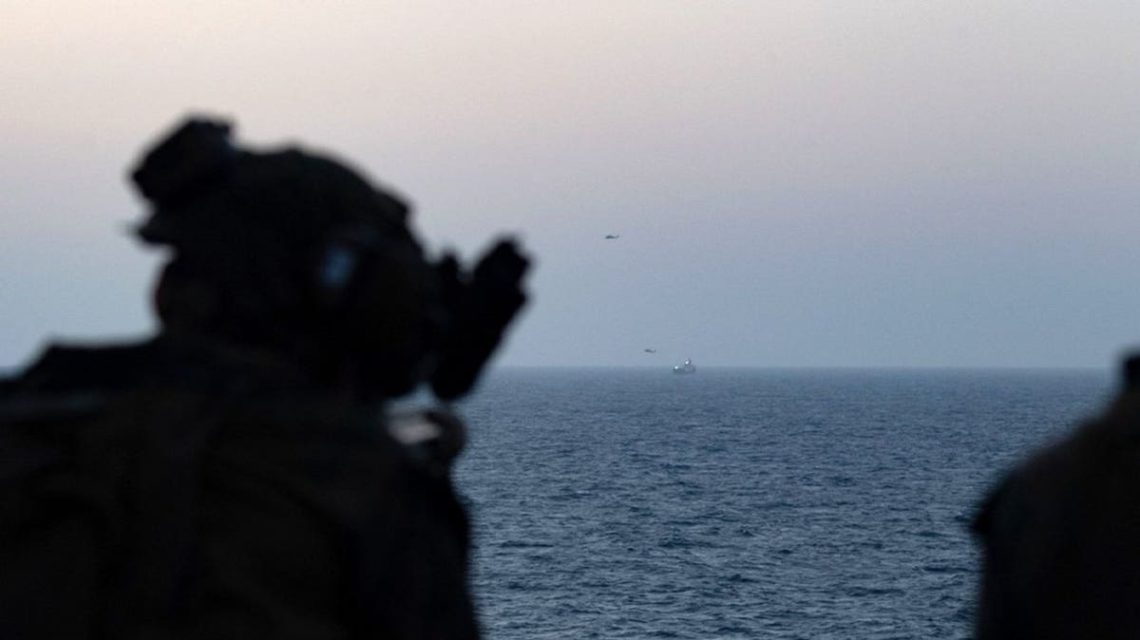
Small Iranian ‘ghost fleet’ tankers are successfully bypassing a U.S. naval blockade, smuggling liquefied petroleum gas (LPG) to China through a covert maritime hub near Malaysia, as revealed by U.S. investigators who have clandestinely filmed one of the vessels in transit this September.
United Against Nuclear Iran (UANI) conducted a detailed investigation, revealing that at least nine similar tankers carrying Iranian oil or LPG have bypassed U.S. sanctions in the Strait of Hormuz since July, when the U.S. reinstated the Iranian port blockade. UANI identified a specific tanker by the name of SOGL, which reportedly eluded the blockade on September 1, carrying approximately 500,000 barrels of Iranian LPG after loading at an Iranian port in August. This vessel traveled thousands of miles to a Malaysian offshore anchorage, where UANI documented the vessel receiving fuel and other services, before proceeding to China to deliver its Iranian cargo.
Iran’s Oil Smuggling Scheme
The U.S. naval blockade has been effective in preventing most Iranian oil and LPG exports, a significant pressure point for Iran’s economy. A key location in this operation is the Malaysian Eastern Outer Port Limits Anchorage (EOPL), approximately 70 kilometers offshore from Malaysia’s coast. This site serves as a vital staging ground for Iranian energy trade with China.
UANI, after monitoring the SOGL tanker before its arrival in Malaysian waters, chartered a supply vessel to investigate firsthand. They detailed the illicit activities of these ghost fleet tankers and Iran-flagged cargo ships at this anchorage.
Since the U.S. blockade’s reinstatement, no Iranian crude oil has successfully departed for export, severely impacting Iran’s revenue. However, opportunistic small tankers continue to breach the blockade, particularly because the U.S. focus remains primarily on large crude oil tankers.
LPG is a flammable mixture of hydrocarbons, primarily composed of propane and butane, used widely across heating, cooking, transportation, and industrial sectors.
The SOGL tanker, identified by IMO number 9208227, was added to the U.S. Treasury Department’s sanctions list on October 8, due to its involvement in transporting Iranian petroleum products since 2025.
Logistical Challenges and Exploits
Ghost fleet tankers commonly employ tactics such as turning off their Automatic Identification System (AIS) transponders and flying false flags, making them challenging to track. These vessels frequently conduct ship-to-ship transfers in high-risk areas and exploit logistical loopholes to evade detection and enforcement.
China is a primary destination for Iranian oil and LPG, serving as a critical economic outlet for Tehran despite U.S. sanctions and the maritime blockade. China’s imports have grown to almost 100% of Iran’s oil and LPG exports, benefiting from highly discounted prices.
UANI captured footage of the SOGL off Malaysia, showcasing bunkering services from smaller tankers, with local authorities seemingly overlooking these activities. This anchorage supports various logistical needs, serving as a key node for Iranian oil trade to China.
The U.S. sanctions aim to impede these maritime activities, ensuring maritime security and maintaining economic pressure on Iran.
 G7 Foreign Ministers Discuss Global Crises Amid U.S. Political Changes
 Feud and Legal Battle in New York Family Dynasty
 Political Shifts and Concerns Post-Midterms
 Death Toll Rises After Krakow Shooting
 Villa Vie Odyssey Faces Legal Challenges After Halting Operations
 Trump Shares AI-Generated Video Featuring UFC Personalities