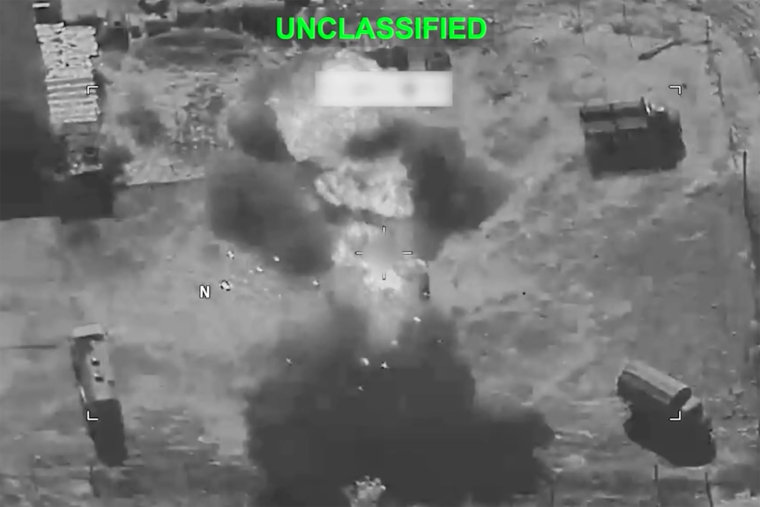
On Thursday, Iran announced plans to retaliate against the United States following a series of strikes carried out by the American military. These strikes served as a response to an attack by Tehran on U.S. forces in the Middle East, bringing an end to a brief period of diplomatic engagement aimed at reducing tensions.
President Donald Trump pledged a firm response to Iran after its assault on a U.S. base in Jordan. The Revolutionary Guard Corps (IRGC) emphasized the conflict’s continuation, declaring, “the aggressor will be punished today” after U.S. military actions.
Reports emerged of escalating military activity in the region. Jordan successfully intercepted an Iranian missile volley, while Kuwait reported an Iranian strike on a Chinese-owned facility, resulting in the death of one worker.
The conflict appears to be widening, involving additional nations and impacting global stability. After Saudi Arabia’s involvement alongside the U.S. in targeting Iran-backed militias, Egypt confirmed a drone attack that caused fires on two natural gas ships at Damietta port. The involvement of Iran in this drone attack would signify a major escalation in the conflict, with potential threats to vital energy supplies being highlighted.
During an Oval Office event on Wednesday, President Trump briefly commented on the situation, implying ongoing military actions with the statement, “it’s a little more of the same.” The president reiterated a commitment to strong measures against Iran following a strike on American forces.
Trump expressed a willingness to respond aggressively to Iran’s actions, according to reports from Fox News.
In a social media post, the U.S. Central Command (CENTCOM) detailed its extensive strikes targeting the Revolutionary Guard Corps. These operations involved military command centers, missile and drone facilities, coastal surveillance sites, and maritime capabilities across Iran.
The Strait of Hormuz, a strategic maritime route, has become central to the conflict. Prior to the war, approximately 20% of the world’s oil passed through this key waterway. Recent hostilities have disrupted shipping lanes, complicating efforts to resolve the conflict peacefully.
Despite initial optimism following a temporary agreement between the conflicting parties, the recent escalation has led to increased oil prices. Brent crude oil prices surged to around $90 a barrel as of Thursday morning.
MarineTraffic data shows transit activity in the region:
- A Qatar-managed LNG tanker, Al Areesh, successfully navigated the Strait of Hormuz into the Gulf of Oman, reportedly with Iranian authorization.
- Four other ships, including two Emirati-managed tankers, operated through Iranian-controlled routes on Thursday.
- In the past 24 hours, approximately 59 tankers or cargo ships traversed Bab el-Mandeb.
 U.S. Strategic Goals Remain Unmet Amid Prolonged Conflict
  New Photos Reveal Damage from Iranian Strikes in the Middle East
  Assassin of Chilean Diplomat Orlando Letelier Faces Deportation 50 Years After Assassination
  Gorillaz and Macklemore Respond to Controversy Over Israel-Palestine Statements
 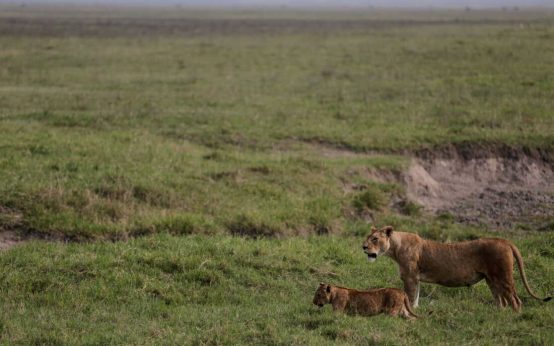 Investigation into Lion Deaths in Tanzania
 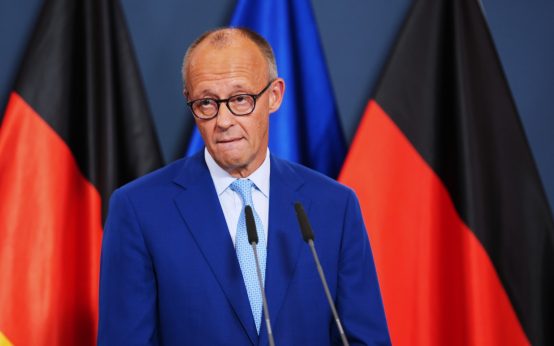 Merz Stays Resolute Amid Electoral Shifts in Germany