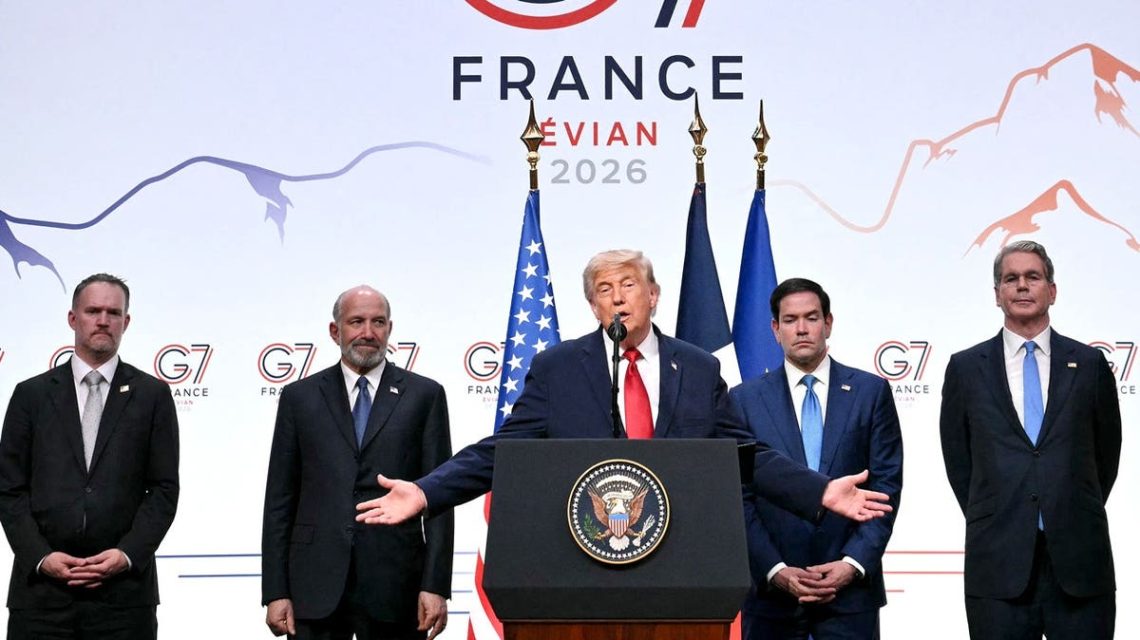
Lisa Daftari, editor-in-chief of ‘The Foreign Desk’, discussed on ‘Fox News Live’ the urgent issue of Iran’s uranium enrichment following the reopening of the Strait of Hormuz. She expressed concerns about Iran’s potential retaliatory actions and emphasized the need for sustained pressure on the regime.
The memorandum of understanding (MOU) from the Trump administration with Iran is a temporary framework lacking finality. It holds significant importance for shaping either a positive or negative legacy. The MOU is crucial as it will determine if Iran’s nuclear capabilities will be definitively dismantled and its uranium stockpile removed. Anything less might mirror the 2015 Joint Comprehensive Plan of Action (JCPOA), reducing America’s leverage in the matter.
President Trump prioritizes nonproliferation, viewing the Islamic Republic at its weakest since 1979. Maximum pressure had been effective, driving Iran to negotiate. However, this leverage is at risk.
Ensuring Compliance and Consequences
The complexities of reaching a sustainable agreement with Iran are clear. Any final deal should focus on dismantling nuclear capabilities, introducing phased sanctions relief, and maintaining the ability to impose renewed sanctions swiftly if compliance fails. A repeat of JCPOA’s strategy, offering monetary relief first, is inadvisable.
The JCPOA had significant flaws. A substantial cash influx benefited groups like the IRGC and Hezbollah rather than civilians, while the sunset clauses offered temporary restrictions. The agreement only delayed, rather than prevented, nuclear advancement.
Permanent Restrictions and Clear Threats
A successful agreement must impose lasting restrictions and involve stringent verification procedures. Iran’s enrichment potential must be eradicated. Additionally, there needs to be an explicit penalty for noncompliance, a factor often overlooked in U.S. discussions but crucial for Iran.
Iran should understand that breaking the agreement will incur immediate and significant repercussions, including military and economic responses. The MOU should focus solely on nonproliferation and not attempt broader regional diplomacy, an error of the JCPOA.
Considering Iranian Citizens
Agreement discussions also factor in the Iranian public, who have suffered severe repression. The regime has shown a pattern of severe human rights violations, including the execution of thousands during recent protests.
The U.S. administration must ensure that any new agreement leverages past success, focusing on effective, lasting dismantlement, compliance-based sanctions relief, and a mechanism for swift penalization of noncompliance.
Lisa Daftari emphasizes the importance of not accepting a suboptimal deal, advocating for an agreement that effectively removes nuclear threats.
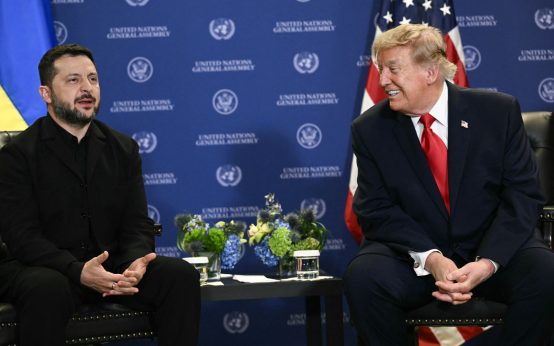 Trump’s Engagements at the UN: Focus on Ukraine and White House Developments
  Trump Administration to Admit 17,500 Afrikaner Refugees from South Africa
 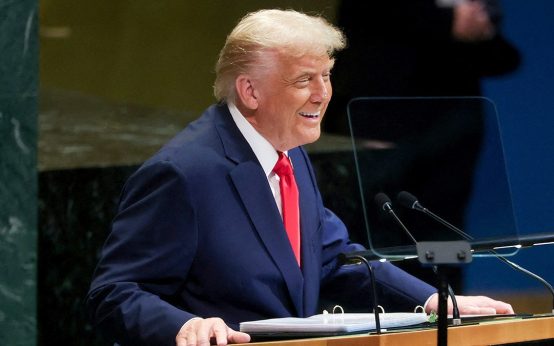 Trump’s Vision for Global Security: Iran, AI, and the Role of the U.S.
  Concerns Raised Over Canadian Assisted-Dying Program
 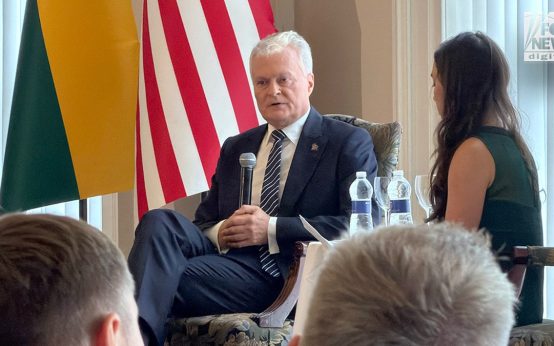 Lithuanian President Urges U.S. to Maintain Military Presence Amid NATO Challenges
  Italian PM Giorgia Meloni Skips UN General Assembly Amid U.S. Tensions