
Last week, the Midwest and Northeast regions of the United States experienced some of the worst air quality globally. This was due to wildfire smoke enveloping cities from Minneapolis to New York City, creating an eerie, smoke-filled landscape. More than 100 million Americans faced air-quality alerts, with the smoke extending as far as Washington, D.C., by the weekend.
The widespread air quality issues highlight a significant problem. Canada and the U.S. are not doing enough to manage vegetation and prevent wildfires. Fuel management, such as controlled burns and vegetation thinning, is crucial to reduce the risk of large-scale fires.
The impact of wildfire smoke does not remain local. When smoke travels across regions, it affects the health and safety of millions of people. This summer’s conditions demonstrate the importance of proactive fuel treatment strategies to mitigate future wildfires and enhance urban safety.
Policy and urban planning need to address this growing issue. Governments should prioritize investment in fuel management to protect both the environment and public health. Without such measures, air-quality problems will likely persist or worsen, affecting expansive areas across North America.
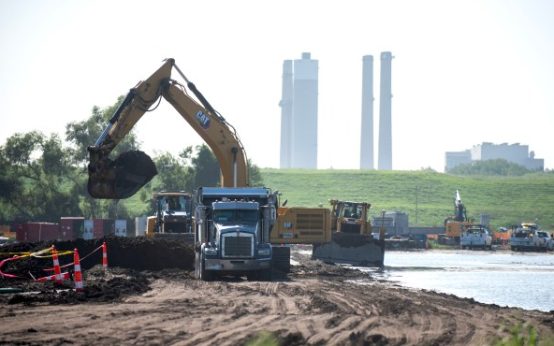 EPA Dismantles Greenhouse Gas Rules, Causing Concern
 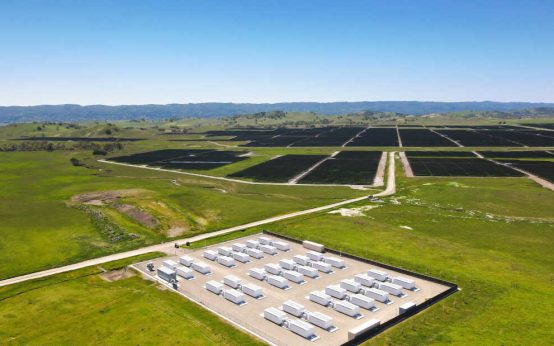 How Battery Innovations Transform Renewable Energy
  Data Centers Stir Controversy in Texas Amid Growth Boom
 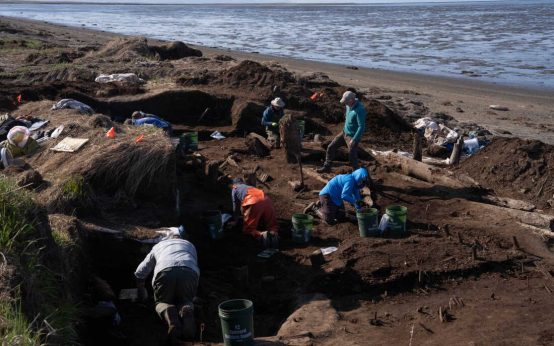 Urgent Archaeological Efforts in Quinhagak Stay Ahead of Erosion
 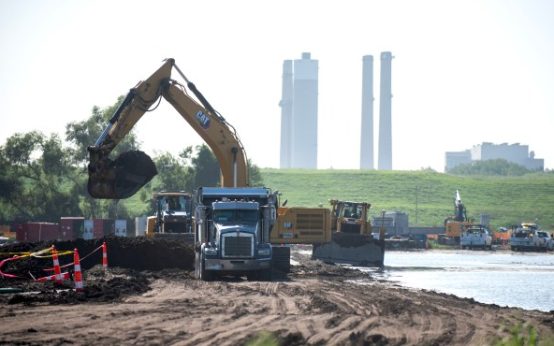 Concerns Rise Over NIPSCO Permit In Jasper County
  Reader Reactions on Grizzlies and Data Centers