
Over the past 250 years, select U.S. presidents have significantly shaped the nation’s trajectory through their speeches. These key addresses remain woven into the fabric of American culture, from public monuments to television shows. Here are six prominent speeches that have left a lasting impact.
George Washington’s Farewell Address — Sept. 19, 1796
George Washington, the first U.S. president, established the tradition of a presidential farewell address. Rather than speaking publicly, he circulated it through the press. Washington set a precedent by serving only two terms, writing, “The increasing weight of years admonishes me more and more that the shade of retirement is as necessary.” He warned against the dangers of factionalism, saying it sparks “ill-founded jealousies and false alarms.” The Senate began annually reading his address in 1893.
Monroe Doctrine — Dec. 2, 1823
President James Monroe’s policy marked U.S. opposition to European intervention in the Western Hemisphere. As South America fought for independence, the U.S. remained neutral until 1821, after acquiring Florida. Monroe warned Congress in 1823 about European threats, laying the groundwork for the doctrine. Presidents have since referenced it, including John F. Kennedy during the Cuban Missile Crisis.
Gettysburg Address — Nov. 19, 1863
During a dedication ceremony at Soldiers’ National Cemetery, President Abraham Lincoln honored the Union soldiers who died in the Battle of Gettysburg. With more than 51,000 casualties, Lincoln urged Americans to continue the fight “that government of the people, by the people, for the people, shall not perish.” The address remains iconic, engraved at the Lincoln Memorial.
FDR’s First Inaugural Address — March 4, 1933
Facing the Great Depression, Franklin D. Roosevelt aimed for honesty in his inaugural address. He declared, “the only thing we have to fear is fear itself.” Roosevelt outlined his New Deal recovery plan, emphasizing that it would involve expanded executive powers. His policies were popular, leading to an unprecedented four-term presidency.
LBJ’s “American Promise” Speech — March 15, 1965
Following the brutal events of Bloody Sunday, President Lyndon B. Johnson urged Congress to pass the Voting Rights Act. He addressed racial injustice, proclaiming, “we shall overcome.” Johnson signed the historic Voting Rights Act into law five months later.
Nixon’s Resignation Speech — Aug. 8, 1974
Amid the Watergate scandal, President Richard Nixon chose resignation over impeachment. In a televised address, he stated, “I must put the interests of America first.” Vice President Gerald Ford succeeded him, famously saying, “Our long national nightmare is over.” Nixon remains the only president to resign.
These speeches exemplify the enduring significance of presidential leadership in guiding and uniting the nation through critical moments in history.
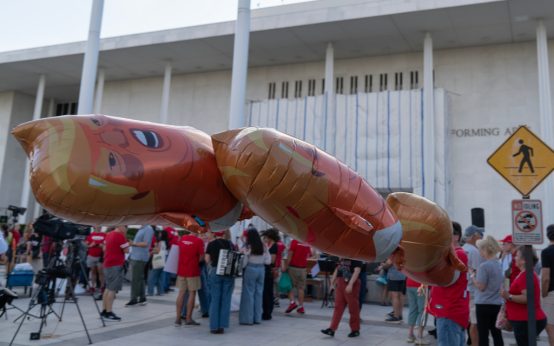 Trump Administration Sparks Outrage by Threatening Kennedy Center Closure
 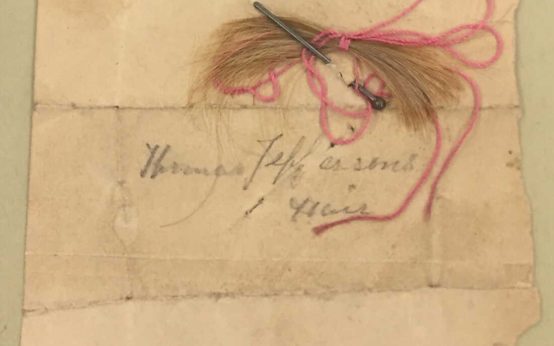 DNA Investigation Confirms Thomas Jefferson’s Lineage
 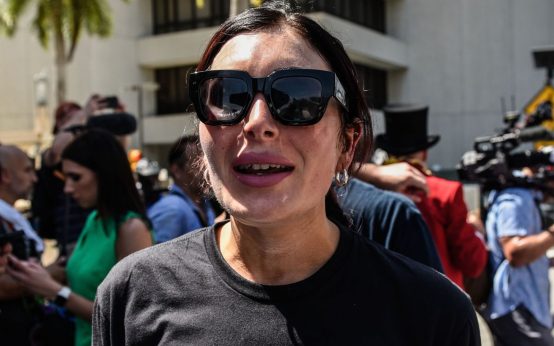 Laura Loomer’s Predictions and Poll Insights on Midterm Elections
  Voter Sentiment Against President Rises in Recent Poll
  Media Backlash Against Trump’s Press Exclusions
  U.S. Considers Belarus for Potash Purchases to Cut Fertilizer Costs