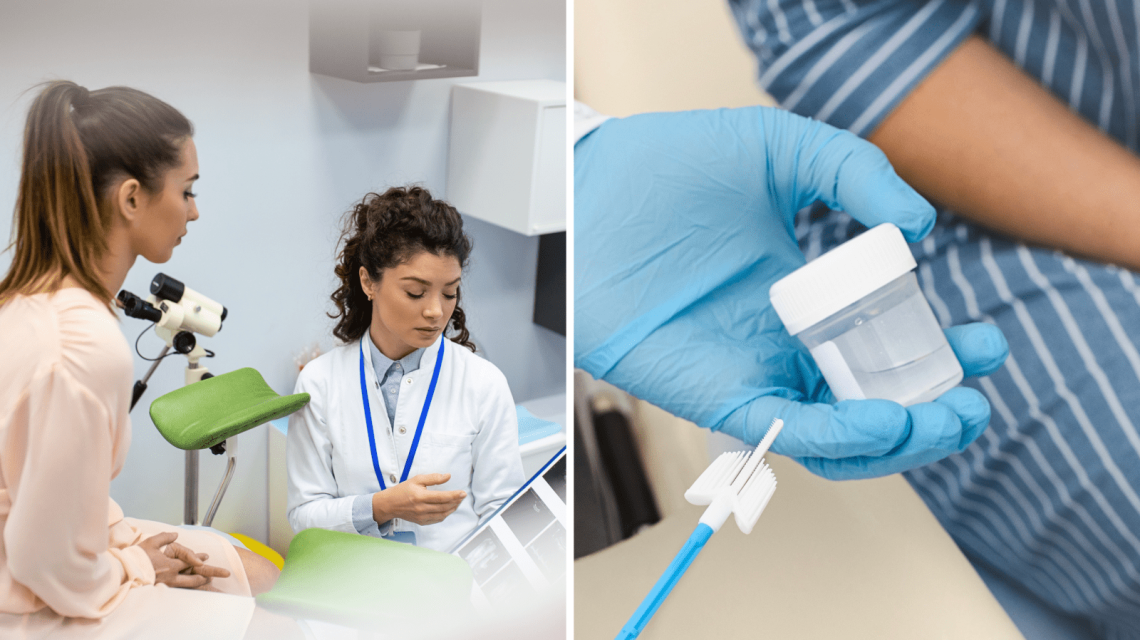
Recent research has revealed that nearly 33% of young American women have never been screened for cervical cancer. The study, published in JAMA Network Open, highlights the doubling of these numbers over the past two decades. Cervical cancer screening is essential for prevention, yet the number of unscreened women aged 21 to 29 rose from 12.5% in 2005 to 31.9% in 2023. This translates to an increase from 3.5 million to 6.2 million women, with the most significant rise occurring after 2010.
When Should You Get Screened for Cervical Cancer?
Various leading medical organizations recommend HPV-based screening methods, as persistent HPV infection is the primary cause of cervical cancer.
U.S. Preventive Services Task Force (USPSTF)
- Under 21: No routine screening.
- Ages 21-29: Pap test (cervical cytology) every 3 years.
- Ages 30-65: Choose one: Pap test every 3 years, Primary HPV test every 5 years, or HPV/Pap co-testing every 5 years.
- Over 65: Generally, screening can stop for individuals with adequate prior screening and no high-risk history.
American Cancer Society (ACS)
- Begin screening at age 25 instead of 21.
- Ages 25-65: Preferred option is primary HPV testing every 5 years, with alternatives including HPV/Pap co-testing every 5 years or Pap test alone every 3 years. Stop at 65 if past screening results are normal and the individual is not high risk.
Older Women Also Falling Behind
It’s not only the younger women at risk; those aged 30 to 65 also show a rise in unscreened numbers, climbing from 5.3% to 14.8% between 2005 and 2023. This increase means the number of unscreened older women rose from approximately 4.3 million to 9.2 million. Given their higher cervical cancer risk during these years, these findings are troubling. Unscreened older women may face advanced stages of disease without symptom detection or diagnosis.
The study utilized data from nine cycles of the National Health Interview Survey conducted from 2005 to 2023, alongside U.S. Cancer Statistics tracking cervical cancer incidence by age and stage from 2001 to 2023.
Additionally, the study noted low HPV vaccination rates among younger women, exacerbating risks due to missed screenings. While vaccination among women aged 21 to 29 increased from 5.7% in 2008 to 54.0% in 2019, 45.5% remain unvaccinated, a group totaling nearly 8 million women.
Researchers noted the overlap between the unscreened and unvaccinated groups, leaving these women without either preventive measure.
The study also observed that cervical cancer diagnosed at regional and distant stages, indicating cancer spread, grew by over 2% annually after 2017 among women aged 30 to 65. The researchers stress that while their data cannot prove a direct causation between screenings and this rise, it signals serious concerns.
Disparities by Race, Insurance, and Region
Disparities in screening occur among minoritized racial groups, uninsured individuals, and Southern state residents. These groups, already seeing higher rates of late-stage cervical cancer diagnosis and death, may have worsened inequities due to screening gaps.
The researchers acknowledged limitations in their study, including potential recall bias from self-reported screening data, and absence of HPV status information in health surveys and cancer registries. Their goal wasn’t to establish direct causation between screening gaps and rising cancer rates but to draw attention to a concerning trend requiring further exploration.
Cervical cancer prevention relies heavily on regular screening and vaccination. Addressing screening access, especially among young and vulnerable demographics, is a main public health focus for the study’s research team.
 Federal Relief Funds Used for Anti-Racism Training in Albuquerque Schools
  Florida Man Claims ‘Lion Diet’ Transformed Health and Life
  Concerns Over Food Safety and Its Impact on Families
  A Mother’s Tragic Journey Under Abortion Ban
  Medical Diagnosis Errors: Understanding the Crisis
  Lymphatic Drainage and Ice Sculpting: Emerging Wellness Trends