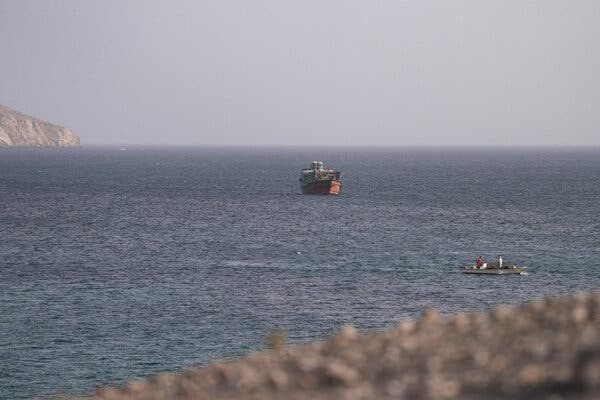
The U.S. naval blockade of Iran significantly reduced shipping traffic through the Strait of Hormuz on its first full day. Only 13 ships navigated the crucial waterway on Wednesday, marking a decrease from 21 ships the previous day, reported by maritime data firm Kpler.
The majority of vessels traversed Iranian waters, utilizing the route specified by Tehran. However, the U.S. blockade aims to undermine Iran’s influence over the strait and limit its ability to generate revenue from oil exports. On Wednesday, U.S. Central Command reported intercepting two ships attempting to breach the blockade.
Among the ships passing through on Wednesday, five faced sanctions, according to Kpler. Certain vessels operate with disabled tracking devices, which complicates monitoring and leaves their exact routes uncertain. This tactic also obscures final destinations after leaving the strait.
The reduction in shipping activity coincides with ongoing conflicts between Iran and the United States over control of the strait. This vital channel for oil and gas shipments has witnessed six consecutive days of tension. The blockade adds to the risks for shippers navigating oil imports and exports in the area. Prior to hostilities, the strait saw an average of over 130 ships daily.
 The Cost of Challenging Beijing
  Tensions Escalate in Iran Conflict as Global Leaders Weigh Options
  White House Approves F-35 Sales to Saudi Arabia Amidst Regional Tensions
  Inside the Secret Deals Powering the President’s Push to Deport Migrants to Countries Not Their Own
  Navigating the Challenges of Third-Country Deportations
  Midair Altercation on Bangladesh to London Flight